
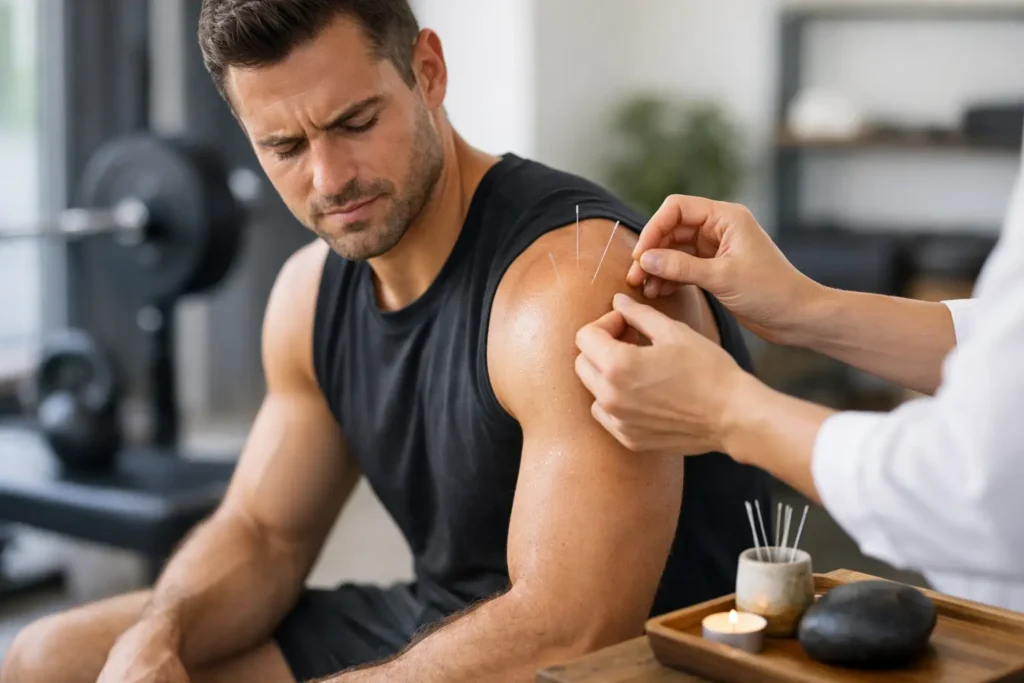
A gym injury can change quickly from a manageable ache into something that affects work, sleep, and confidence in movement. Acupuncture for gym injuries may be considered when pain, tightness, or limited mobility is slowing recovery, particularly when it is part of a personalized plan led by a licensed TCM physician.
The goal is not to push through pain or simply cover it up. A careful treatment approach looks at how the injury happened, which movements aggravate it, how your body is compensating, and whether you need medical assessment before hands-on care begins. For active adults in Singapore, this can make the difference between returning to training thoughtfully and repeating the same injury cycle.
When acupuncture may be appropriate for gym injuries
Gym-related pain does not always come from one dramatic incident. It can develop after a heavier-than-usual lifting session, a rushed warm-up, repeated running, poor recovery between workouts, or a gradual increase in training volume. Common concerns include muscle strains, tendon irritation, neck and shoulder tension, lower-back discomfort, knee pain, hip tightness, and delayed muscle soreness that does not settle as expected.
Acupuncture may be used as an adjunctive treatment for musculoskeletal discomfort and movement restriction. Fine, sterile needles are inserted at selected points based on the location of pain, muscle tension, movement patterns, and the TCM physician’s assessment. Some patients notice a sense of relaxation during treatment, while others experience gradual changes over a course of care.
It is not the right first step for every injury. A suspected fracture, joint dislocation, complete tendon rupture, severe ligament injury, or infection requires prompt conventional medical evaluation. Acupuncture should support appropriate recovery, not delay a necessary diagnosis.
A proper assessment comes before treatment
A sore shoulder after overhead presses may be linked to training load, but it may also involve the neck, upper back, rotator cuff, or a long-standing mobility restriction. Similarly, knee discomfort during squats may be influenced by hip control, ankle mobility, technique, or a previous injury. Treating only the painful spot can miss the wider pattern.
At a clinical consultation, a licensed TCM physician should ask about the onset of symptoms, the exercise involved, pain quality, previous injuries, medications, and your health history. They may also observe movement, feel for areas of tightness or tenderness, and assess which positions reproduce your symptoms.
From a TCM perspective, injury may be understood in terms of disrupted circulation and imbalance affecting the muscles, tendons, and meridians. This traditional framework is considered alongside practical clinical questions: Is there swelling? Is the area warm or bruised? Can you bear weight? Is your range of motion improving or worsening? These details help determine whether acupuncture, TCM Tuina therapeutic massage, Bojin therapy, gentle movement guidance, or referral for further evaluation is most appropriate.
How acupuncture can fit into a recovery plan
Acupuncture is usually most helpful when it is one part of a plan rather than a stand-alone answer. In the early stage of a mild strain, care may focus on settling pain and guarding while avoiding aggressive manipulation of an acutely inflamed area. As discomfort improves, treatment may shift toward reducing residual tightness, restoring comfortable movement, and addressing areas that are overworking to compensate.
For example, a recreational runner with calf tightness may also have foot stiffness and hip tension. A person with recurring upper-back pain after strength training may have limited thoracic mobility and persistent chest tightness from desk work. The treatment plan should reflect these real-life factors, not just the name of the injury.
Depending on your needs and stage of recovery, a physician may recommend acupuncture alongside carefully selected TCM Tuina techniques or myofascial-focused work. These treatments should be adapted to your pain tolerance, training demands, and current tissue sensitivity. More intensity is not always better, especially after a fresh injury.
Recovery also depends on what happens between appointments. Temporary modifications to training may be necessary. This might mean reducing load, avoiding the movement that triggers sharp pain, improving sleep, maintaining gentle activity within a comfortable range, and returning to exercise progressively. Complete rest is sometimes needed briefly, but prolonged inactivity can also lead to stiffness and loss of confidence. The right balance depends on the injury and your medical history.
What to expect at an acupuncture appointment
Many first-time patients worry that acupuncture will be painful. The needles used are very fine, and sensations vary. You may feel a brief pinch, heaviness, warmth, tingling, or a dull ache around a point. Tell your physician if a sensation is sharp, uncomfortable, or causes concern. Treatment should be communicated clearly and adjusted respectfully.
At Y TCM Clinic, care begins with a thorough assessment and treatment is provided in a calm, hygienic clinical setting. Licensed TCM physicians explain the recommended approach so you understand what is being treated and why. That is particularly valuable for gym injuries, where the timeline for recovery can depend on training habits, the severity of tissue irritation, and whether an underlying issue is present.
After treatment, some people feel looser or more comfortable immediately; others notice changes over the following day or two. Mild temporary soreness, small bruising, or fatigue can occur. Avoid planning a maximal lifting session immediately afterward. Give your body time to respond, stay hydrated, and follow the aftercare guidance given during your consultation.
When gym pain needs medical attention first
Do not assume every workout-related symptom is a simple strain. Seek prompt medical care if pain follows a significant fall, collision, or sudden force, or if you have any of the following:
- A visible deformity, severe swelling, or inability to use the limb normally
- A popping sensation followed by marked weakness, instability, or loss of function
- Numbness, persistent tingling, new weakness, or pain that travels down an arm or leg
- Fever, unexplained redness or heat, chest pain, dizziness, or shortness of breath
- Severe back pain with changes in bladder or bowel control
These symptoms may require imaging, emergency assessment, or care from a medical specialist. If you have a bleeding disorder, take blood-thinning medication, are pregnant, have a pacemaker or implanted electrical device, or have a significant medical condition, share this before treatment. Your physician can advise whether acupuncture is suitable and what precautions are needed.
Avoid the return-to-gym rush
The most frustrating gym injuries are often the ones that keep returning. Pain settles, training resumes at the previous intensity, and the same area flares up again within days. A better return is gradual and based on function, not just the absence of pain at rest.
Before returning to demanding training, you should generally be able to move the affected area with good control, tolerate daily activities comfortably, and perform lighter versions of the exercise without sharp pain or increasing symptoms afterward. A squat, deadlift, pull-up, or run does not need to be avoided forever, but it may need to be rebuilt with lower load, fewer repetitions, or improved technique.
Acupuncture may support comfort during this process, but it cannot replace sensible load management or rehabilitation when rehabilitation is required. Clear communication helps. Tell your TCM physician about upcoming races, classes, lifting goals, and the movements you are reluctant to give up. A personalized plan should respect your goals while protecting your long-term wellbeing.
If gym pain is lingering, recurring, or making you change how you move, an early consultation can provide clarity. A careful assessment gives you a more useful next step than guessing whether to train through it, rest indefinitely, or try another quick fix.