A tight shoulder that returns after every long workday, a calf that never quite relaxes after training, or a feeling of heaviness through the back can be frustrating when stretching alone does not help. Bojin therapy is a hands-on Traditional Chinese Medicine treatment that may be used to address areas of muscle tension, restricted movement, and recurring body discomfort as part of an individualized care plan.
At Y TCM Clinic, treatment begins with listening to what your body has been dealing with, not simply working on the area that hurts. A licensed TCM physician or experienced therapist considers your symptoms, daily routines, activity level, health history, and comfort before recommending an approach. Bojin may be used on its own or alongside therapies such as Tuina, acupuncture, or other meridian-based treatments, depending on your needs.
What Is Bojin Therapy?
Bojin therapy is a manual technique rooted in Traditional Chinese Medicine principles. It typically uses a smooth, handheld tool to apply controlled pressure and gliding strokes along selected muscles, soft tissues, and meridian pathways. The tool may be made from materials such as buffalo horn, jade, stone, or a modern clinical-grade alternative, depending on the practitioner and treatment approach.
Unlike a relaxation massage, Bojin treatment is more targeted. The practitioner works methodically through areas that feel tight, tender, or restricted, aiming to release superficial and deeper soft-tissue tension while supporting circulation and movement. Pressure is adjusted throughout the session. Some people prefer a firmer treatment, while others need a lighter, more gradual approach, especially if they are new to hands-on TCM care.
In TCM, discomfort is often considered in relation to the flow of qi and blood through the meridians. A Bojin session may therefore address connected areas rather than focusing only on the exact point of pain. For example, persistent neck tightness may be assessed alongside the shoulders, upper back, posture, and arm use. This broader perspective is one reason a proper assessment matters.
What Bojin Therapy May Help With
Bojin therapy is commonly considered by people who experience muscle tightness, stiffness, fatigue, or discomfort related to work, exercise, or repetitive movement. Office professionals may seek care for tension around the neck, shoulders, back, hips, and forearms. Active adults may use it as supportive care during recovery from training-related soreness or minor overuse strain.
It may also be included in a wider TCM plan for people who feel physically run-down, heavy, or tense from sustained stress. The goal is not to promise a single result from one session. Response varies according to the cause, duration, and severity of symptoms, as well as sleep, stress, training load, and everyday posture.
For ongoing pain, a clinician should first consider whether there are signs that require medical evaluation. Sudden severe pain, significant swelling, numbness, weakness, fever, unexplained weight loss, chest pain, or symptoms after a serious injury should not be managed with bodywork alone. In these situations, prompt medical assessment is the appropriate first step.
What Happens During a Bojin Therapy Session?
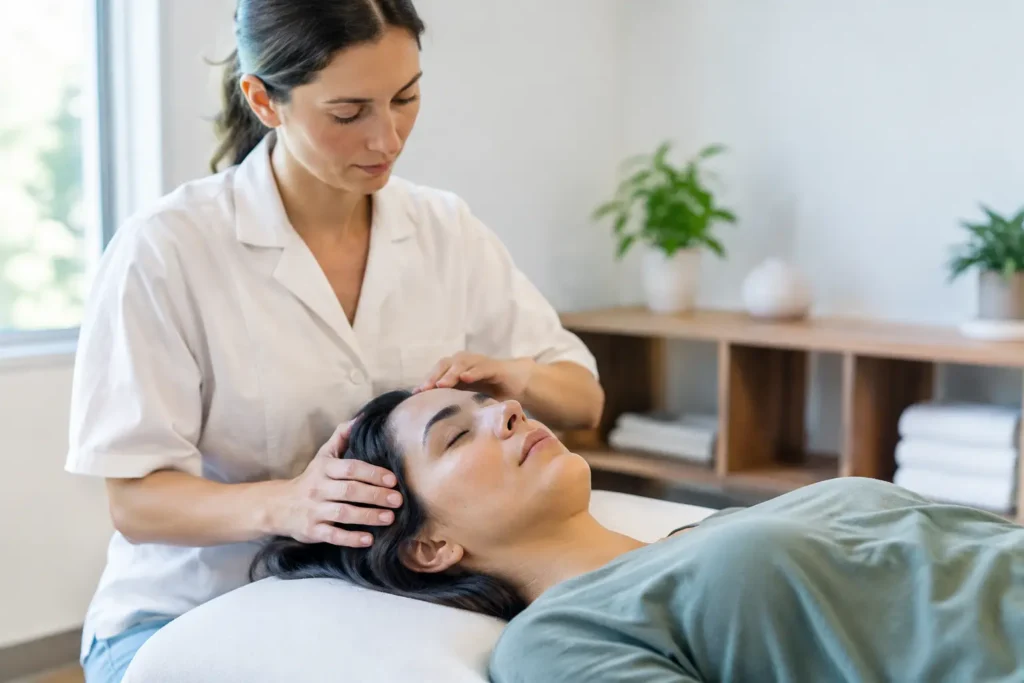
A well-conducted session should not feel rushed. Your practitioner will ask where you are uncomfortable, when symptoms began, what makes them better or worse, and whether you have had relevant injuries, procedures, or medical conditions. They may also observe posture, movement, and areas of muscular guarding before deciding whether Bojin is suitable that day.
The treatment area is positioned comfortably and professionally draped as needed. A small amount of oil or balm may be applied to reduce friction. The practitioner then uses the Bojin tool with slow, deliberate strokes, following the tissues and selected pathways rather than scraping aggressively. You may feel pressure, warmth, tenderness, or a pulling sensation in particularly tight areas.
Mild temporary redness can occur, particularly when treatment is firmer or the tissues are congested. This is not a measure of how effective the session was, and more pressure is not automatically better. Your feedback matters throughout treatment. If the sensation becomes sharp, burning, or more intense than you can comfortably tolerate, tell the practitioner immediately so the technique can be adjusted.
Afterward, many patients describe feeling looser, warmer, or more aware of how they have been holding tension. Others may feel tender for a day or two, similar to the feeling after deeper therapeutic massage or unfamiliar exercise. This can be normal, but symptoms should be monitored. Persistent or worsening pain should be discussed with your practitioner or medical provider.
Bojin Therapy and Other TCM Treatments
Bojin works best when it is selected for a clear reason rather than added automatically to every appointment. If your main concern is muscular tightness with restricted movement, hands-on therapy may be a useful starting point. If pain is associated with a sports injury, your care plan may also include movement guidance, rest recommendations, acupuncture, or targeted Tuina techniques.
Acupuncture and Bojin are different treatments, although they may complement one another. Acupuncture uses fine, sterile needles at selected points, while Bojin uses external pressure and gliding work on the skin and soft tissues. Some patients prefer one method; others benefit from a combination. The right approach depends on your comfort level, condition, and treatment goals.
Chinese herbal medicine may also be considered after an individual consultation when appropriate. It should not be treated as a generic add-on. A licensed TCM physician can advise whether herbs are suitable and review factors such as existing medications, allergies, pregnancy, and other health considerations.
Safety Considerations Before Bojin Therapy
Bojin therapy should be adapted or postponed in certain circumstances. Always share a complete health history, including prescribed medications and supplements. This helps the practitioner make careful decisions about pressure, treatment areas, and whether another form of care is more suitable.
Extra caution is needed if you are pregnant, have a bleeding disorder, take blood-thinning medication, have fragile skin, reduced sensation, uncontrolled diabetes, active inflammation, varicose veins in the treatment area, or a history of blood clots. Bojin should generally not be performed over open wounds, rashes, infections, recent surgical sites, fractures, or areas of unexplained swelling.
People sometimes assume that traditional treatment is automatically gentle or appropriate for everyone. The reality is more nuanced. Bojin can be a comfortable, useful therapy when applied thoughtfully, but it is still a physical treatment. Proper screening, hygienic practices, clean equipment, and skilled pressure are essential.
Research on Bojin as a distinct treatment is still limited, and experiences vary. It should be viewed as complementary care, not a replacement for diagnosis or treatment of medical conditions. A clinician who communicates clearly about expected benefits and limitations helps you make an informed choice.
How to Prepare and Care for Yourself Afterward
Wear clothing that allows access to the treatment area or can be adjusted comfortably. Have a light meal beforehand rather than arriving very hungry or immediately after a heavy meal. If you have a recent scan, diagnosis, injury report, or list of medications, bring that information to your consultation.
After treatment, drink water, avoid unusually strenuous exercise if the area feels tender, and pay attention to how your body responds over the next 24 to 48 hours. Gentle walking and normal movement are often more helpful than remaining completely still. If your practitioner recommends simple stretches, posture changes, or activity modifications, these can help support the benefits of hands-on care between visits.
A single session may provide short-term relief for some people, but recurrent tension usually has contributing factors. Workstation setup, sleep position, training habits, stress, and old injuries can all shape the pattern. A personalized plan may include several sessions spaced according to your response, with adjustments as symptoms change.
The most useful treatment is one that respects both your immediate comfort and the bigger pattern behind it. If persistent tension or movement restriction is affecting your work, exercise, or rest, a careful consultation can help determine whether Bojin therapy has a place in your recovery plan.