
A search for acupuncture and chinese herbal medicine near me often begins with a practical need: a tight neck that keeps returning, a sports injury that has not settled, poor sleep during a demanding period, or a wish for more support with ongoing wellbeing. The next step is not simply choosing the closest clinic. It is finding care that is properly assessed, clearly explained, and suited to your health needs.
For patients in Bukit Timah, Sixth Avenue, and nearby neighborhoods, Traditional Chinese Medicine can be a thoughtful complement to modern healthcare. Acupuncture and Chinese herbal medicine are different treatments, and they are not automatically used together. A licensed TCM physician should first understand your symptoms, health history, current medications, and treatment goals before recommending a plan.
What to Look for in Acupuncture and Chinese Herbal Medicine Near Me
Convenience matters, especially when treatment may involve follow-up sessions. Yet a nearby clinic should also offer clinical standards that help you feel comfortable returning. Look for licensed TCM physicians, a clean and professional treatment setting, and enough consultation time to discuss what is bothering you rather than moving immediately into treatment.
A careful first appointment should cover the location, pattern, and duration of your discomfort, as well as sleep, appetite, energy, activity level, previous injuries, and relevant medical history. In TCM, this assessment may also include observation of the tongue and pulse. These traditional methods are considered alongside the information you share, not as a substitute for an honest clinical conversation.
Clear communication is equally important. You should understand why a treatment is being suggested, what sensations or changes may occur, how many sessions may be reasonable to try, and when to seek care from a medical doctor instead. Responsible TCM care does not promise a cure or imply that every concern can be managed with the same approach.
How Acupuncture May Fit Into Your Care
Acupuncture involves inserting very fine, sterile, single-use needles at selected points on the body. People often seek it for muscle tension, neck and back discomfort, recurring stiffness, headaches, sports-related strain, stress-related tension, and support for general body balance. Your physician may also consider it within a broader care plan for women’s wellness, digestive discomfort, fatigue, or sleep concerns, depending on your individual presentation.
The experience is usually quieter and gentler than many first-time patients expect. You may feel a brief pinch as a needle is placed, followed by a dull, warm, heavy, or spreading sensation. Some people feel deeply relaxed during treatment. Others notice little sensation at all. Neither response automatically determines whether the session is appropriate.
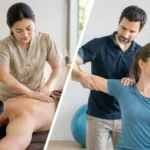
Treatment frequency depends on the concern. A recent muscle strain may require a different schedule from a longstanding pattern of shoulder tension or recurring lower-back discomfort. Progress is rarely perfectly linear. Your physician may adjust the point selection, recommend rest or movement changes, or suggest supportive therapies such as TCM Tuina therapeutic massage, Bojin therapy, or myofascial recovery work when appropriate.
Acupuncture is generally well tolerated when performed by a qualified practitioner using proper hygiene and sterile needles. Still, tell your physician if you are pregnant, have a bleeding disorder, use blood-thinning medication, have a pacemaker, or are prone to fainting. You should also share any new or worsening symptoms before each session.
What Chinese Herbal Medicine Involves
Chinese herbal medicine uses carefully selected plant, mineral, and other traditional substances in formulas designed around a patient’s TCM presentation. It is not the same as picking a single herb from a shelf because it is popular online. A formula may be modified over time as symptoms, digestion, sleep, energy, or other relevant patterns change.
Herbal medicine can be considered for a range of concerns, including internal balance, digestive support, fatigue, stress-related symptoms, women’s wellness, and recovery needs. Whether it is suitable depends on your full health picture. For some patients, acupuncture or hands-on therapy may be the more appropriate starting point. For others, herbal medicine may be used alongside treatment when a licensed physician believes it is suitable.
Safety begins with disclosure. Bring a current list of prescription medicines, over-the-counter products, vitamins, supplements, and herbs you already use. This is especially important if you take medication for blood pressure, blood sugar, blood thinning, seizures, mood, immune conditions, or chronic disease. Do not stop prescribed medication or replace medical treatment with herbal medicine without speaking to the relevant doctor.
You should also ask how to take the formula, what to do if you miss a dose, and which changes should prompt a call to the clinic. A good treatment plan leaves room for questions and makes follow-up feel straightforward.
Why Personalized Formulas Matter
Two people can describe the same symptom and still receive different TCM recommendations. One person’s recurring headaches may occur after long hours at a desk and coincide with shoulder tension. Another’s may come with poor sleep, irregular meals, or a different medical history. Personalized care recognizes these differences instead of treating a symptom label as the entire story.
That does not mean every concern requires a complicated protocol. Sometimes the most useful plan is a focused course of acupuncture, practical advice on recovery, and reassessment. The right amount of care is the amount that fits your condition, response, schedule, and safety needs.
Questions Worth Asking at Your First Visit
Before booking, or during your consultation, it is reasonable to ask whether the practitioner is licensed, what the assessment will involve, and whether they commonly work with concerns similar to yours. You can also ask how treatment recommendations are made and what hygiene measures are used for acupuncture.
If herbal medicine is recommended, ask why it may help in your case, whether it could interact with your medicines, and how progress will be reviewed. If you are seeking care for an injury, ask whether hands-on treatment, exercise modification, or medical imaging may be appropriate. These questions are not a challenge to the practitioner. They are part of informed, collaborative care.
It is also helpful to be realistic about timelines. Some people feel a change in comfort or relaxation after an early session; others need a series of treatments before they can judge whether the approach is helping. A credible physician will avoid guarantees and will reassess if your symptoms are not improving as expected.
When TCM Should Be Part of a Wider Care Plan
Traditional Chinese Medicine can work alongside conventional care, but certain symptoms need timely medical assessment. Seek urgent medical help for chest pain, sudden weakness or numbness, difficulty speaking, severe shortness of breath, a serious injury, high fever with concerning symptoms, unexplained weight loss, or sudden severe pain.
For persistent symptoms, a TCM physician may encourage you to consult a GP, specialist, physiotherapist, or other healthcare professional. This is good clinical judgment, not a limitation. Your care should support your overall health rather than place you in an either-or choice between treatment systems.
At Y TCM Clinic, consultations are designed to give patients in the Bukit Timah area a calm, professional setting for discussing symptoms, treatment options, and practical next steps. Care is led by licensed TCM physicians and tailored to the individual, whether the focus is pain relief, recovery, women’s wellness, pediatric support, or longer-term body balance.
The most useful nearby clinic is one where you feel heard, where recommendations make sense, and where your treatment plan can evolve with your needs. Arrive with your questions, your medication list, and a clear description of what you hope to improve. That conversation is often the first meaningful step toward more comfortable, well-supported care.