
A runner feels a familiar pull in the calf halfway through training. A tennis player notices that a sore shoulder is beginning to affect every serve. For active people, the concern is rarely discomfort alone. It is whether the injury will interrupt work, training, competition, or everyday movement. Acupuncture for sports injury recovery can be a supportive part of care when it is chosen after a proper assessment and coordinated with sensible rehabilitation.
At Y TCM Clinic, treatment begins with understanding how the injury happened, what movements provoke symptoms, and whether there are signs that require medical evaluation first. Sports injuries are not all the same, even when pain is felt in the same area. A sudden ankle twist, a gradually worsening Achilles tendon problem, and low back tightness after long hours at a desk each call for a different approach.
Where acupuncture may fit in recovery
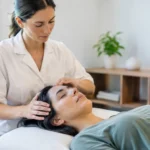
Acupuncture is a Traditional Chinese Medicine treatment in which a licensed TCM physician inserts very fine, sterile, single-use needles at selected points on the body. In sports injury care, the goal is not to promise an instant return to play. It is to help manage pain, reduce muscle guarding, support comfortable movement, and create better conditions for a patient to participate in an appropriate rehabilitation plan.
Some people seek care after an acute strain or sprain, while others have recurring discomfort that has built up through repetitive training. Acupuncture may be considered for concerns such as muscle strains, tendon-related discomfort, neck and shoulder tension, knee pain associated with overuse, low back discomfort, and post-exercise muscle tightness. The appropriate timing and treatment method depend on the injury stage, the person’s health history, and the findings of the assessment.
Research on acupuncture for musculoskeletal pain suggests that it may help some patients with pain relief and function. Results vary, however, and acupuncture should not be presented as a replacement for a diagnosis, physical therapy, strength training, rest, or medical treatment when those are needed. A thoughtful plan considers all of these pieces.
Why assessment matters before treatment
The same symptom can have very different causes. Knee pain after a long run may relate to training load, hip and ankle mechanics, weak supporting muscles, poor recovery, or a more significant joint issue. Treating only the place that hurts can overlook the factors that keep the problem returning.
A licensed TCM physician will ask about the onset of pain, training habits, previous injuries, sleep, workload, and relevant medical conditions. They may assess tenderness, muscle tension, range of motion, and patterns of movement. From a TCM perspective, the assessment also considers circulation, body balance, and the pattern of discomfort. This allows treatment to be personalized rather than based on a standard set of points for every athlete.
This care is particularly valuable for active adults who tend to push through discomfort. Pain that repeatedly returns after activity is useful information. It may indicate that the body needs a change in training load, recovery routine, technique, or professional assessment rather than another attempt to train through it.
Acupuncture for sports injury recovery at different stages
In the first days after an injury, priorities are often protection, appropriate rest, and determining whether urgent medical care is needed. A physician may recommend avoiding certain activities temporarily and may use a gentler treatment approach if acupuncture is appropriate. Significant swelling, severe bruising, obvious deformity, an inability to bear weight, numbness, weakness, fever, or pain after a major impact should be medically assessed promptly.
As acute symptoms settle, the focus can shift toward restoring comfortable movement. Acupuncture may be used alongside targeted rehabilitation exercises, therapeutic massage, or other suitable TCM modalities. For example, a patient recovering from a calf strain may need help with muscle tension while gradually rebuilding calf strength and ankle mobility. Relief without progressive loading is often incomplete recovery.
For longer-standing or recurrent injuries, the conversation is broader. A cyclist with recurring neck and upper back tightness may benefit from treatment for local muscle tension, but equipment setup, work posture, sleep position, training volume, and upper-body strength may also matter. A care plan should be practical enough to fit real life, not limited to what happens during one appointment.
What a treatment session may involve
After consultation, the physician explains the recommended approach and obtains consent before treatment begins. Needles are selected according to the injury pattern and the patient’s comfort level. Some points may be close to the painful area, while others may be chosen to address related muscle chains or overall body balance.
Patients commonly describe acupuncture as a brief prick on insertion, followed by a mild heaviness, warmth, tingling, or dull sensation. It should not feel like severe or escalating pain. Let the practitioner know immediately if anything feels uncomfortable. Clear communication helps make treatment safer and more effective.
Depending on the assessment, care may also include TCM Tuina therapeutic massage, myofascial-focused techniques, or advice on simple movement and recovery habits. These methods are not automatically combined for every patient. The right choice depends on the type of injury, sensitivity of the area, and stage of healing.
The trade-off: feeling better is not the same as being ready
One of the most important parts of sports injury care is managing the gap between symptom relief and tissue readiness. If acupuncture helps you move with less pain, it can be tempting to resume full training immediately. Yet tendons, muscles, ligaments, and joints may still need time and progressive loading to regain capacity.
A sensible return-to-activity plan is gradual. It may begin with walking, controlled mobility work, or lower-intensity exercise before progressing to running, lifting, jumping, or sport-specific drills. The pace depends on the injury, the person’s baseline fitness, and how symptoms respond over the following day, not only during the activity itself.
This is where personalized care is especially helpful. A recreational runner training for a first 10K has different demands from a parent trying to lift a child comfortably or an experienced athlete preparing for competition. The treatment goal should reflect the patient’s actual life and priorities.
Safety and when to seek other care
When provided by a qualified practitioner using proper hygiene and sterile, single-use needles, acupuncture is generally well tolerated. Mild temporary soreness, bruising, or lightheadedness can occur. Tell your physician about medications, especially blood thinners, pregnancy, bleeding disorders, a history of fainting, allergies, and any medical diagnoses that may affect treatment planning.
Acupuncture is not appropriate as a delay tactic when symptoms suggest a serious injury. Seek prompt medical attention for suspected fracture or dislocation, a head injury, chest pain, sudden severe swelling, loss of bowel or bladder control, progressive weakness, or signs of infection. If imaging, specialist review, or emergency care is indicated, those needs come first.
Questions patients often ask
How many sessions will I need?
There is no reliable fixed number. A recent mild strain may respond differently from chronic tendon discomfort that has persisted for months. Your physician can recommend an initial course after assessment and review progress as symptoms, movement, and activity tolerance change.
Can I exercise after acupuncture?
Often, gentle movement is appropriate, but the answer depends on the injury and treatment received. Your physician may advise avoiding intense training on the same day, especially if the area is irritated or you are returning from a recent injury. Follow the activity guidance given for your specific condition.
Can acupuncture replace physical therapy?
For some injuries, physical therapy or a structured exercise program is central to recovery. Acupuncture may complement that work by helping with pain and muscle tension, but it does not replace progressive rehabilitation when strength, coordination, or joint stability need attention.
A sports injury can be frustrating, particularly when it disrupts an activity that supports your health and enjoyment. The most useful next step is not always to do more. It is to understand what your body needs now, receive care from a licensed practitioner, and return to activity with patience, confidence, and a plan that respects long-term recovery.