A tool may look simple, but the way it is used changes the experience considerably. When comparing bojin versus gua sha, the most useful question is not which treatment is “better.” It is which approach suits your current symptoms, skin condition, comfort level, and wider care plan.
Both are hands-on therapies commonly used alongside Traditional Chinese Medicine care for muscle tightness, restricted movement, and a sense of physical heaviness or fatigue. Yet they differ in their tools, pressure, treatment style, and the visible marks they may leave behind. A thorough assessment helps determine whether either treatment is appropriate, and whether another option, such as Tuina, acupuncture, or medical evaluation, should take priority.
Bojin versus gua sha: the core difference
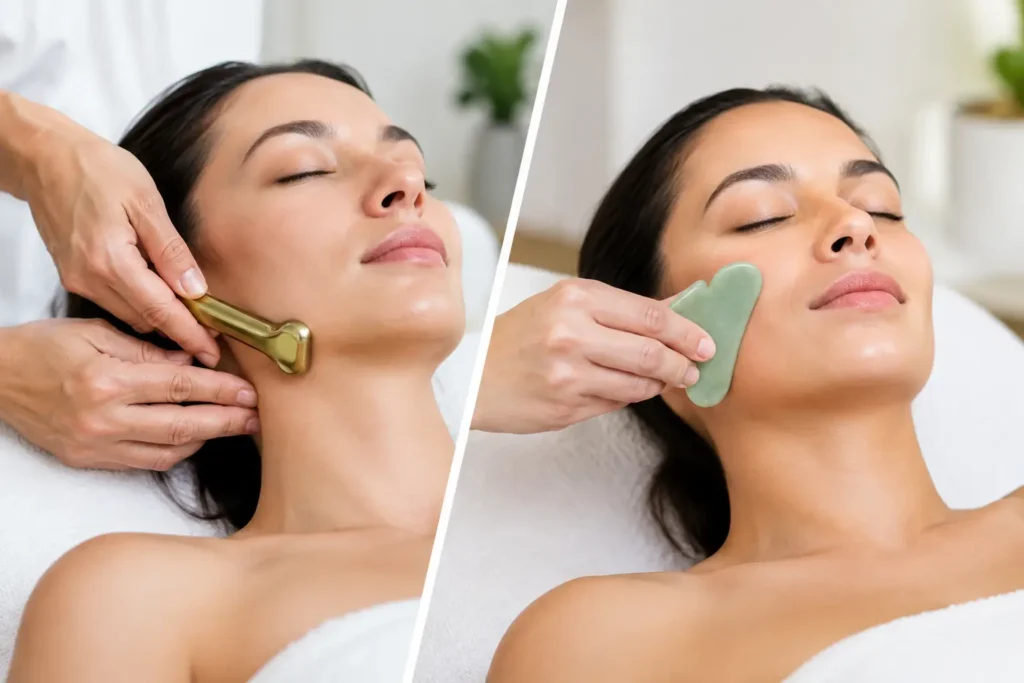
Gua sha is a technique in which a smooth-edged tool is stroked across lubricated skin with repeated pressure. In a therapeutic setting, it is often applied to areas such as the neck, shoulders, upper back, arms, or legs. The strokes may create temporary red or purple speckling called sha. This is a common response to the technique, but it is not a measure of how effective a session has been.
Bojin therapy generally uses a specialized, rounded tool to apply more targeted pressure and gliding strokes along areas associated with muscle tension, fascia, and TCM meridians. The exact tools and methods described as “bojin” can vary. In clinical practice, the focus should be less on a fashionable device and more on the practitioner’s assessment, pressure control, anatomical awareness, and hygiene standards.
Put simply, gua sha tends to use broader repeated scraping strokes across the skin, while bojin often feels more focused and point-oriented. Both may be incorporated into a personalized treatment plan, but neither should be treated as a universal solution for every ache or injury.
How each treatment may feel
Gua sha can produce a warming, pulling, or moderately intense sensation as the tool moves over the skin. Areas that are already tight can feel tender. Afterward, the treated area may look flushed or show sha for several days, depending on the pressure used, the individual’s skin, and their circulation.
Bojin may feel more localized. A practitioner may work slowly over particularly tense bands of tissue or around regions where movement feels restricted. Some patients describe a deep pressure sensation, while others find it more comfortable than broad gua sha strokes because the pressure can be adjusted with greater precision.
Neither treatment should require a patient to endure sharp pain. “No pain, no gain” is not a sound standard for therapeutic bodywork. Good care involves ongoing communication: pressure can be reduced, the area can be avoided, or the technique can be changed if it is too uncomfortable.
Visible marks are not the goal
One practical difference is that gua sha is more likely to leave visible marks. These usually fade over a few days, but they can be inconvenient before a wedding, presentation, beach trip, or other occasion where exposed skin matters. Bojin can also cause temporary redness or sensitivity, though significant marking is not always expected.
If a treatment produces bruising that is extensive, unusually painful, or slow to resolve, speak with a qualified health professional. A responsible practitioner will explain what a normal post-treatment response may look like and when it would be sensible to seek further advice.
When bojin may be considered
Bojin may be considered when the aim is focused work around persistent muscular tightness, a stiff neck and shoulders from desk work, or a feeling of restricted movement after exercise. Its targeted nature can make it a useful adjuvant therapy when a practitioner identifies specific areas that may benefit from careful soft-tissue work.
For example, an active adult with recurring calf tightness may need more than local pressure. A clinician may also look at training load, footwear, recovery habits, range of motion, and whether there are warning signs of a strain that require medical assessment. Bojin is most useful when it is part of this broader, individualized view rather than a quick fix.
It may also suit people who prefer a treatment that feels precise without necessarily wanting the broad, visible sha often associated with gua sha. However, sensitivity varies greatly. A person with very tender tissues may still find focused pressure uncomfortable, particularly during an acute flare-up.
When gua sha may be considered
Gua sha may be considered for broad areas of muscle tension, especially when a patient appreciates the sensation of sweeping strokes across the upper back, shoulders, or limbs. In TCM practice, it is traditionally used to support the movement of qi and blood and to help address patterns assessed by a licensed TCM physician.
From a modern practical perspective, some people experience temporary relief in muscle tightness and improved ease of movement after a session. Research on gua sha is still developing, and results should not be overstated. It should not be presented as a treatment for serious disease, nor should it delay appropriate medical care for persistent or worsening symptoms.
Gua sha may not be ideal when visible marks would cause concern, when the skin is irritated, or when someone is uncomfortable with a stronger scraping sensation. The right technique is the one that supports recovery without creating unnecessary distress.
Safety starts with assessment, not the tool
Bojin and gua sha are not suitable for every person or every body area. A licensed practitioner should ask about your symptoms, relevant health history, medications, recent injuries, and skin condition before beginning treatment. The treatment area should be clean, and tools must be properly sanitized between patients.
Extra caution or avoidance may be needed for people who bruise easily, take blood-thinning medication, have a bleeding disorder, have active skin infections, open wounds, sunburn, unexplained swelling, or a suspected fracture. Pregnancy, recent surgery, cancer treatment, nerve symptoms, and significant medical conditions also call for individualized professional guidance.
Seek prompt medical attention rather than bodywork if you have chest pain, sudden weakness, loss of sensation, severe or escalating pain, fever with a painful swollen area, unexplained weight loss, or symptoms after a major injury. These signs deserve medical assessment first.
Choosing between them in a treatment plan
The choice between bojin and gua sha often comes down to the location and nature of your discomfort. Broad upper-back tension may respond well to carefully applied gua sha, while a more specific tight area may call for targeted bojin work. But a skilled practitioner may recommend neither technique at the first visit if the tissues are too inflamed or if the symptom pattern needs further assessment.
At Y TCM Clinic, treatment decisions are guided by consultation rather than a one-size-fits-all menu. A licensed TCM physician can consider whether Bojin therapy, Tuina, acupuncture, herbal medicine, movement advice, or referral for further evaluation is most appropriate for your situation.
It is also reasonable to consider your practical preferences. Tell your practitioner if you need to avoid visible marks, are concerned about soreness after treatment, have a low pain threshold, or are returning to sport or work the next day. These details help shape a plan that is realistic as well as therapeutic.
Common questions about bojin and gua sha
Is bojin more effective than gua sha?
Not automatically. They use different forms of pressure and may suit different concerns. Effectiveness depends on the condition being addressed, the practitioner’s clinical judgment, the technique used, and whether the treatment is part of an appropriate overall plan.
How long do gua sha marks last?
Mild redness may settle quickly, while sha can remain visible for several days. Duration varies with pressure, location, individual skin response, and general health. Avoid planning a first gua sha session immediately before an event where visible marks may be unwelcome.
Can I exercise after treatment?
Gentle movement is often comfortable, but strenuous training may be best postponed if the treated area feels tender. Your practitioner can advise based on the intensity of treatment, your symptoms, and your activity goals.
The most reassuring choice is not the trendiest tool or the strongest sensation. It is a treatment plan that listens carefully to your body, respects safety limits, and gives your recovery the time and attention it deserves.