
A hot flash during a meeting, another night of broken sleep, or a sudden sense of irritability can make menopause feel far more disruptive than a normal life transition. TCM menopause support takes these changes seriously. Rather than treating every person with the same protocol, a licensed TCM physician considers your particular pattern of symptoms, health history, daily demands, and treatment preferences.
Menopause is not one experience. Some people are most affected by heat sensations and sweating, while others notice fatigue, mood changes, joint stiffness, digestive discomfort, vaginal dryness, or difficulty settling into sleep. Thoughtful care begins with listening closely, then creating a plan that is appropriate for your needs and coordinated with any conventional medical care you receive.
What TCM Menopause Support May Include
Traditional Chinese Medicine views menopause as a period of change in the body’s internal balance. In a clinical consultation, the physician may ask about the timing and nature of hot flashes, sleep quality, energy, appetite, bowel habits, stress, menstrual history, medications, and previous health conditions. Tongue and pulse assessment may also inform the TCM diagnosis.
This assessment matters because two people who both describe hot flashes may have different accompanying concerns. One may feel restless and wake overheated at night. Another may experience fatigue, cold hands and feet, and low mood. Personalized care does not promise a universal result, but it gives treatment a clearer clinical direction.
Depending on the assessment, a plan may include acupuncture, Chinese herbal medicine, TCM Tuina therapeutic massage, and practical guidance around rest, movement, and daily routines. These approaches are selected for the individual, not added automatically. For example, someone who feels tense and sleep-deprived may benefit from a different treatment emphasis than someone whose primary concern is daytime heat sensations or recurring headaches.
Acupuncture for Comfort and Regulation
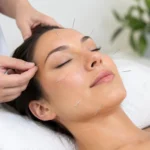
Acupuncture uses fine, sterile single-use needles at selected points on the body. Many patients seek it to support relaxation, sleep quality, stress management, and physical comfort during menopause. Sessions are generally quiet and unhurried, allowing the physician to observe changes over time and adjust the approach when needed.
Response varies. Some patients feel calmer or sleep more comfortably after early sessions, while others notice gradual changes across a series of treatments. Acupuncture should be provided by a licensed practitioner using appropriate hygiene and safety procedures. It is also helpful to discuss needle anxiety, pain sensitivity, medications, and any medical conditions before treatment begins.
Chinese Herbal Medicine Requires Individual Review
Chinese herbal medicine is often associated with women’s wellness, but it should never be treated as a casual supplement purchase. A formula that suits one person may not suit another, particularly during menopause when there may also be thyroid concerns, high blood pressure, migraines, liver or kidney conditions, or the use of prescription medication.
A licensed TCM physician can assess whether herbal medicine is appropriate and, if so, prescribe a personalized formula and review it as symptoms change. Tell your physician about all medications, over-the-counter products, vitamins, and supplements you use. This is especially important for people taking hormone therapy, blood thinners, breast cancer treatments, or medications for mood, diabetes, or cardiovascular conditions.
Herbal medicine can be part of supportive care, but it is not a replacement for medical evaluation or prescribed treatment. Clear communication between healthcare providers helps reduce avoidable risks.
When a Personalized Plan Is More Helpful Than a Standard Package
Menopause support is often marketed as a fixed program of treatments. A structured series can be useful, but care should still leave room for change. Symptoms may shift with stress, travel, work schedules, family responsibilities, diet, or the natural progression from perimenopause into menopause.
A clinically grounded plan starts with the symptoms that affect your life most. If lack of sleep is driving daytime fatigue and anxiety, improving nighttime comfort may be the first priority. If neck tension and headaches worsen around hot flashes, acupuncture and therapeutic bodywork may be considered alongside stress and posture habits. If digestion feels unsettled, the physician may assess food patterns and whether herbs are suitable.
Regular review is part of responsible care. Your physician should ask what has improved, what has not changed, and whether any new symptoms have appeared. Treatment frequency may be adjusted according to your response, schedule, and goals. There is no need to continue a treatment unchanged if it is not helping or no longer fits your needs.
Supporting Everyday Wellbeing During Menopause
TCM care works best when it fits into real life. Major lifestyle changes are not always practical, particularly for working adults and caregivers. Small, repeatable adjustments can be more realistic and may make symptoms easier to manage alongside clinical treatment.
For hot flashes and sleep disruption, consider noticing personal triggers rather than following rigid rules. Alcohol, spicy meals, warm bedrooms, caffeine, stress, and irregular sleep can affect some people more than others. Keeping a simple symptom note for two or three weeks can reveal useful patterns: when heat sensations occur, what preceded them, how long they last, and how sleep or mood was affected the next day.
Gentle movement can also support comfort, mood, and muscle health. A walk, mobility routine, tai chi, yoga, or strength training may be appropriate depending on your fitness and any joint concerns. The best choice is one you can sustain without pushing through pain or exhaustion. For patients experiencing muscle tension or body aches, therapeutic massage may be considered as part of an individualized plan.
Food needs vary widely during menopause. Instead of restrictive detoxes or dramatic dietary rules, aim for regular meals with adequate protein, fiber-rich foods, hydration, and nutrients that support general health. If you are concerned about bone health, weight changes, cholesterol, or blood sugar, discuss this with your primary care clinician or a qualified dietitian as well.
Safety: When to Seek Medical Care First
Complementary care has an appropriate role, but menopause symptoms should not be assumed to be harmless without assessment. New or heavy bleeding, bleeding after menopause, chest pain, shortness of breath, fainting, severe headaches, unexplained weight loss, or persistent pelvic pain should be evaluated promptly by a medical doctor.
It is also wise to seek medical advice for depression, significant anxiety, or sleep loss that is affecting your ability to function. Menopause can coincide with many other health changes, and the right support may involve more than one type of care. Hormone therapy is an effective option for some people and unsuitable for others, depending on their history and risk factors. A TCM physician can provide complementary support, but decisions about hormone therapy should be made with a qualified medical clinician.
At Y TCM Clinic, menopause care is approached with the same attention given to every patient: a thorough assessment, transparent explanation, and treatment by licensed TCM physicians within a calm, professional clinical setting. The aim is not to label normal change as illness. It is to help you feel heard and supported while addressing the symptoms that are making daily life harder.
Questions Patients Often Ask
How soon can I expect to notice a change?
It depends on the symptom, its severity, your general health, and the treatment approach. Some people notice changes in relaxation or sleep relatively early, while longer-standing concerns may require a series of sessions and regular reassessment. Your physician should set realistic expectations rather than guarantee a specific outcome.
Can I use TCM care while taking hormone therapy?
Possibly, but it requires full disclosure and careful coordination. Bring a current list of your medications and supplements to your consultation. Do not stop, start, or alter prescribed hormone therapy without speaking with the clinician who prescribed it.
Is acupuncture painful?
Most patients describe acupuncture as minimal discomfort, pressure, warmth, or a brief sensation at insertion. Experiences differ, and you can tell your practitioner at any point if you are uncomfortable. Treatment should be adjusted to your tolerance.
Menopause deserves care that is practical, respectful, and tailored to the person living through it. A considered consultation can be a useful first step toward understanding your symptoms and choosing support that feels safe, manageable, and aligned with your broader health needs.