
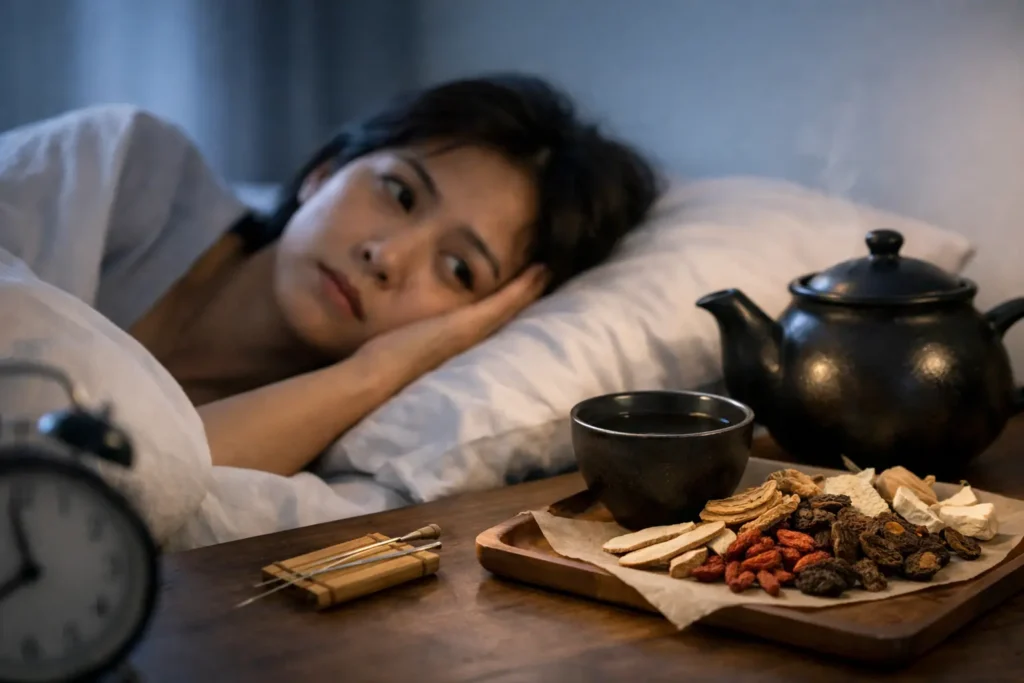
A poor night’s sleep rarely stays confined to the night. It can affect concentration at work, patience at home, exercise recovery, appetite, and the way the body handles stress. Insomnia treatment with TCM takes this wider picture seriously. Rather than treating every case as the same, a licensed TCM physician considers your sleep pattern, daily demands, physical symptoms, health history, and current medications before recommending care.
For some people, insomnia means struggling to fall asleep. For others, it is waking repeatedly, waking too early, or sleeping for enough hours but still feeling unrefreshed. These differences matter. A careful, personalized plan may include acupuncture, Chinese herbal medicine, therapeutic bodywork, and practical adjustments to support a steadier sleep routine.
Why insomnia needs an individual assessment
Sleep disruption can have many contributors. Work pressure, caregiving, irregular schedules, pain, hormonal changes, digestive discomfort, anxiety, alcohol, caffeine, and excessive screen use can all play a part. Some people notice their sleep worsens during periods of muscle tension or persistent pain. Others feel tired all day but become mentally alert as soon as they lie down.
From a TCM perspective, insomnia may be associated with different patterns of imbalance. A physician may look at whether there is restlessness, palpitations, vivid dreaming, heat sensations, headaches, poor digestion, fatigue, or body aches. Tongue observation and pulse assessment are traditional diagnostic methods that add to the clinical conversation. They are not a substitute for appropriate medical evaluation, but they help guide an individualized TCM treatment direction.
A thorough assessment should also cover how long symptoms have been present, what you have already tried, and whether sleep problems may be linked to another health concern. This helps avoid a one-size-fits-all approach, particularly when insomnia has become recurrent or is affecting daytime safety and wellbeing.
Insomnia treatment with TCM: what care may include
TCM care for sleep is often multimodal, meaning that more than one treatment may be used when appropriate. The combination depends on your presentation, preferences, response to care, and any relevant medical considerations.
Acupuncture for relaxation and sleep support
Acupuncture involves the placement of very fine, sterile single-use needles at selected points on the body. In a calm clinical setting, treatment is generally intended to support relaxation and help address symptoms that may be contributing to poor sleep, such as tension, discomfort, headaches, or stress-related restlessness.
Many patients find the treatment session itself deeply settling. However, acupuncture is not a sedative, and response varies. Some people notice a shift in how easily they unwind after several sessions, while others need a broader plan that also addresses pain, stress habits, or lifestyle factors. Your physician should explain the purpose of the selected points and review your comfort throughout the session.
Chinese herbal medicine, prescribed carefully
Chinese herbal medicine may be considered when it suits the individual’s TCM presentation. Formulas are selected based on the full assessment rather than on insomnia alone. For example, a person whose sleep is disrupted by digestive discomfort may be approached differently from someone experiencing racing thoughts, fatigue, or frequent waking.
Herbal medicine deserves the same care as any health intervention. Tell your TCM physician about all prescription medications, over-the-counter products, supplements, allergies, pregnancy or breastfeeding status, and existing medical conditions. This is especially important for people taking blood thinners, medications for mood or sleep, or treatments for complex chronic conditions. Do not stop prescribed medication without speaking to the clinician who manages it.
Tuina and supportive body-based care
When muscle tightness, neck and shoulder discomfort, back pain, or physical overuse is interfering with rest, TCM Tuina therapeutic massage or other meridian-based treatments may be considered. The goal is not simply to make someone sleepy during a session. It is to address physical discomfort that may be keeping the nervous system on alert at bedtime.
The right approach depends on the patient. Stronger manual techniques may be useful for some musculoskeletal concerns but unsuitable for others. A qualified practitioner should adapt pressure and treatment methods to your comfort, injury history, skin condition, and overall health.
What a realistic treatment plan looks like
Sleep difficulties that have lasted months usually do not resolve after one appointment. A responsible plan sets realistic expectations and reviews progress over time. Your physician may ask you to track bedtime, wake time, awakenings, caffeine or alcohol intake, stress levels, and daytime energy. These details can reveal patterns that memory alone often misses.
Early goals may be modest but meaningful: feeling less physically tense at night, waking fewer times, returning to sleep more easily, or having better daytime energy. If treatment is helping, the plan can be adjusted thoughtfully. If symptoms are unchanged, worsening, or suggesting another condition, further medical review may be appropriate.
At Y TCM Clinic, personalized care begins with a consultation rather than a pre-set sleep package. This allows licensed TCM physicians to understand what is affecting your rest and recommend treatment that is appropriate for your circumstances, with attention to professional hygiene and patient comfort.
Daily habits that can support TCM care
Clinical treatment works best alongside a sleep routine that is practical enough to maintain. Perfection is not required, and trying to control sleep too rigidly can create more pressure. Instead, focus on a few consistent signals that tell the body it is time to wind down.
Keep a regular wake time on most days, including weekends where possible. Get daylight exposure earlier in the day, especially if you spend long hours indoors. Avoid relying on late-day caffeine to compensate for poor sleep, as it can continue affecting sleep onset long after the afternoon cup of coffee. If alcohol makes you feel drowsy, remember that it can still fragment sleep later in the night.
A quieter final hour can also help. Consider dimming lights, moving demanding work out of the bedroom, and choosing a simple settling activity such as gentle stretching, reading, or a warm shower. If your mind is busy, write down tomorrow’s tasks before bed instead of trying to solve them under the covers.
Exercise is often beneficial for sleep and stress management, but timing matters. Some people sleep well after an evening workout, while others feel too energized. Notice your own pattern. Similarly, short daytime naps may help some people but make it harder for others to fall asleep at night.
When poor sleep needs medical attention
TCM can be a complementary part of care, but persistent insomnia should not be brushed aside. Speak with a doctor promptly if sleepiness is affecting driving or work safety, if you have loud snoring with choking or gasping, or if you suspect sleep apnea. Nighttime breathing pauses, severe reflux, frequent urination, significant pain, and medication side effects can all require conventional medical assessment.
Seek urgent support for thoughts of self-harm, severe mood changes, chest pain, shortness of breath, or sudden neurological symptoms. New insomnia accompanied by unexplained weight loss, fever, drenching night sweats, or marked changes in functioning also deserves timely medical review.
For many people, better sleep starts with being heard properly. A careful consultation can distinguish a short-term stressful period from a pattern that needs coordinated support, then create a plan that respects both traditional practice and modern healthcare standards.