
A stiff neck after long hours at a desk, a recurring lower-back ache, or a sports injury that has not settled can leave you with the same practical question: what type of care should you seek? When comparing tuina versus physiotherapy, the best choice is rarely about declaring one treatment better than the other. It is about understanding the nature of your discomfort, your recovery goals, and the type of assessment and care that will serve you safely.
Both approaches can be valuable for musculoskeletal concerns. They differ in their clinical frameworks, techniques, and treatment experience, but they may also work alongside one another when coordinated appropriately.
Tuina Versus Physiotherapy: The Main Difference
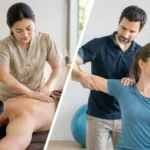
Tuina is a hands-on therapeutic treatment within Traditional Chinese Medicine. A licensed TCM physician or trained therapist uses techniques such as pressing, kneading, rolling, stretching, and targeted manipulation to work with muscles, soft tissue, joints, and meridian pathways. Treatment is guided by a TCM assessment that considers the location and quality of pain, movement patterns, tension, sleep, stress, digestion, and the person’s broader constitution.
Physiotherapy is a rehabilitation-focused healthcare discipline that assesses movement, function, strength, and pain. A physiotherapist may use manual therapy, exercise prescription, education, mobility work, and rehabilitation planning to help a person return to everyday activities, work, or sport. The approach commonly centers on restoring physical capacity and helping patients manage or prevent a recurrence.
Put simply, Tuina often approaches discomfort through both local tissue tension and whole-body balance, while physiotherapy often emphasizes movement impairment, functional rehabilitation, and progressive exercise. Neither description tells the whole story. Individual practitioners, the condition being treated, and the quality of the assessment all matter.
What a Tuina Session May Involve
A clinical Tuina appointment should begin with an assessment rather than a routine massage sequence. The practitioner will ask about where and when symptoms began, what movements aggravate them, previous injuries, daily habits, medical history, and any signs that require referral or additional medical attention.
During treatment, pressure is adapted to the affected area and the patient’s comfort level. For someone with shoulder tightness from computer work, treatment may focus on the neck, upper back, chest, shoulder muscles, and related meridian pathways. For lower-back discomfort, care may involve the hips, gluteal muscles, legs, and areas of restricted movement rather than only the painful spot.
Tuina can feel firmer and more targeted than a relaxation massage. Some techniques create temporary tenderness, particularly where tissues are already tight or sensitive. However, treatment should not involve pushing through sharp pain or leaving a patient uncertain about what is being done. Clear communication is part of safe, personalized care.
In a TCM setting, Tuina may also be considered alongside acupuncture, herbal medicine, or other suitable adjuvant therapies. This is not because every patient needs multiple treatments. It is because a care plan can be adjusted when symptoms, recovery pace, and overall health needs call for a broader approach.
When Tuina may be a suitable option
Tuina may be helpful for people experiencing muscle tension, neck and shoulder stiffness, non-specific back discomfort, overuse-related tightness, mild sports-related soft-tissue strain, or a sense of restricted movement. Some patients also appreciate its whole-person approach when stress, poor sleep, and fatigue appear to worsen physical tension.
It may be especially appealing if you want a hands-on treatment that includes a Traditional Chinese Medicine assessment and does not treat the painful area in isolation. That said, Tuina is not a substitute for urgent medical evaluation after significant trauma, severe or rapidly worsening pain, unexplained symptoms, or loss of strength or sensation.
What Physiotherapy Often Focuses On
Physiotherapy usually begins with a functional assessment. The clinician may observe your posture, walking, joint range of motion, muscle strength, balance, and ability to perform meaningful activities such as climbing stairs, lifting, running, or reaching overhead.
Treatment can include manual techniques, but exercise is commonly central to the plan. For example, a patient recovering from an ankle sprain may work through mobility, balance, calf strength, and gradual return-to-running exercises. Someone with persistent knee pain may need support to strengthen the muscles around the hip and knee while adjusting training load or movement habits.
This makes physiotherapy particularly useful when recovery requires measurable functional progress. A structured home program can help translate treatment-room improvements into lasting changes in daily life.
When physiotherapy may be the better fit
Physiotherapy is often a strong choice after surgery, fracture rehabilitation, major joint injury, or a condition where return to a specific activity is the main goal. It can also be well suited to people who want detailed exercise guidance, performance-based milestones, or help rebuilding confidence after pain has limited their movement.
For some conditions, physiotherapy may be the first recommendation from a physician. If you have been given post-operative restrictions, a formal diagnosis, or a rehabilitation protocol, it is sensible to follow that plan and ask whether complementary care is appropriate.
Can Tuina and Physiotherapy Be Used Together?
In some cases, yes. Tuina and physiotherapy can be complementary rather than competing options. A person may use Tuina to address persistent muscle guarding, soft-tissue tightness, or stress-related tension while following physiotherapy exercises to improve strength, stability, and movement control.
The order and timing depend on the individual. If an acute injury is swollen and highly painful, the priority may be medical assessment and an early rehabilitation plan. If discomfort has become chronic and movement feels restricted, carefully delivered hands-on treatment may help make exercise more tolerable. This should never be assumed, though. The plan should be based on a proper assessment.
Communication matters when receiving care from more than one provider. Let each practitioner know about your diagnosis, current symptoms, medications, imaging results if available, and other treatments. This reduces duplication and helps keep the plan focused on your goals.
Safety: When Hands-On Treatment Needs Extra Care
Not every painful condition is appropriate for Tuina or vigorous manual therapy. A responsible practitioner should screen for factors that may change or rule out treatment, including recent fractures, severe osteoporosis, blood-clotting concerns, anticoagulant medication, active infection, open wounds, fever, certain skin conditions, and suspected nerve or spinal involvement.
Seek prompt medical assessment for chest pain, sudden severe headache, unexplained weight loss, bowel or bladder changes, numbness in the saddle area, progressive weakness, marked swelling, or pain following a serious accident. These symptoms need medical attention rather than a massage-based solution.
Pregnancy, cancer treatment, chronic health conditions, and recent surgery do not automatically prevent treatment, but they require a suitably modified plan and clear communication with relevant healthcare professionals. Safe care is not about applying the same technique to everyone. It is about knowing when to adapt, pause, or refer.
How to Choose the Right Care for Your Needs
Start with the question behind the pain. Are you mainly seeking relief from tight, sore muscles and a sense of whole-body tension? Are you recovering from an injury and need a progressive plan to return to sport or daily activities? Do you have a diagnosed condition or recent surgery that calls for a structured rehabilitation pathway?
If you choose Tuina, look for a clinical environment that prioritizes assessment, hygiene, practitioner qualifications, and clear explanations. A thoughtful practitioner should explain what they believe may be contributing to your discomfort, what the treatment may involve, and what changes to expect after the session. They should also be comfortable recommending medical or allied-health care when it is needed.
If you choose physiotherapy, ask how the treatment plan will connect to your daily life. A useful plan should not only identify weaknesses or restrictions. It should give you realistic steps for managing work demands, exercise, sleep positions, or return to activity.
At Y TCM Clinic, care begins with listening carefully to the patient’s concerns and assessing the appropriate next step. For people considering Tuina, that means treatment is tailored to the person’s symptoms, comfort, and recovery goals rather than delivered as a one-size-fits-all massage.
The right choice may be Tuina, physiotherapy, coordinated care, or a medical review before either. The most helpful next step is to choose a qualified practitioner who takes your symptoms seriously, explains the plan clearly, and supports a pace of recovery that respects your body.