Sports injuries are common among athletes, active individuals, fitness enthusiasts, and even people who participate in occasional recreational activities. Whether it is running, gym training, football, tennis, badminton, golf, cycling, martial arts, or weightlifting, physical activity places stress on muscles, tendons, ligaments, and joints. Injuries may occur suddenly through accidents or develop gradually over time due to repetitive strain and overuse.
In Singapore, many people are becoming increasingly health-conscious and active. As participation in sports and fitness activities rises, there is also growing interest in complementary wellness approaches such as Traditional Chinese Medicine (TCM) for sports recovery and body maintenance.
Traditional Chinese Medicine has been practiced for thousands of years and is widely known for its holistic approach toward pain management, circulation support, and body balance. Many individuals explore TCM as part of their wellness and recovery journey after experiencing muscle tightness, sports-related discomfort, stiffness, or mobility issues.
This article explores how TCM approaches sports injuries, the different therapies commonly used, and why many active individuals integrate TCM into their overall wellness routine.
Understanding Sports Injuries
Sports injuries can happen in various ways. Some occur suddenly during exercise, while others develop slowly over time.
Acute Sports Injuries
Acute injuries happen suddenly and may include:
- Sprains
- Strains
- Muscle pulls
- Ligament injuries
- Joint discomfort
- Bruising
Examples include:
- Twisting an ankle while running
- Pulling a muscle during weightlifting
- Falling during sports activities
Chronic Sports Injuries
Chronic injuries often develop gradually due to repetitive stress or overuse.
Examples may include:
- Tennis elbow
- Runner’s knee
- Shoulder tightness
- Lower back discomfort
- Tendon irritation
- Neck stiffness
These issues may become more noticeable over time, especially when the body does not recover adequately between physical activities.
The TCM Perspective on Sports Injuries
In Traditional Chinese Medicine, sports injuries are often viewed as disruptions to the smooth flow of Qi and Blood within the body.
According to TCM philosophy:
- Qi represents the body’s vital energy
- Blood circulation nourishes tissues and muscles
- Smooth circulation is associated with wellness and mobility
When an injury occurs, TCM practitioners may describe it as:
- Qi stagnation
- Blood stagnation
- Obstruction within the meridians
- Internal imbalance caused by strain or trauma
Poor circulation or stagnation may contribute to:
- Tightness
- Discomfort
- Reduced mobility
- Swelling
- Stiffness
The goal of TCM wellness approaches is often to encourage circulation, support recovery, and restore balance within the body.
Common Sports Injuries People Seek TCM Support For
Many active individuals explore TCM for support with various sports-related concerns.
Common examples include:
- Neck and shoulder tension
- Lower back discomfort
- Knee discomfort
- Tennis elbow
- Golf-related muscle strain
- Muscle tightness
- Calf strain
- Ankle sprain recovery
- Hip tightness
- Sports-related fatigue
TCM therapies are often customized depending on the individual’s condition, lifestyle, and activity level.
Acupuncture for Sports Injuries
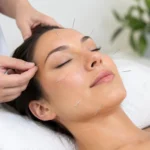
Acupuncture is one of the most widely recognized TCM therapies for wellness and recovery support.
What Is Acupuncture?
Acupuncture involves inserting very fine needles into specific acupuncture points on the body.
According to TCM philosophy, these points are connected through meridians that influence the flow of Qi and Blood.
The purpose of acupuncture in sports wellness may include:
- Supporting circulation
- Encouraging relaxation
- Helping reduce muscle tightness
- Supporting mobility
- Encouraging overall body balance
Why Athletes Explore Acupuncture
Many athletes and active individuals include acupuncture as part of their wellness routine because sessions are often associated with:
- Relaxation
- Recovery support
- Muscle tension management
- Stress reduction
Some individuals also use acupuncture proactively as part of body maintenance and recovery after intense physical training.
TCM Tuina Massage for Sports Recovery
Tuina is a form of therapeutic massage used in TCM.
Unlike relaxation massage, Tuina typically focuses more on:
- Muscles
- Tendons
- Meridians
- Joint mobility
Common Tuina Techniques
TCM practitioners may use:
- Pressing
- Rolling
- Stretching
- Kneading
- Joint mobilization
The objective is often to support circulation and encourage smoother movement throughout the body.
Tuina for Active Individuals
Many physically active individuals seek Tuina wellness sessions to address:
- Tight muscles
- Body stiffness
- Post-workout fatigue
- Sports-related tension
Regular recovery sessions may help individuals maintain better mobility and body comfort.
Cupping Therapy and Sports Wellness
Cupping therapy has become increasingly popular among athletes worldwide.
You may have seen circular cupping marks on professional athletes during international sporting events.
What Is Cupping?
Cupping involves placing suction cups on targeted areas of the body.
In TCM philosophy, cupping may help:
- Encourage circulation
- Release tension
- Promote relaxation
- Support recovery
Why Active Individuals Explore Cupping
People commonly use cupping for:
- Tight shoulders
- Back tension
- Muscle fatigue
- Sports recovery routines
Many individuals describe cupping sessions as helping them feel looser and more relaxed afterward.
Herbal Therapy in Sports Recovery
Chinese herbal therapy is another component of TCM wellness care.
Herbal formulations may be customized based on:
- Body constitution
- Injury type
- Recovery stage
- Overall wellness condition
Some herbs are traditionally associated with:
- Supporting circulation
- Encouraging warmth
- Supporting recovery balance
Herbal support may come in forms such as:
- Herbal soups
- Herbal compresses
- Topical applications
- Customized formulations
TCM and Muscle Recovery
Recovery is an important part of sports performance and physical wellness.
Without proper recovery:
- Muscles may remain tight
- Fatigue can accumulate
- Flexibility may decrease
- Risk of overuse issues may increase
Many active individuals explore TCM wellness therapies as part of their recovery routine.
Common wellness goals may include:
- Encouraging relaxation
- Supporting flexibility
- Maintaining circulation
- Supporting overall body balance
TCM and Lower Back Discomfort
Lower back discomfort is common among:
- Office workers
- Gym enthusiasts
- Golfers
- Runners
- Weightlifters
In TCM philosophy, lower back wellness is often connected to Kidney energy.
TCM approaches for lower back support may include:
- Acupuncture
- Tuina
- Heat therapy
- Herbal support
Many individuals integrate these therapies alongside stretching and physical wellness practices.
TCM and Knee Wellness
Knee discomfort may affect:
- Runners
- Cyclists
- Hikers
- Athletes involved in jumping sports
Repeated impact and strain may contribute to tension around the knee joint.
TCM wellness approaches may aim to:
- Support circulation
- Encourage mobility
- Reduce tightness
- Support overall balance
Sports Injury Prevention Through TCM
Many people associate TCM only with recovery after injury. However, some active individuals also use TCM proactively for maintenance and prevention.
Why Prevention Matters
When the body remains overly tight or fatigued:
- Movement patterns may change
- Flexibility may decrease
- Stress may accumulate
- Recovery may slow down
These factors may increase the likelihood of strain or overuse issues.
Preventive Wellness Approaches
Preventive wellness routines may include:
- Regular acupuncture sessions
- Stretching
- Mobility work
- Adequate sleep
- Recovery-focused body care
- Wellness massage sessions
Some athletes incorporate regular TCM sessions during training seasons to support recovery and mobility.
TCM and Stress in Athletes
Sports performance is not only physical. Mental stress can also affect recovery and performance.
Stress may contribute to:
- Muscle tightness
- Fatigue
- Poor sleep
- Reduced recovery quality
In TCM philosophy, emotional stress may affect the smooth circulation of Qi.
Many athletes and active individuals appreciate the calming nature of therapies such as:
- Acupuncture
- Breathing exercises
- Wellness-focused bodywork
Sleep and Recovery in TCM
Sleep is one of the most important components of recovery.
Without quality rest:
- Muscles recover more slowly
- Energy levels decline
- Fatigue accumulates
- Performance may be affected
TCM wellness philosophy often emphasizes the importance of restoring balance and supporting proper rest.
Many individuals seek wellness support for:
- Restlessness
- Poor sleep quality
- Recovery fatigue
- Stress-related tension
TCM and Office Workers With Sports Injuries
Not all sports injuries happen to professional athletes.
Office workers who exercise after long hours of sitting may also experience:
- Tight neck muscles
- Lower back tension
- Shoulder stiffness
- Wrist discomfort
Poor posture combined with exercise can place additional stress on the body.
TCM wellness approaches may support:
- Relaxation
- Mobility
- Circulation
- Muscle recovery
The Importance of Personalized Wellness Care
One of the key strengths of TCM is personalization.
Different individuals may experience different body patterns even if they have similar discomfort.
For example:
- One person’s muscle tightness may be associated with stress
- Another may have fatigue-related recovery challenges
- Another may have circulation-related stiffness
TCM practitioners often assess:
- Lifestyle
- Sleep
- Stress levels
- Exercise habits
- Body constitution
This holistic approach allows wellness recommendations to be tailored to the individual.
Integrating TCM With Active Lifestyles
Today, many people combine modern fitness practices with traditional wellness philosophies.
Examples include:
- Gym training with acupuncture recovery sessions
- Running combined with Tuina massage
- Yoga alongside cupping therapy
- Mobility work combined with herbal wellness support
This integrated approach reflects growing interest in holistic wellness and recovery strategies.
TCM for Different Types of Athletes
Different sports place different stresses on the body.
Runners
Common concerns:
- Knee tension
- Calf tightness
- Foot fatigue
Weightlifters
Common concerns:
- Lower back tightness
- Shoulder strain
- Muscle stiffness
Golfers
Common concerns:
- Rotational tension
- Back tightness
- Elbow strain
Tennis and Badminton Players
Common concerns:
- Shoulder fatigue
- Elbow tension
- Wrist strain
TCM wellness plans are often adjusted according to the individual’s activity type and lifestyle.
Why Many Athletes Continue Using TCM
There are several reasons why active individuals continue exploring TCM as part of their wellness routine.
Holistic Philosophy
TCM considers the whole body rather than isolated symptoms.
Focus on Recovery
Recovery and restoration are emphasized heavily in TCM wellness philosophy.
Personalized Approach
Wellness plans are typically customized for the individual.
Non-Exercise Recovery Support
TCM therapies provide additional recovery support outside of exercise and stretching.
Relaxation Benefits
Many active individuals appreciate the calming and restorative nature of TCM therapies.
Lifestyle Habits That Support Sports Recovery
TCM philosophy often emphasizes overall lifestyle balance.
Recovery support may include:
- Adequate hydration
- Proper sleep
- Balanced nutrition
- Stretching routines
- Recovery days
- Stress management
Wellness is viewed as a combination of multiple interconnected factors rather than a single treatment.
Conclusion
Traditional Chinese Medicine continues to be widely explored by athletes, fitness enthusiasts, and active individuals seeking support for sports recovery and body wellness. From acupuncture and Tuina massage to cupping therapy and herbal wellness support, TCM offers a holistic approach focused on circulation, balance, relaxation, and recovery.
Whether dealing with muscle tightness, sports-related tension, lower back discomfort, or post-workout fatigue, many individuals appreciate the personalized and wellness-oriented philosophy of TCM. While experiences vary from person to person, TCM remains a popular complementary wellness approach for supporting active lifestyles and recovery routines.
As modern fitness culture continues to grow in Singapore, TCM remains an important part of many people’s long-term wellness and sports recovery journey.