Sports and physical activities are an important part of many people’s lifestyles in Singapore. From running and gym workouts to football, badminton, tennis, cycling, swimming, hiking, yoga, and CrossFit training, more individuals are embracing active living to improve health and fitness.
However, increased physical activity also brings a higher risk of sports injuries and muscular strain. Whether you are a professional athlete, a weekend sports enthusiast, or someone who exercises regularly after work, injuries can happen unexpectedly or gradually over time.
Muscle soreness, joint stiffness, ligament strains, tendon discomfort, and repetitive stress injuries are among the most common physical issues experienced by active individuals. In Singapore’s busy environment, many people continue working and exercising despite discomfort, which can sometimes worsen recovery challenges.
As a result, more people are exploring natural and holistic recovery approaches, including Traditional Chinese Medicine (TCM). TCM has become increasingly popular among athletes and fitness-conscious individuals seeking support for pain relief, recovery, mobility, and overall physical wellness.
Through therapies such as acupuncture, Tuina massage, cupping, and herbal treatments, TCM focuses on improving circulation, restoring balance, and supporting the body’s natural recovery process.
This article explores common sports injuries that TCM can help support effectively and why many people in Singapore incorporate TCM into their recovery and wellness routines.
Understanding Sports Injuries
Sports injuries can occur in different ways.
Some injuries happen suddenly due to:
- Falls
- Twisting movements
- Sudden impact
- Overstretching
Others develop gradually from:
- Repetitive strain
- Poor posture
- Overtraining
- Inadequate recovery
- Muscle imbalances
Sports injuries may affect:
- Muscles
- Tendons
- Ligaments
- Joints
- Connective tissues
Without proper recovery and care, small discomforts may sometimes become long-term issues.
The TCM Approach to Sports Injuries
Traditional Chinese Medicine views pain and injury through a holistic lens.
According to TCM philosophy:
- Qi (energy) flows throughout the body
- Blood circulation nourishes muscles and tissues
- Blockages or stagnation may contribute to discomfort
- Imbalances may affect movement and recovery
When injuries occur, TCM practitioners aim to:
- Encourage circulation
- Release tension
- Restore balance
- Support mobility
- Promote relaxation
Rather than focusing only on symptoms, TCM often considers the person’s overall physical condition, lifestyle habits, stress levels, and recovery patterns.
This holistic approach is one reason why many athletes and active individuals are drawn to TCM.
1. Muscle Strains
Muscle strains are one of the most common sports injuries.
They occur when muscles are overstretched or overloaded during physical activity.
Common causes include:
- Sudden movements
- Heavy lifting
- Sprinting
- Poor warm-ups
- Overtraining
Muscle strains frequently affect:
- Hamstrings
- Calves
- Lower back
- Shoulders
- Neck
How TCM Supports Muscle Strain Recovery
TCM therapies commonly used for muscle strains include:
- Acupuncture
- Tuina massage
- Herbal oils
- Cupping
These treatments are traditionally believed to help encourage circulation and release muscle tension.
Many active individuals seek TCM support for:
- Tight muscles
- Reduced mobility
- Exercise-related soreness
- Recovery after training
2. Ankle Sprains
Ankle sprains are especially common in:
- Football
- Basketball
- Running
- Hiking
- Badminton
They occur when ligaments around the ankle are overstretched due to twisting or rolling movements.
Symptoms may include:
- Swelling
- Discomfort
- Instability
- Reduced mobility
TCM for Ankle Recovery
Many people seek TCM support during ankle recovery to help:
- Reduce stiffness
- Improve mobility
- Support circulation
- Relieve muscle tension around the area
Acupuncture and herbal therapies are commonly used as part of ankle recovery routines.
3. Runner’s Knee
Runner’s knee refers to discomfort around the kneecap commonly experienced by runners and physically active individuals.
Contributing factors may include:
- Repetitive running
- Muscle imbalance
- Poor footwear
- Training intensity
- Weak supporting muscles
Why Active Individuals Seek TCM for Knee Discomfort
TCM treatments may focus on:
- Relaxing surrounding muscles
- Supporting circulation
- Improving mobility
- Reducing tightness around the knee area
Many runners incorporate acupuncture and Tuina massage into their recovery routines, especially during marathon training periods.
4. Tennis Elbow
Tennis elbow is caused by repetitive strain affecting the tendons around the elbow.
It is common among:
- Tennis players
- Golfers
- Weightlifters
- Office workers
- Individuals using repetitive arm movements
Despite the name, tennis elbow can affect people who do not play tennis.
TCM Approaches for Tennis Elbow
Many people seek acupuncture and Tuina for:
- Arm tightness
- Elbow discomfort
- Muscle tension
- Recovery support
TCM practitioners may also recommend stretching and recovery-focused lifestyle adjustments.
5. Lower Back Pain
Lower back discomfort is one of the most common complaints among both athletes and office workers.
It may result from:
- Heavy lifting
- Poor posture
- Weak core muscles
- Long hours sitting
- Sports strain
In Singapore, many working adults balance desk jobs with active fitness routines, which may contribute to back tension.
TCM for Lower Back Recovery
TCM treatments commonly used include:
- Acupuncture
- Tuina massage
- Cupping therapy
- Herbal support
Many individuals report feeling:
- More relaxed
- Less stiff
- More mobile after treatment
Back care has become an important aspect of wellness for many people with physically demanding lifestyles.
6. Shoulder Injuries
Shoulder discomfort is common among people involved in:
- Swimming
- Tennis
- Weightlifting
- Badminton
- CrossFit training
Shoulder issues may involve:
- Tightness
- Reduced mobility
- Muscle strain
- Tendon discomfort
How TCM Supports Shoulder Wellness
Acupuncture and Tuina are frequently used for:
- Shoulder tension
- Neck stiffness
- Upper body tightness
Some people also combine TCM with stretching and mobility exercises.
7. Neck Stiffness and Tension
Neck stiffness can affect:
- Athletes
- Office workers
- Drivers
- Gym-goers
Contributing factors may include:
- Poor posture
- Long screen time
- Stress
- Muscle overuse
TCM Treatments for Neck Tightness
TCM therapies may help support:
- Relaxation
- Mobility
- Muscle tension relief
- Circulation
Many Singaporeans seek acupuncture and massage therapies to manage upper body stiffness caused by modern work lifestyles.
8. Shin Splints
Shin splints are common among runners and individuals involved in high-impact activities.
They may occur due to:
- Overtraining
- Sudden increases in exercise intensity
- Poor footwear
- Repetitive impact
TCM Recovery Approaches
Some individuals seek TCM support for:
- Muscle tightness
- Lower leg discomfort
- Recovery after intense training
Acupuncture and massage therapies are often incorporated into broader recovery routines.
9. Achilles Tendon Discomfort
The Achilles tendon experiences significant stress during:
- Running
- Jumping
- Sprinting
Tight calf muscles and repetitive strain may contribute to discomfort.
TCM for Tendon Recovery
Many people seek therapies such as:
- Acupuncture
- Tuina massage
- Herbal support
to support flexibility and recovery around the calf and ankle region.
10. General Muscle Soreness and Fatigue
Not all sports-related discomfort comes from injuries.
Many active individuals experience:
- Tight muscles
- Fatigue
- Stiffness after exercise
- Delayed onset muscle soreness (DOMS)
TCM for Recovery and Maintenance
Many athletes and gym-goers use TCM proactively for:
- Recovery support
- Relaxation
- Flexibility maintenance
- Muscle care
Recovery culture has become increasingly important among fitness-conscious individuals in Singapore.
Acupuncture in Sports Injury Recovery
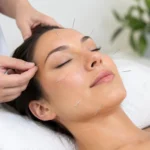
Acupuncture is one of the most widely used TCM therapies for sports injuries.
The treatment involves placing fine needles into specific points on the body.
Many people seek acupuncture because it:
- Is non-invasive
- Supports relaxation
- Fits into wellness routines
- Encourages natural recovery
Professional athletes worldwide have helped increase awareness of acupuncture by openly sharing their use of the therapy.
Tuina Massage for Sports Recovery
Tuina massage focuses on:
- Muscles
- Tendons
- Joint mobility
- Physical tension
Unlike spa massages focused mainly on relaxation, Tuina often targets specific physical concerns.
Many active individuals appreciate Tuina because it may help:
- Improve flexibility
- Reduce muscle tightness
- Support relaxation
- Encourage circulation
Cupping Therapy and Sports Wellness
Cupping has become increasingly visible among athletes.
The therapy involves placing suction cups on the skin to create negative pressure.
Athletes often use cupping for:
- Back tightness
- Shoulder stiffness
- Muscle recovery
- General relaxation
The temporary circular marks associated with cupping have become widely recognized in sports culture.
Herbal Therapy in TCM
Herbal therapies may include:
- Herbal oils
- Herbal patches
- Herbal teas
These products are traditionally used to support:
- Muscle comfort
- Relaxation
- Circulation
Many Singaporeans are familiar with applying herbal oils after physical exertion or sports activities.
Preventive Wellness Through TCM
One major reason people embrace TCM is because it is often used proactively rather than only after injuries occur.
Many individuals use TCM for:
- Body maintenance
- Stress management
- Recovery support
- Flexibility
- Wellness balance
Preventive care has become an important trend in Singapore’s growing wellness culture.
TCM and Mental Wellness
Physical recovery is closely connected to mental well-being.
Stress, fatigue, and lack of sleep may affect:
- Recovery quality
- Muscle tension
- Energy levels
Many individuals find TCM treatments calming and relaxing, which contributes to overall wellness.
For busy professionals balancing:
- Careers
- Family
- Fitness goals
TCM sessions may provide valuable opportunities for rest and self-care.
Combining TCM with Modern Recovery Methods
Many people combine TCM with:
- Physiotherapy
- Stretching
- Strength training
- Yoga
- Mobility work
This integrative approach allows individuals to support wellness from multiple perspectives.
TCM is often viewed as complementary to broader recovery strategies rather than a standalone solution.
Conclusion
Sports injuries and physical strain are common among active individuals, athletes, and working adults. Muscle tightness, joint discomfort, repetitive strain, and sports-related tension can affect mobility, comfort, and overall quality of life.
Traditional Chinese Medicine offers a natural and holistic approach to supporting sports recovery through therapies such as acupuncture, Tuina massage, cupping, and herbal treatments. These methods focus on restoring balance, encouraging circulation, supporting mobility, and promoting relaxation.
As more people in Singapore prioritize active lifestyles and recovery-focused wellness, TCM continues growing in popularity among individuals seeking natural ways to care for their bodies.
Whether used for recovery after injury, muscle maintenance, or overall wellness support, TCM has become an important part of modern sports recovery culture in Singapore.