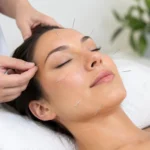

The first steps out of bed can be the hardest part of plantar fasciitis. That sharp heel pain may ease after a few minutes of walking, only to return after a long day on your feet. So, does acupuncture help plantar fasciitis? For some people, it can be a useful part of a broader recovery plan, particularly when pain, calf tightness, and repeated strain are limiting normal movement.
Acupuncture is not a quick fix for every heel problem, and it should not replace a proper assessment. But when provided by a licensed TCM physician as part of personalized care, it may help reduce pain, relax overworked tissues, and support a gradual return to comfortable activity.
What plantar fasciitis is – and why it can linger
Plantar fasciitis involves irritation and degeneration of the plantar fascia, the strong band of tissue running from the heel toward the toes. It is often associated with repeated loading rather than a single injury. Long hours standing, sudden increases in running or walking, unsupportive footwear, tight calves, foot mechanics, and a change in body weight can all contribute.
The hallmark symptom is pain under or near the heel, especially with the first few steps after rest. Some people notice soreness after exercise or standing for extended periods. Because the discomfort may improve temporarily once the foot warms up, it is easy to keep pushing through it. That can prolong the cycle of irritation.
Heel pain is not always plantar fasciitis. Nerve irritation, a stress injury, inflammatory conditions, tendon problems, or other causes may feel similar. A careful assessment helps determine whether acupuncture is appropriate and whether a medical evaluation should come first.
Does acupuncture help plantar fasciitis?
Research suggests acupuncture may provide short-term pain relief for some people with plantar fasciitis. Studies are varied in quality and use different acupuncture points, treatment schedules, and comparison methods, so it is not possible to promise the same result for every patient. Still, acupuncture is commonly used as a complementary option for musculoskeletal pain when combined with practical changes that reduce repeated strain.
From a modern clinical perspective, needling may influence pain signaling, local circulation, and muscle tension. Many patients with heel pain also have tightness in the calves, Achilles tendon area, or muscles of the foot. Addressing those related areas may make walking and stretching more tolerable while the irritated tissue settles.
Traditional Chinese Medicine also considers the wider pattern behind pain. A licensed TCM physician may assess where the pain is felt, how it responds to rest and movement, the condition of surrounding tissues, daily activity demands, sleep, and general constitution. The aim is not simply to needle the painful spot. It is to create a treatment plan that supports pain relief while addressing contributing tension and imbalance.
The honest answer is that results depend on the cause, severity, and duration of symptoms. Someone with recent pain related to a sharp increase in activity may respond differently from someone who has experienced heel pain for many months and continues to stand for long shifts daily. Acupuncture works best when expectations are realistic and the treatment plan includes changes outside the treatment room.
What an acupuncture treatment may involve
A professional treatment begins with a consultation rather than a standard set of points. Your physician should ask about the location and timing of pain, work and exercise habits, previous injuries, footwear, relevant medical conditions, and treatments you have already tried. They may also examine tenderness, calf and foot tension, and movement patterns.
Acupuncture points may be selected around the foot and ankle, as well as in the lower leg or other areas related to muscle tension and pain regulation. The needles used are sterile, single-use, and very fine. Most people feel little more than a brief sensation on insertion, followed by warmth, heaviness, tingling, or a relaxed feeling. Painful needling is not the goal, and you should tell your practitioner if you are uncomfortable.
Depending on your presentation, care may also include TCM Tuina therapeutic massage, gentle work on tight soft tissues, or other appropriate meridian-based adjuvant treatments. These are not automatically necessary for everyone. The right combination depends on tissue sensitivity, the stage of your condition, and how your body responds.
A treatment course is usually planned over several visits, with progress reviewed along the way. Improvement may show up as less intense first-step pain, fewer flare-ups after standing, greater comfort during walking, or better ankle and calf mobility. If symptoms are not changing as expected, the plan should be reassessed rather than continued without direction.
Acupuncture is more helpful when daily load is addressed
A heel can remain irritated if the same mechanical stress continues every day. Acupuncture may make symptoms easier to manage, but it cannot fully compensate for inadequate recovery, worn-out shoes, or a sudden jump in training volume.
Gentle calf and plantar fascia stretching is often useful, especially before the first steps in the morning. Supportive shoes with appropriate cushioning can reduce strain for many people, while walking barefoot on hard floors may aggravate symptoms during a flare. If you run, play sports, or have recently increased your activity, reducing intensity temporarily can give the area time to recover without complete inactivity.
For some patients, guidance from a podiatrist, physical therapist, or physician may be appropriate alongside TCM treatment. This is particularly helpful when footwear, orthotics, training technique, or rehabilitation exercises need closer attention. Complementary care is strongest when each part of the plan has a clear purpose.
When heel pain needs medical attention
Do not assume all foot pain is routine plantar fasciitis. Seek timely medical evaluation if you cannot bear weight, have substantial swelling, redness, warmth, numbness, fever, pain following a fall or impact, or pain that is severe at rest or worsening quickly.
You should also speak with an appropriate healthcare professional before acupuncture if you have a bleeding disorder, take blood-thinning medication, have reduced sensation in your feet, are pregnant, or have a complex medical history. A qualified practitioner can discuss precautions and help determine whether treatment is suitable.
For persistent symptoms that have not improved with sensible self-care, an assessment matters. Imaging or further medical investigation is sometimes needed to rule out another source of pain. Good care does not force every condition into one treatment approach.
Choosing care for plantar fasciitis
If you are considering acupuncture for plantar fasciitis, look for a practitioner who takes your symptoms seriously and explains the plan in clear terms. You should understand what the treatment is intended to address, what you can reasonably expect, and which self-care steps will support your progress.
At Y TCM Clinic, licensed TCM physicians provide individualized assessments in a calm clinical setting, with attention to hygiene, comfort, and Singapore healthcare standards. The focus is on helping patients make informed decisions about their care, not on promising identical outcomes for every case.
Heel pain can change the way you walk, exercise, work, and rest. A thoughtful assessment can help you identify the pressure points in that cycle and take the next step toward more comfortable movement.