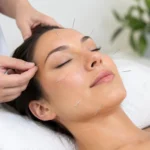

A complexion can look tired even when a skincare routine is consistent. Puffiness after poor sleep, a dull appearance during stressful periods, facial tension around the jaw, and uneven tone can all affect how skin looks and feels. Understanding how facial acupuncture improves complexion starts with seeing the face as part of the body, not as an isolated area that needs a quick cosmetic fix.
Facial acupuncture is a Traditional Chinese Medicine treatment in which a licensed practitioner uses very fine, sterile needles at selected points on the face and body. The aim is not to promise a dramatic overnight change. Instead, treatment is tailored to support circulation, relaxation, and overall balance while considering the factors that may be affecting a patient’s skin and wellbeing.
Why complexion can reflect more than skincare
Skin care products can be useful, but they cannot always address every reason the face appears congested, dry, puffy, or lackluster. Sleep quality, stress, hydration, hormonal changes, muscle tension, diet, exercise, and recovery from illness can each play a role. Some people notice that their complexion changes noticeably during demanding work periods or after several nights of interrupted rest.
From a TCM perspective, the face can reflect patterns elsewhere in the body. A consultation may consider concerns such as fatigue, digestive discomfort, menstrual changes, headaches, sleep, stress levels, and areas of muscular tightness. This does not mean every skin concern has one simple internal cause. It means treatment should begin with a careful assessment rather than an identical facial protocol for every person.
For some patients, the main goal is a fresher, more rested-looking appearance. For others, it may be easing tightness in the forehead or jaw, supporting a more comfortable sense of wellbeing, or adding a conservative complementary option alongside an established skin-care plan. Clear goals help a practitioner decide whether facial acupuncture is appropriate and what a realistic course of care may look like.
How facial acupuncture improves complexion
Facial acupuncture may improve complexion through several connected effects. The response differs between individuals, and results depend on the concern being treated, overall health, lifestyle, skin sensitivity, and the consistency of care.
Supporting local circulation
The insertion of fine needles creates a controlled, localized stimulus in the skin and underlying tissues. This may encourage local blood flow and help the face look temporarily brighter or more refreshed after treatment. Better circulation is often discussed in aesthetic acupuncture because the skin relies on an adequate supply of oxygen and nutrients to maintain its normal function.
This should not be confused with a guarantee that acupuncture will erase pigmentation, scars, or deep wrinkles. Those concerns have many possible causes and may require dermatological assessment or other treatments. Facial acupuncture is generally better viewed as supportive care for skin vitality and overall facial appearance, not a replacement for medical skin treatment when one is needed.
Relaxing facial tension
Repeated facial expressions, teeth grinding, work stress, and long hours at a screen can leave the jaw, temples, forehead, and brow feeling tight. This tension can contribute to a strained or tired expression. Carefully selected acupuncture points may help some patients feel more relaxed in these areas.
When the face and surrounding muscles are less tense, patients may notice that they look less drawn or fatigued. In some cases, body acupuncture points are also used to address broader stress patterns or neck and shoulder tightness that may be contributing to facial discomfort. The treatment plan is based on the person in front of the practitioner, not on a standard set of cosmetic points.
Addressing puffiness and a tired appearance
Fluid retention, poor sleep, stress, and inactivity can contribute to morning puffiness or a heavy feeling in the face. TCM treatment may include facial and body points selected to support circulation and the body’s natural fluid regulation. Gentle hands-on therapies may also be considered when suitable.
The outcome can be subtle. A patient may feel lighter, more relaxed, or notice a healthier-looking glow rather than a major visible transformation. For people whose puffiness is sudden, persistent, painful, or accompanied by other symptoms, medical evaluation should come first.
Supporting a broader TCM care plan
Facial acupuncture is often most meaningful when it is part of a wider care plan. Depending on the assessment, a licensed TCM physician may discuss sleep habits, stress management, hydration, movement, nutrition, herbal medicine, or treatment for muscular tension. These recommendations are individualized and should fit the patient’s health history and daily routine.
For example, someone with a dull complexion and frequent jaw tightness may benefit from a different approach than someone mainly concerned about stress-related breakouts. Acne, eczema, rosacea, persistent rashes, and sudden changes in pigmentation can have medical causes. Acupuncture may be used as complementary support in appropriate cases, but it should not delay diagnosis or prescribed treatment from a qualified medical professional.
What a facial acupuncture appointment involves
A professional appointment begins with discussion, not needles. The practitioner will ask about the skin concern, general health, medications, allergies, past acupuncture experience, and any relevant medical conditions. They should also explain the proposed treatment, likely sensations, possible side effects, and what results are reasonable to expect.
During treatment, patients commonly lie comfortably on a treatment bed while very fine, single-use needles are placed at selected facial and body points. Sensations vary. Some people feel little more than a brief pinch, while others notice warmth, heaviness, tingling, or a feeling of relaxation. Treatment should not be intensely painful. If something feels sharp or uncomfortable, it is appropriate to tell the practitioner immediately.
Needles are typically retained for a short period while the patient rests. Depending on the treatment plan, care may include acupuncture alone or be combined with other suitable TCM therapies. A calm, hygienic clinical setting matters, particularly for treatments involving the face.
Afterward, mild redness at a needle site can occur and usually settles quickly. Small bruises are possible, especially for people who bruise easily. It is sensible to avoid scheduling a first session immediately before an important event, so you can learn how your skin responds.
Safety considerations and when to postpone treatment
Facial acupuncture should be performed by a properly trained and licensed practitioner using sterile, single-use needles. Patients should disclose all medications and supplements, especially blood thinners, as well as bleeding disorders, pregnancy, active skin infections, recent cosmetic procedures, fillers, Botox, laser treatments, or facial surgery.
Treatment may need to be postponed or adjusted when there is an active infection, open wound, severe inflammatory flare, or recent procedure that has not fully healed. People with a history of fainting during needles should mention this before treatment so the session can be planned with additional care.
A responsible practitioner will not treat every concern in the same way. They may recommend delaying treatment, modifying the points used, or seeking medical or dermatological advice first. That caution is part of personalized clinical care, not a barrier to it.
When might you see a change?
Some people feel relaxed and notice a temporary post-treatment brightness after their first appointment. More sustained changes, if they occur, usually require a series of sessions and depend on the concern being addressed. Lifestyle factors matter as well. Consistent sleep, sun protection, gentle skin care, adequate hydration, and stress management can support the goals of treatment.
It helps to take a measured approach. Rather than focusing only on a single before-and-after image, consider changes in puffiness, facial tension, how rested you feel, and the overall comfort of your skin. Your practitioner can review progress over time and adjust the plan if the response is limited.
At Y TCM Clinic, facial acupuncture is approached as personalized care, guided by a thorough assessment and delivered by licensed TCM physicians in a professional clinical setting. If you are considering treatment for a tired-looking complexion, facial tension, or stress-related skin concerns, bring your full health and skin history to the consultation. The most helpful plan is one that respects both your appearance goals and your long-term wellbeing.