Sports injuries are common among people of all ages in Singapore. Whether you are a professional athlete, a weekend runner, a gym enthusiast, or someone who simply enjoys staying active, injuries can happen unexpectedly. Muscle strains, ligament sprains, joint pain, tendon inflammation, back pain, shoulder tightness, and knee discomfort are some of the most common complaints faced by active individuals.
While many people immediately think of painkillers, rest, or physiotherapy after an injury, Traditional Chinese Medicine (TCM) has become an increasingly popular option for people seeking a more natural and holistic approach to recovery. Across Singapore, many individuals are turning to acupuncture, Tuina massage, herbal therapies, and other TCM methods to support pain relief and help the body recover from sports-related injuries.
TCM has been practiced for thousands of years and focuses on restoring balance within the body. Instead of only targeting the area of pain, TCM practitioners often look at the overall condition of the individual to understand how circulation, muscle tension, energy flow, and recovery mechanisms may be affected.
In this article, we explore how TCM helps relieve sports injuries naturally in Singapore and why many active individuals include TCM as part of their recovery and wellness journey.
Understanding Sports Injuries
Sports injuries can happen suddenly due to accidents or gradually through repetitive strain and overuse. Some injuries occur during intense exercise, while others develop over time because of poor posture, improper training techniques, inadequate recovery, or muscle imbalances.
Common sports injuries include:
- Muscle strains
- Ligament sprains
- Tennis elbow
- Golfer’s elbow
- Shin splints
- Runner’s knee
- Lower back pain
- Frozen shoulder
- Neck stiffness
- Ankle injuries
- Achilles tendon discomfort
- Shoulder impingement
- Joint inflammation
In Singapore’s fast-paced environment, many people continue working even while injured, which may delay proper recovery. Sitting long hours in offices while trying to maintain an active fitness lifestyle can also place additional stress on the body.
This is one reason why many individuals seek treatments that focus not only on pain management but also on improving circulation, flexibility, and recovery.
The TCM Perspective on Pain and Injury
Traditional Chinese Medicine views pain differently from modern Western medicine. In TCM, pain is often believed to arise when the flow of Qi (energy) and blood becomes blocked or disrupted.
According to TCM principles:
- Poor circulation may contribute to pain and stiffness
- Muscle tension may affect energy flow
- Trauma may create stagnation in affected areas
- Weakness in certain body systems may slow recovery
The goal of TCM is therefore to encourage smoother circulation and restore balance within the body.
Rather than focusing only on symptoms, TCM practitioners often assess the individual’s overall condition, lifestyle, sleep patterns, stress levels, posture, and physical activity before recommending a treatment plan.
Acupuncture for Sports Injuries
One of the most recognized TCM treatments for sports injuries is acupuncture.
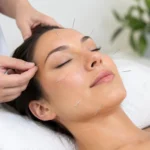
Acupuncture involves inserting very fine needles into specific points on the body. These points are traditionally believed to stimulate circulation and support the body’s natural recovery process.
Many people in Singapore seek acupuncture for conditions such as:
- Muscle soreness
- Knee pain
- Neck tension
- Shoulder stiffness
- Lower back discomfort
- Sports recovery
- Joint pain
- Tendon-related discomfort
Why Athletes Choose Acupuncture
Athletes and active individuals often prefer acupuncture because it is considered a non-invasive and drug-free option. Many people also appreciate that acupuncture sessions are generally relaxing and may help reduce muscle tightness after training.
Some individuals use acupuncture not only after injuries but also as part of ongoing recovery and maintenance routines.
For example:
- Runners may use acupuncture to manage repetitive strain
- Gym-goers may seek treatment for muscle tightness
- Tennis players may seek support for elbow discomfort
- Cyclists may use TCM for neck and shoulder stiffness
In Singapore, acupuncture has become increasingly mainstream among people who want a natural approach to physical recovery.
Tuina Massage for Muscle and Joint Recovery
Another important TCM therapy commonly used for sports injuries is Tuina.
Tuina is a form of therapeutic Chinese massage that focuses on muscles, joints, tendons, and circulation. Unlike spa massages that are mainly for relaxation, Tuina often targets specific areas of discomfort or tension.
Techniques may include:
- Pressing
- Rolling
- Stretching
- Kneading
- Joint mobilization
Tuina is commonly used for:
- Muscle tightness
- Back pain
- Neck stiffness
- Sports-related tension
- Shoulder discomfort
- Post-exercise soreness
Benefits of Tuina for Active Individuals
Many people appreciate Tuina because it may help:
- Improve flexibility
- Release muscle tension
- Support circulation
- Promote relaxation
- Improve mobility
For people who exercise regularly, muscle tightness and stiffness can affect movement quality and recovery. Tuina is often incorporated into recovery routines to help the body feel looser and more balanced.
Herbal Therapy in TCM Recovery
Herbal remedies are another component of Traditional Chinese Medicine that may be recommended for sports injuries.
TCM herbal formulations are traditionally used to support circulation and recovery. Depending on the individual’s condition, practitioners may recommend different herbal approaches.
Herbal support may come in forms such as:
- Herbal teas
- Capsules
- Powders
- Herbal oils
- Herbal patches
Topical herbal oils are commonly used in Singapore among active individuals for muscle discomfort and soreness.
Traditional Use of Herbal Oils
Many Singaporeans are familiar with herbal oils and liniments used after physical exertion or injury. These products are often applied to:
- Sore muscles
- Bruised areas
- Tight joints
- Areas of tension
The warming sensation from certain herbal oils is traditionally associated with improving circulation and comfort.
Cupping Therapy for Muscle Tightness
Cupping therapy has gained popularity worldwide, especially among athletes.
In TCM, cupping involves placing cups on the skin to create suction. This technique is traditionally believed to help improve circulation and release stagnation.
People often seek cupping for:
- Tight shoulders
- Back tension
- Muscle soreness
- Recovery after intense training
The circular marks sometimes left by cupping are temporary and commonly associated with the treatment.
Why Some Athletes Use Cupping
Many athletes report that cupping helps them feel:
- Less tight
- More relaxed
- Better recovered after exercise
In Singapore, cupping is commonly offered alongside acupuncture and Tuina in TCM clinics.
TCM for Different Types of Sports Injuries
Knee Pain
Knee discomfort is common among runners, hikers, and gym-goers. TCM treatments often focus on improving circulation around the knee area while reducing muscle tension around surrounding structures.
Lower Back Pain
Back pain can affect both athletes and office workers. Long hours sitting combined with exercise strain may contribute to stiffness and discomfort. Acupuncture and Tuina are commonly sought for lower back issues.
Shoulder Injuries
Sports like swimming, tennis, badminton, and weightlifting often place stress on the shoulders. TCM may help support mobility and muscle relaxation in affected areas.
Neck and Upper Body Tension
Poor posture, desk work, and sports activities can all contribute to neck tightness. TCM approaches may focus on relieving tension while supporting circulation.
Ankle Sprains
Ankle injuries are common in running, basketball, football, and other physical activities. Many people seek TCM support during recovery phases.
Holistic Recovery Approach
One reason why TCM appeals to many people is its holistic philosophy.
Instead of only treating the painful area, TCM practitioners may also discuss:
- Sleep quality
- Stress levels
- Diet
- Exercise habits
- Recovery routines
- Posture
- Lifestyle balance
Many individuals today recognize that recovery is not only about the injury itself. Sleep deprivation, stress, overtraining, and poor recovery habits can also affect how the body feels.
TCM often encourages individuals to pay attention to their overall wellness and balance.
TCM and Preventive Care
Many active individuals in Singapore do not wait until they are seriously injured before visiting a TCM clinic.
Some use TCM proactively for:
- Muscle maintenance
- Recovery after exercise
- Managing stiffness
- Improving flexibility
- Relaxation
- Stress reduction
As fitness culture continues growing in Singapore, preventive wellness has become increasingly important.
People who train regularly often realize that proper recovery is just as important as exercise itself.
Sports Lifestyle in Singapore
Singapore has a growing fitness and sports culture. Activities such as:
- Marathon running
- Cycling
- Tennis
- Gym training
- CrossFit
- Yoga
- Pilates
- Hiking
- Dragon boating
- Badminton
have become increasingly popular.
However, Singapore’s humid weather, long working hours, and stressful lifestyle can sometimes contribute to physical strain and fatigue.
Balancing work, exercise, and recovery can be challenging. This is one reason why natural wellness approaches like TCM continue gaining popularity among working adults and fitness enthusiasts.
Combining TCM with Modern Recovery Methods
Many people today use TCM alongside other recovery approaches.
Some individuals combine TCM with:
- Physiotherapy
- Strength training
- Stretching exercises
- Sports massage
- Mobility work
- Rehabilitation programs
This integrative approach allows individuals to explore different methods that may support their overall recovery goals.
In Singapore, it is increasingly common for active individuals to adopt multi-faceted wellness strategies instead of relying on a single treatment approach.
Importance of Proper Recovery
One major mistake many active individuals make is returning to exercise too quickly after discomfort or injury.
Ignoring pain may sometimes lead to:
- Worsening tension
- Reduced mobility
- Compensatory movement patterns
- Increased strain elsewhere
Recovery should not only focus on symptom management but also on giving the body adequate time and support to recover properly.
TCM often emphasizes gradual recovery and restoring balance rather than simply masking discomfort temporarily.
The Growing Popularity of TCM in Singapore
Traditional Chinese Medicine has deep roots in Singapore’s multicultural society. Today, it continues to attract both older and younger generations.
Younger working adults and fitness enthusiasts increasingly seek TCM because they appreciate:
- Natural wellness approaches
- Non-invasive methods
- Holistic care
- Focus on balance and recovery
TCM clinics are now commonly found across Singapore, making treatments more accessible than ever before.
Many clinics also provide modern and comfortable environments while maintaining traditional treatment philosophies.
Choosing a TCM Clinic for Sports Injuries
When selecting a TCM clinic in Singapore, individuals often consider:
- Practitioner experience
- Clinic reputation
- Treatment approach
- Comfort level
- Accessibility
- Range of services offered
It is important for individuals to communicate openly about their activities, exercise habits, and discomfort levels so practitioners can better understand their situation.
Lifestyle Habits That Support Recovery
Besides treatment, recovery often involves healthy daily habits.
Active individuals may benefit from:
- Adequate sleep
- Proper hydration
- Stretching
- Balanced nutrition
- Gradual training progression
- Rest days
- Mobility exercises
TCM philosophies often align with the idea of maintaining balance in everyday life rather than constantly pushing the body to extremes.
Conclusion
Sports injuries and physical discomfort can affect people at every fitness level. Whether caused by exercise, repetitive strain, poor posture, or overtraining, pain and muscle tension can impact daily life and physical performance.
Traditional Chinese Medicine offers a natural and holistic approach that many people in Singapore turn to for support with sports recovery and pain relief. Through methods such as acupuncture, Tuina massage, cupping, and herbal therapies, TCM focuses on restoring balance, supporting circulation, and promoting overall wellness.
As more people embrace active lifestyles in Singapore, interest in preventive wellness and natural recovery methods continues to grow. For many individuals, TCM has become an important part of maintaining mobility, comfort, and physical well-being while supporting a healthier and more balanced lifestyle.