Sports and fitness have become an important part of modern lifestyles in Singapore. From marathon runners and gym enthusiasts to cyclists, swimmers, tennis players, footballers, and weekend hikers, more people are staying active than ever before. While exercise brings many health benefits, intense training and repetitive physical activity can also place stress on the body.
Muscle soreness, joint discomfort, stiffness, tendon strain, back pain, shoulder tightness, and sports injuries are common issues faced by active individuals. Recovery has therefore become a major focus for athletes and fitness-conscious individuals who want to maintain performance while reducing the risk of prolonged discomfort.
In recent years, Traditional Chinese Medicine (TCM) has gained increasing attention among athletes and active individuals looking for natural methods to support pain relief and recovery. Across Singapore and many parts of the world, athletes are incorporating acupuncture, Tuina massage, cupping therapy, and herbal approaches into their recovery routines.
TCM is no longer seen only as a traditional practice for older generations. Today, many younger adults and sports enthusiasts appreciate its holistic philosophy and natural approach to physical wellness.
This article explores why athletes are turning to TCM for pain relief and faster recovery, and how Traditional Chinese Medicine has become part of modern sports recovery culture in Singapore.
The Growing Importance of Recovery in Sports
In the past, many athletes focused mainly on training intensity and performance. Today, recovery is considered just as important as exercise itself.
Without proper recovery, the body may experience:
- Persistent muscle soreness
- Reduced flexibility
- Fatigue
- Muscle imbalances
- Reduced mobility
- Increased risk of injury
As sports science evolves, athletes are becoming more aware that recovery is essential for long-term performance and wellness.
This shift has led many individuals to explore recovery-focused therapies beyond conventional approaches. TCM has become one of the most popular complementary wellness methods because of its holistic nature.
Understanding Traditional Chinese Medicine
Traditional Chinese Medicine is a healthcare system that has been practiced for thousands of years. TCM focuses on restoring balance within the body rather than treating only isolated symptoms.
According to TCM philosophy:
- Qi (energy) flows throughout the body
- Blood circulation supports nourishment and healing
- Imbalances may contribute to discomfort and tension
- Blockages may affect mobility and wellness
When it comes to sports injuries and pain relief, TCM practitioners often aim to improve circulation, release tension, and support the body’s natural recovery process.
Rather than focusing solely on the injured area, TCM may also consider:
- Sleep quality
- Lifestyle habits
- Stress levels
- Diet
- Exercise intensity
- Overall body condition
This broader perspective is one reason why many athletes are attracted to TCM.
Why Athletes Prefer Natural Recovery Methods
Many athletes and fitness enthusiasts prefer recovery approaches that support the body naturally without relying heavily on medication.
Some individuals seek alternatives because they want:
- Non-invasive options
- Drug-free recovery support
- Holistic wellness approaches
- Relaxation alongside recovery
- Long-term maintenance strategies
TCM therapies often align with these preferences.
Instead of masking discomfort temporarily, many TCM treatments focus on encouraging circulation, mobility, and relaxation.
This philosophy appeals to athletes who prioritize overall body care and sustainable physical wellness.
Acupuncture and Sports Recovery
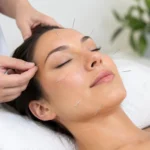
Acupuncture is one of the most recognized TCM treatments among athletes.
The treatment involves inserting very fine needles into specific points on the body. In TCM philosophy, these points are associated with energy pathways and circulation.
Many active individuals seek acupuncture for:
- Muscle tightness
- Sports-related discomfort
- Joint stiffness
- Recovery after intense exercise
- Back pain
- Neck tension
- Shoulder discomfort
- Knee pain
Why Athletes Like Acupuncture
Many athletes appreciate acupuncture because sessions are often relaxing and focused on supporting recovery naturally.
Acupuncture has become increasingly visible in professional sports globally. High-profile athletes have publicly shared their use of acupuncture and cupping therapies during competitions and training periods.
In Singapore, many active individuals use acupuncture:
- After intense workouts
- During marathon training
- During rehabilitation phases
- As part of maintenance routines
Some athletes also report that acupuncture helps them feel less tight and more mobile after strenuous physical activity.
Tuina Massage for Athletic Recovery
Tuina is another important TCM therapy commonly used by athletes.
Unlike regular relaxation massages, Tuina is a therapeutic massage technique that focuses on muscles, tendons, joints, and circulation.
Techniques may include:
- Pressing
- Kneading
- Rolling
- Stretching
- Mobilization
Tuina is often used for:
- Muscle soreness
- Tight shoulders
- Stiff neck
- Lower back tension
- Sports fatigue
- Joint discomfort
Why Active Individuals Choose Tuina
Athletes often place repetitive stress on muscles and joints. Over time, this may contribute to tightness and reduced mobility.
Many people seek Tuina because it may help:
- Improve flexibility
- Relax muscles
- Support circulation
- Reduce physical tension
- Promote relaxation
Gym-goers, runners, and office workers who exercise frequently often combine Tuina with stretching and mobility exercises as part of their recovery routines.
Cupping Therapy and Muscle Recovery
Cupping therapy has become highly popular among athletes worldwide.
During cupping, cups are placed on the skin to create suction. In TCM philosophy, this technique is believed to help encourage circulation and release stagnation.
Cupping is commonly sought for:
- Back tightness
- Shoulder stiffness
- Muscle soreness
- Sports fatigue
- Recovery after training
Why Athletes Use Cupping
Athletes often feel physically tight after repeated training sessions. Many report that cupping helps them feel:
- Looser
- More relaxed
- Less tense
- Better recovered
The circular marks left after cupping are temporary and commonly associated with the treatment.
Cupping gained international attention after athletes were seen with cupping marks during major sporting events. Since then, interest in the therapy has increased significantly.
Herbal Therapies in TCM
Herbal remedies are another important aspect of Traditional Chinese Medicine.
Depending on the individual’s condition, TCM practitioners may recommend:
- Herbal oils
- Herbal patches
- Herbal teas
- Herbal supplements
In Singapore, many active individuals are familiar with traditional herbal oils used for muscle discomfort and post-exercise soreness.
Traditional Use of Herbal Oils
Herbal oils are commonly applied to:
- Tight muscles
- Sore areas
- Bruises
- Stiff joints
Many people appreciate the warming and soothing sensation associated with these products.
Herbal support is often combined with acupuncture or massage therapies as part of a broader wellness approach.
Common Sports Injuries Treated with TCM
Runner’s Knee
Running places repetitive stress on the knees, especially during marathon training. TCM treatments are commonly sought to support mobility and comfort.
Tennis Elbow and Golfer’s Elbow
Repetitive arm movements may contribute to elbow discomfort. Athletes sometimes seek acupuncture or Tuina to manage muscle tension around affected areas.
Lower Back Pain
Back discomfort affects both athletes and office workers. Weightlifting, cycling, and poor posture may contribute to tension.
Shoulder Tightness
Swimming, badminton, tennis, and gym workouts may place strain on the shoulders. TCM therapies are often used to support flexibility and relaxation.
Neck Stiffness
Long hours working at desks combined with physical training can create neck tension. Many individuals seek TCM treatments to support relaxation and mobility.
TCM and Preventive Wellness
One reason athletes increasingly embrace TCM is because it is not only used after injuries occur.
Many active individuals use TCM proactively for:
- Muscle maintenance
- Recovery support
- Relaxation
- Mobility maintenance
- Physical balance
Preventive wellness has become a growing trend among fitness-conscious individuals in Singapore.
Rather than waiting until pain becomes severe, many athletes now prioritize regular body maintenance and recovery care.
The Holistic Appeal of TCM
Modern life in Singapore can be demanding. Long working hours, stress, insufficient sleep, and frequent exercise may place significant strain on the body.
Many athletes appreciate that TCM looks at the body holistically rather than focusing only on isolated symptoms.
TCM practitioners may discuss:
- Sleep habits
- Energy levels
- Diet
- Recovery routines
- Emotional stress
- Exercise intensity
This broader approach resonates with people seeking overall wellness instead of temporary symptom management.
Mental Relaxation and Recovery
Recovery is not only physical. Mental stress and fatigue can also affect performance and well-being.
Many athletes find TCM treatments calming and relaxing. Some individuals report feeling mentally refreshed after sessions involving acupuncture or massage.
This mind-body connection is an important part of Traditional Chinese Medicine philosophy.
For individuals balancing:
- Work
- Family responsibilities
- Fitness goals
- Busy schedules
TCM treatments may provide opportunities to slow down and focus on wellness.
The Rise of Wellness Culture in Singapore
Singapore’s wellness industry has expanded rapidly in recent years.
Many people now prioritize:
- Fitness
- Healthy eating
- Stress management
- Recovery therapies
- Preventive healthcare
TCM fits naturally into this wellness movement because it emphasizes balance and long-term care.
Younger adults who previously may not have considered TCM are now increasingly open to:
- Acupuncture
- Cupping
- Herbal therapies
- Therapeutic massage
This shift has helped TCM become more mainstream among active individuals.
Combining TCM with Other Recovery Methods
Many athletes combine TCM with other wellness practices such as:
- Physiotherapy
- Strength training
- Stretching
- Yoga
- Mobility work
- Sports massage
This integrated approach allows individuals to support recovery from multiple angles.
Some people use TCM specifically during:
- High-intensity training periods
- Marathon preparation
- Competition seasons
- Rehabilitation phases
Others include TCM regularly as part of overall body maintenance.
The Importance of Listening to the Body
One reason injuries become worse is because many people ignore early signs of discomfort.
Athletes sometimes continue training despite:
- Tightness
- Stiffness
- Minor pain
- Reduced mobility
Over time, these issues may become more serious if left unmanaged.
TCM philosophies often encourage people to pay attention to body balance and avoid excessive physical strain.
Recovery and rest are viewed as important aspects of maintaining long-term health and performance.
Why TCM Continues Growing in Popularity
Traditional Chinese Medicine continues attracting athletes because it offers:
- A natural approach
- Non-invasive therapies
- Holistic wellness perspectives
- Focus on recovery and balance
- Relaxation and stress relief
In Singapore, TCM has become increasingly accessible, with many clinics offering modern environments while maintaining traditional treatment methods.
As more people adopt active lifestyles, the demand for recovery-focused wellness solutions is expected to continue growing.
Conclusion
Sports injuries, muscle soreness, and physical tension are common challenges faced by athletes and active individuals. Recovery has become an essential part of maintaining performance, mobility, and overall wellness.
Traditional Chinese Medicine offers a holistic and natural approach that many people in Singapore now incorporate into their recovery routines. Through therapies such as acupuncture, Tuina massage, cupping, and herbal support, TCM focuses on restoring balance, encouraging circulation, and supporting the body’s natural recovery processes.
Athletes today are increasingly recognizing that long-term wellness involves more than simply training harder. Recovery, balance, stress management, and preventive care all play important roles in maintaining an active and healthy lifestyle.
As interest in natural wellness continues growing, TCM is likely to remain an important part of sports recovery culture for many years to come.