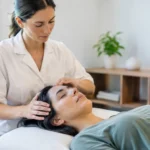

A dull or tired-looking complexion is not always only a skincare concern. Stress, sleep disruption, muscle tension, digestion, and menstrual changes can all affect how the face looks and feels. TCM Beauty Acupuncture takes a broader view, using fine acupuncture needles to support facial circulation, ease tension, and promote overall balance through an individualized Traditional Chinese Medicine assessment.
For patients who prefer a natural, non-surgical approach to aesthetic care, treatment can be a considered part of a wider wellbeing plan. It is not a replacement for dermatological care, cosmetic procedures, or a consistent skincare routine. Instead, it is a professional TCM treatment that aims to support a more rested, comfortable, and refreshed appearance over time.
What Is TCM Beauty Acupuncture?
TCM Beauty Acupuncture, sometimes called facial acupuncture, is an aesthetic-focused acupuncture treatment based on Traditional Chinese Medicine principles. A licensed TCM physician selects points on the face and, when appropriate, on the body according to the patient’s presentation, health history, and treatment goals.
In TCM, facial concerns may be considered alongside patterns such as stress, fatigue, poor sleep, digestive discomfort, or changes associated with the menstrual cycle. The intention is not to treat every skin concern as having one cause. Rather, the physician looks at the person as a whole and develops a plan that may support circulation, relaxation, and internal balance.
The facial component typically uses very fine, sterile, single-use needles. Depending on the assessment, body acupuncture may be included to complement facial treatment. Some patients may also be advised on appropriate lifestyle adjustments, skincare habits, Tuina, herbal medicine, or other TCM therapies when clinically suitable.
What Concerns Can It Support?
Patients commonly seek beauty acupuncture when their skin appears tired, the face feels tense, or they would like a gentler approach to maintaining a healthy-looking complexion. It may be considered for concerns such as facial puffiness, a dull appearance, stress-related tension around the jaw or forehead, and early visible changes in skin texture.
Results vary because skin health is influenced by many factors, including age, sun exposure, hormones, hydration, nutrition, sleep, stress, and existing medical conditions. Acupuncture does not erase deep lines overnight or produce the same effect as fillers, Botox, lasers, or surgery. A responsible consultation should make those differences clear.
For acne, eczema, rosacea, sudden pigmentation changes, persistent rashes, or a changing mole, medical or dermatological assessment remains important. TCM may be used as complementary care in some circumstances, but it should not delay diagnosis or treatment for a potentially serious condition.
How a Personalized Treatment Plan Begins
A beauty acupuncture appointment should begin with more than a quick look at the skin. At a clinical TCM practice, the physician will ask about your main concerns, medical history, current medications and supplements, allergies, sleep, stress, digestion, menstrual health where relevant, and previous experience with acupuncture.
The assessment may include observing the complexion, tongue, posture, and areas of muscle tension. These observations are part of TCM clinical practice and help the physician determine whether acupuncture is appropriate and which treatment approach may be most suitable.
It is helpful to arrive with clean skin and to mention any recent facial procedures. Chemical peels, microneedling, laser treatments, injectables, surgery, or active skin infections may affect the timing or suitability of facial acupuncture. Clear communication allows treatment to be planned more safely.
What Happens During a TCM Beauty Acupuncture Session?
After the consultation, you will be positioned comfortably on the treatment bed. The skin is prepared appropriately before the physician places fine needles at selected facial points. Body points may be used as well, particularly where the assessment identifies tension, disrupted sleep, stress, or other broader concerns that may affect wellbeing.
Most people describe the sensation as brief and mild. You may feel a small pinch, warmth, heaviness, tingling, or a sense of release around an area of tension. Treatment should not feel intensely painful. Tell the physician if you are uncomfortable, anxious, lightheaded, or sensitive to needles so adjustments can be made.
The needles are usually retained for a period while you rest in a calm environment. A session may also include gentle supporting therapies if they have been discussed and are appropriate for you. The exact approach should be tailored rather than copied from a standard facial protocol.
After treatment, the face may look slightly pink at some needle sites, particularly in sensitive skin. This generally settles quickly. Small bruises are possible with any acupuncture treatment, although careful technique helps reduce this risk.
How Many Sessions Are Usually Needed?
Beauty acupuncture is generally approached as a course of care rather than a one-time event. Some patients notice that they feel more relaxed or that their face appears less tense after an initial session. Visible changes in complexion, puffiness, or skin texture, however, are gradual and individual.
The recommended frequency depends on your goals, baseline health, skin condition, schedule, and response to treatment. A physician may suggest closer sessions at the beginning, followed by less frequent maintenance visits if you are responding well. Others may benefit more from addressing sleep, stress, jaw tension, or internal health concerns first.
Be cautious of claims that promise dramatic lifting, wrinkle removal, or permanent results after one appointment. Thoughtful aesthetic care sets realistic expectations and reviews progress as treatment continues.
Safety, Hygiene, and When to Postpone Treatment
Acupuncture should be provided by a properly qualified practitioner using sterile, single-use needles and appropriate clinical hygiene procedures. A licensed TCM physician should explain the proposed treatment, likely sensations, possible side effects, and alternatives before you proceed.
Facial acupuncture may need to be postponed or modified if you have an active skin infection, open wounds, significant facial inflammation, or are recovering from a recent procedure. Let your physician know if you are pregnant, have a bleeding disorder, are taking blood-thinning medication, tend to bruise easily, have a history of fainting, or have any implanted medical device. These factors do not always rule out acupuncture, but they matter to treatment planning.
After a session, keep your routine gentle for the rest of the day. Avoid rubbing the treated areas, strenuous exercise immediately afterward if you feel tired or lightheaded, and new aggressive skincare products on irritated skin. If you experience persistent pain, swelling, or an unexpected reaction, seek medical advice promptly.
Beauty Care Works Best Alongside Daily Habits
A treatment room can support your wellbeing, but your daily habits still shape your skin. Adequate sleep, sun protection, hydration, balanced meals, and a simple skincare routine suited to your skin type are all meaningful foundations. For many busy professionals and parents, reducing chronic tension and creating regular recovery time can be just as relevant as adding another product to the bathroom shelf.
TCM recommendations should also fit real life. A plan that is too complicated is difficult to sustain. Your physician can help prioritize the areas most relevant to your presentation, whether that means facial acupuncture, support for stress and sleep, care for muscle tension, or guidance on a broader TCM wellness plan.
At Y TCM Clinic, beauty-focused acupuncture is approached with the same care as any clinical service: a thorough assessment, individualized treatment, clear explanations, and respect for your comfort. If you are considering TCM Beauty Acupuncture, begin with a consultation so your goals, health history, and expectations can be discussed before treatment starts.