
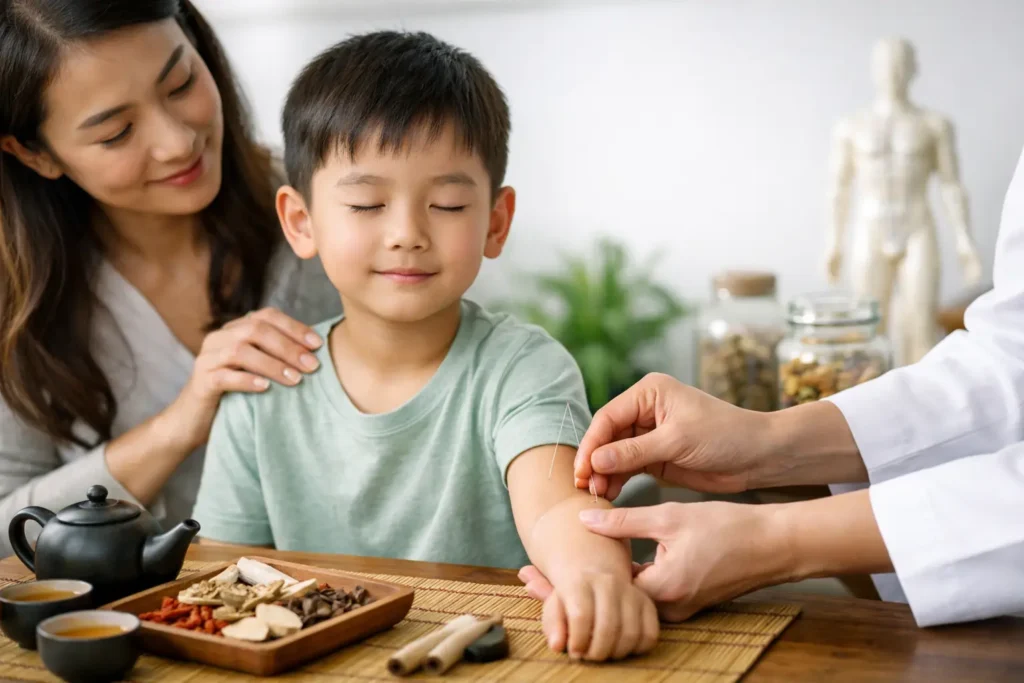
A child who wakes repeatedly with a stuffy nose, complains of recurring tummy discomfort, or seems unable to settle after a busy school week may leave parents searching for gentle support. TCM for kids can be one option when it is provided thoughtfully, with treatment adapted to a child’s age, symptoms, comfort level, and medical needs.
Traditional Chinese Medicine is not about applying an adult treatment plan to a smaller body. Pediatric care requires a careful assessment, clear communication with parents, and an approach that respects how quickly children grow and change. At Y TCM Clinic, care begins with listening – to the child where possible, and to the parent or caregiver who knows their routines, symptoms, and concerns best.
What Does TCM for Kids Involve?
In Traditional Chinese Medicine, a licensed TCM physician considers the full pattern behind a child’s concern. This may include sleep, appetite, digestion, energy, bowel habits, sensitivity to weather, activity levels, and the timing or frequency of symptoms. The goal is not to label every concern as a TCM imbalance, but to understand the child as an individual before recommending care.
For children, treatment is often lighter and simpler than parents expect. Depending on the assessment, a physician may recommend gentle pediatric Tuina, age-appropriate herbal support, dietary and routine guidance, or carefully selected external therapies. Acupuncture may be considered for some older children, but it is never a default. A child’s comfort, ability to cooperate, and clinical needs guide the decision.
Parents should feel comfortable asking what is being recommended, why it may help, how long a session will take, and what their child may experience afterward. Good pediatric TCM care should feel measured, not overwhelming.
Common Reasons Parents Seek Pediatric TCM Care
Children can have occasional symptoms as they adjust to school schedules, changing weather, new foods, growth spurts, and active routines. Some parents seek TCM as complementary support for recurring concerns that have already been medically assessed, while others want practical guidance for building steadier daily habits.
Digestive Discomfort and Appetite Changes
Tummy discomfort, irregular bowel movements, bloating, picky eating, and changes in appetite are common reasons for a consultation. A TCM physician may ask about meal timing, food preferences, stools, fluid intake, and whether symptoms appear around school, travel, or particular foods.
Treatment may focus on gentle abdominal Tuina and home routines that support regular meals and rest. Herbal medicine, if appropriate, should be prescribed specifically for the child rather than chosen from a general over-the-counter product. Parents should always share any medications, supplements, allergies, and existing diagnoses before herbs are considered.
Sleep, Restlessness, and Busy Minds
A late bedtime, frequent waking, or difficulty settling can affect a child’s mood, concentration, and family routine. The causes can vary widely. Sometimes the issue is related to a changing schedule or screen use; sometimes it may occur alongside discomfort, congestion, anxiety, or other health concerns.
TCM care may include a gentle treatment plan alongside realistic sleep habits. That can mean looking at the hour before bed, evening food and drinks, physical activity, and how the child transitions from a stimulating day into rest. No treatment replaces a consistent routine, but personalized support can be useful when sleep concerns persist.
Seasonal Discomfort and Recurrent Congestion
Some children seem particularly affected by air conditioning, rainy weather, dust exposure, or seasonal changes. Recurrent runny noses, congestion, or cough should be assessed carefully, especially if symptoms are severe, long-lasting, or affect breathing and sleep.
A TCM consultation can explore the child’s broader pattern of symptoms and offer supportive care where appropriate. It should not delay conventional medical assessment for high fever, shortness of breath, wheezing, persistent coughing, dehydration, or signs that a child is becoming significantly unwell.
Muscle Tension and Active Childhood Aches
Sports, dance, long school days, heavy backpacks, and rapid growth can all contribute to temporary muscle tightness or aches. Gentle Tuina may help support comfort and recovery for some children, particularly when the technique is adjusted for smaller bodies and performed by an experienced therapist or physician.
However, persistent pain, limping, joint swelling, sudden severe pain, or an injury after a fall or collision needs prompt medical attention. TCM can complement recovery when appropriate, but should not be used to push through an injury that needs diagnosis.
Why a Child-Specific Assessment Matters
Children are not simply adults with shorter histories. Their symptoms can shift quickly, and they may not have the words to describe what they feel. A thorough assessment helps distinguish a mild, short-term concern from one that calls for medical evaluation or coordination with another healthcare professional.
A licensed TCM physician should ask about the child’s health history, current medications, allergies, developmental stage, and previous diagnoses. They should also explain when TCM may be suitable as supportive care and when a pediatrician should be involved first.
This is especially relevant for infants, children with chronic health conditions, and children taking prescription medication. Natural does not automatically mean appropriate. Chinese herbal medicine can be useful in the right situation, but dosage, formulation, quality, and possible interactions must be considered with care.
What a Gentle Pediatric Treatment Session Looks Like
For many families, the first concern is whether their child will tolerate treatment. A calm clinical setting and an unhurried pace can make a meaningful difference. The physician may first observe the child’s energy and comfort level, speak in simple language, and allow a parent to remain close throughout the session.
Pediatric Tuina is typically a hands-on technique using light, rhythmic movements on areas such as the arms, hands, back, abdomen, or legs. It is not intended to be forceful or painful. The duration is usually shorter than an adult session, and the plan may include simple techniques or routine adjustments that parents can continue at home.
Not every child is ready for every treatment. Some may benefit from touch-based therapy, while others may first need consultation, lifestyle guidance, and time to become familiar with the clinic. A respectful practitioner will not pressure a frightened or resistant child.
How Parents Can Prepare for a TCM Consultation
Bring a clear picture of what has been happening. It helps to note when symptoms began, what seems to trigger or relieve them, and whether they affect school, play, sleep, or meals. If your child has seen a doctor or specialist, bring relevant information about diagnoses, test results, medications, and supplements.
Try to schedule the visit at a time when your child is not overly hungry, exhausted, or rushing between activities. Comfortable clothing makes examination and gentle Tuina easier. Most importantly, describe the appointment in a reassuring, truthful way. Tell your child that the physician will talk with them, check how they are feeling, and explain anything before it happens.
When to Seek Medical Care First
TCM is complementary care, not emergency care. Parents should seek prompt medical assessment for breathing difficulty, chest pain, severe allergic reactions, seizures, fainting, significant dehydration, uncontrolled vomiting, high or persistent fever, sudden confusion, severe headache, unexplained weight loss, or serious injury.
For ongoing concerns, it is often helpful for TCM and conventional care to work alongside each other. Sharing information across providers supports safer decisions and helps keep the child’s wellbeing at the center of the plan.
A child does not need to be severely unwell to deserve attentive care. When recurring discomfort affects sleep, appetite, confidence, movement, or family life, a gentle, individualized consultation can offer parents clearer next steps and a more supported way forward.