For many people, menstrual cramps are more than a minor monthly inconvenience. They can interrupt work, sleep, exercise, and family time. The best natural remedies for menstrual cramps are often simple, but the most helpful approach depends on what your pain feels like, when it occurs, and whether it is part of a wider health concern.
Most period cramps are caused by uterine contractions triggered by prostaglandins, hormone-like substances involved in the menstrual cycle. A little discomfort may be expected, but severe, worsening, or newly changed pain deserves careful attention. Natural care can provide meaningful comfort for some people, especially when it is used consistently and alongside appropriate medical evaluation.
Start With Gentle Heat and Movement
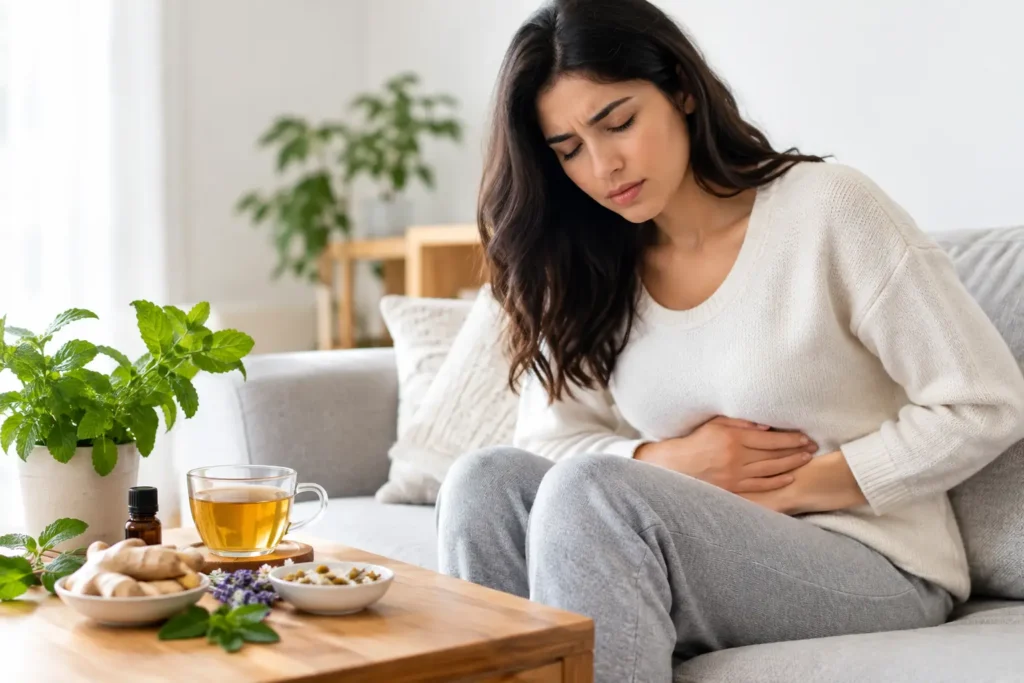
A heating pad, hot water bottle, or warm bath is one of the most practical first steps for cramping. Heat can relax tense muscles and improve local circulation, which may reduce the gripping, aching sensation in the lower abdomen and back. Use comfortable warmth rather than intense heat, and avoid falling asleep with an electric heating pad unless it has an automatic shutoff.
Gentle movement can also help, even when a full workout feels unrealistic. A short walk, light stretching, or restorative yoga may ease muscle tension and support circulation. Try slow pelvic tilts, a supported child’s pose, or lying on your back with your knees bent. The goal is not to push through significant pain. It is to give the body a calm, manageable opportunity to release tension.
For people whose cramps come with low-back tightness, a warm shower followed by gentle massage around the lower back and hips can be especially soothing. If movement makes pain sharper or brings on dizziness, pause and seek medical advice rather than trying to exercise through it.
Natural Remedies for Menstrual Cramps That May Help
Prioritize sleep, hydration, and regular meals
The days before and during a period can make ordinary stressors feel more intense. Poor sleep, skipped meals, dehydration, and high stress may not be the original cause of cramps, but they can lower your tolerance for pain and increase fatigue.
Aim for regular meals with protein, fiber, and nutrient-rich carbohydrates rather than relying only on coffee or sugary snacks when energy drops. Drinking water or warm non-caffeinated beverages throughout the day may feel more comfortable if you are bloated. Some people find that reducing alcohol and excess caffeine around their period lessens breast tenderness, sleep disruption, or digestive discomfort. This varies from person to person, so notice patterns rather than adopting overly restrictive rules.
Consider food-based magnesium support
Magnesium is involved in muscle and nerve function, and some people find that increasing magnesium-rich foods is useful during the menstrual cycle. Pumpkin seeds, almonds, beans, leafy greens, whole grains, and dark chocolate are practical options.
Magnesium supplements are sometimes used for cramps, but they are not right for everyone. They can cause diarrhea or stomach upset, and may interact with certain medications. People with kidney disease should be particularly cautious. A clinician or pharmacist can help determine whether a supplement is appropriate and what dose is safe.
Use relaxation as part of pain care
Cramping often creates a cycle: pain causes the body to tense, and tension makes pain feel harder to manage. Slow breathing, guided relaxation, or a few quiet minutes with a warm compress can interrupt that cycle. This is not about suggesting that period pain is “all in your head.” It is a practical way to support the nervous system while the body is uncomfortable.
Try breathing in gently for four counts and out for six counts for several minutes. A longer exhale may help settle the stress response. Some people also benefit from keeping their phone aside, dimming lights, and giving themselves a brief period of uninterrupted rest when cramps begin.
Choose herbal products carefully
Ginger has been studied for menstrual discomfort and may be helpful for some people, particularly when cramps are accompanied by nausea. Ginger tea or food-based ginger is generally a reasonable place to start for many adults. Concentrated supplements require more care, especially for anyone taking blood-thinning medication, managing gallbladder disease, or preparing for surgery.
Other herbs are commonly discussed for period symptoms, but “natural” does not automatically mean safe, effective, or suitable for every body. Herbal formulas can affect medications, pregnancy, chronic conditions, and digestion. This is particularly relevant when products are bought online without clear ingredient information. A qualified clinician should review recurrent symptoms before recommending a formula.
How Traditional Chinese Medicine Approaches Period Pain
Traditional Chinese Medicine views menstrual discomfort through individual patterns rather than treating every cramp in the same way. A licensed TCM physician may ask about the location and character of the pain, flow, clotting, cycle length, digestion, sleep, energy, emotional stress, and temperature preferences. These details help guide a personalized treatment plan.
Acupuncture is often sought for menstrual pain management. Fine, sterile needles are placed at selected points based on the individual’s presentation. Some patients describe feeling deeply relaxed during treatment, while others notice gradual changes over several cycles. Response differs from person to person, and treatment should not be presented as a guarantee or a replacement for needed medical care.
TCM herbal medicine may also be considered after a thorough assessment. Unlike a single over-the-counter remedy, a prescribed formula is selected according to the person’s symptom pattern and health history. For example, a person with cold sensitivity and dull, relieved-by-warmth pain may require a different approach from someone with pronounced irritability, bloating, and a distended feeling before menstruation.
Therapeutic Tuina massage and gentle meridian-based treatments may be useful adjuncts for people with muscle tension in the abdomen, hips, lower back, or legs. At Y TCM Clinic, care is centered on assessment by licensed TCM physicians and personalized treatment delivered with professional hygiene and clear explanations. The purpose is to support comfort and longer-term balance, not to offer a one-size-fits-all session.
When Cramps Need Medical Assessment
Natural measures are most appropriate for mild to moderate, familiar cramps. Do not assume severe pain is something you simply have to endure. Conditions such as endometriosis, fibroids, ovarian cysts, pelvic inflammatory disease, or adenomyosis can cause period pain and may need medical treatment.
Seek prompt medical care for sudden or severe pelvic pain, fainting, fever, vomiting that prevents hydration, unusually heavy bleeding, pain during sex, bleeding between periods, or a possible pregnancy. It is also wise to arrange an evaluation if pain is getting worse, begins after years of previously manageable periods, or regularly causes you to miss school, work, or daily activities.
If you use pain medication, take prescription medication, are trying to conceive, are pregnant, or have a chronic medical condition, discuss natural therapies and supplements with an appropriate healthcare professional. Coordinated care is safer than combining treatments without guidance.
Build a Plan Before Your Next Period
The most effective routine is usually the one you can repeat. Track when cramps start, where they occur, their severity, your flow, sleep, bowel changes, stress level, and what actually brings relief. After two or three cycles, this record can reveal whether heat works best early, whether certain foods affect bloating, or whether pain is changing in a way that needs assessment.
Prepare a small comfort routine before your period begins: a reliable heat source, simple nourishing meals, time for gentle movement, and a plan for rest. If cramps are recurrent, a consultation with a licensed practitioner can help you consider acupuncture, herbal medicine, or other options safely in the context of your full health history.
Period pain deserves practical care and respectful attention. Giving yourself permission to investigate it, rather than dismissing it every month, is often the most helpful first step.