A tight shoulder that keeps returning after long desk hours, calves that remain heavy after training, or a back that never quite loosens can make even a normal day feel restricted. For people considering cupping therapy Singapore, understanding what happens during treatment can make the decision feel much more comfortable. Cupping is not a one-size-fits-all wellness add-on. In a clinical TCM setting, it should begin with an assessment of your symptoms, health history, skin condition, and treatment goals.
What Is Cupping Therapy?
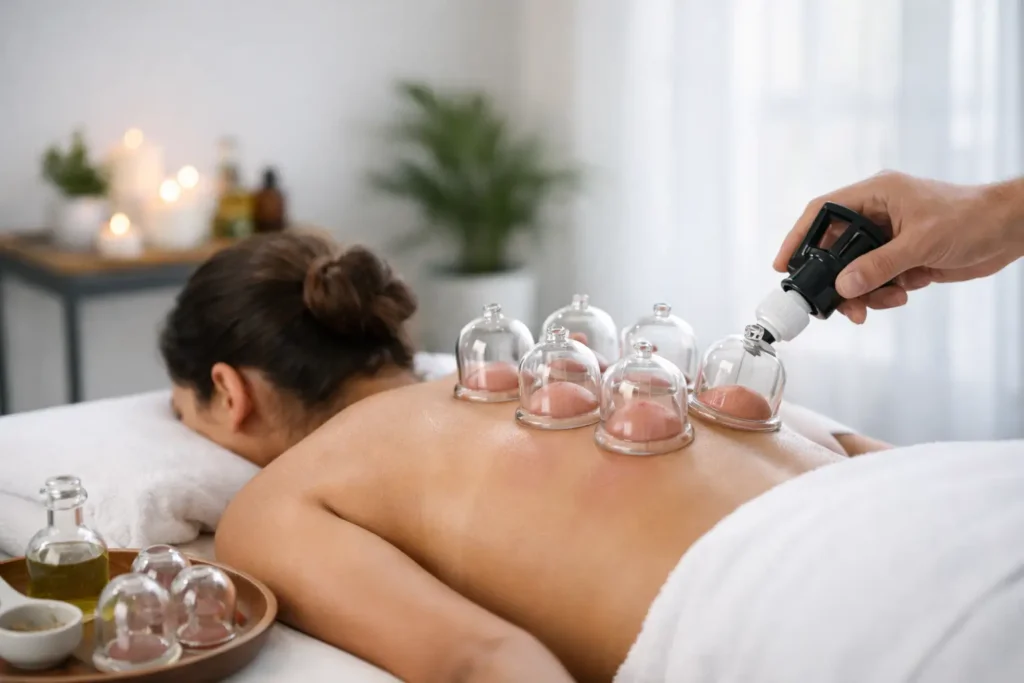
Cupping therapy is a Traditional Chinese Medicine treatment in which cups are placed on selected areas of the body to create gentle suction. Depending on the method used, the cups may be made of glass, plastic, silicone, or other clinical-grade materials. The suction lifts the skin and superficial tissues slightly, creating a pulling sensation that differs from the pressure of a massage.
In TCM practice, cupping may be used to support the flow of qi and blood through areas of tension or stagnation. In practical terms, many patients seek it for muscle tightness, post-exercise soreness, neck and shoulder discomfort, or a feeling of heaviness in the back and limbs. It is often incorporated alongside acupuncture, Tuina therapeutic massage, or other meridian-based treatments when clinically appropriate.
Cupping is not intended to replace medical assessment for serious or unexplained symptoms. Sudden weakness, chest pain, severe headaches, fever, significant swelling, or pain following a major injury should be assessed promptly by a medical doctor or emergency provider.
Why a Cupping Therapy Singapore Session Starts With Assessment
The same complaint can have very different causes. A runner with calf tightness may be dealing with training load, a previous injury, poor recovery, or a movement pattern that needs attention. A working professional with shoulder pain may have muscular tension, but may also need to consider posture, repetitive strain, sleep quality, and stress.
That is why a careful consultation matters. A licensed TCM physician considers where the discomfort is located, when it began, what aggravates or relieves it, and whether there are any signs that cupping may not be suitable. The treatment plan should be tailored to the person rather than based only on the area that feels painful.
At Y TCM Clinic, this personalized approach allows treatment to be adjusted across visits. Some patients may benefit from a short course focused on a recent flare-up, while others may use cupping as one component of longer-term support for recurring tension or injury recovery.
What Happens During the Treatment?
Your practitioner will first explain the proposed treatment area and what you are likely to feel. Cups are commonly placed on the upper back, shoulders, lower back, hips, or legs, but the best placement depends on your individual presentation. The skin should be clean and intact before treatment begins.
For stationary cupping, cups are left in place for several minutes. You may feel firm suction, warmth, and a gradual release in the surrounding muscles. The feeling should be tolerable. If the pull is too intense, pinching, or painful, let your practitioner know immediately so the suction can be adjusted.
Some sessions use moving cupping, where a practitioner glides a cup over lubricated skin. This can feel similar to a deep, broad massage stroke with suction. Moving cupping is sometimes used over larger muscle groups, but it is not appropriate for every body area or every skin type.
After the cups are removed, circular red, purple, or darker marks may remain. These marks are a common response to suction and usually fade over several days, though the timing varies with the individual and the intensity of treatment. They are not the same as a traumatic bruise, but they can look prominent. If you have an event, photo session, or occasion where visible marks would be inconvenient, mention it before your appointment.
Who May Consider Cupping?
Cupping may be considered by adults who are looking for hands-on TCM support for muscular discomfort, exercise-related tightness, or ongoing areas of tension. It can be particularly relevant when a patient prefers a treatment plan that combines manual therapy with a broader discussion of recovery habits, posture, movement, and general wellbeing.
Patients commonly ask about cupping for neck and shoulder tightness, lower-back discomfort, stiff hips, tired legs, and muscle soreness after activity. Some also find the relaxed feeling after a session helpful when stress is contributing to physical tension. Results vary, however, and a single treatment may not resolve a problem that has developed over months or years.
The most useful question is not simply, “Can cupping help?” It is, “Is cupping appropriate for what I am experiencing right now?” That distinction protects patients from treating every symptom in the same way.
When Cupping May Need to Be Avoided or Modified
Cupping is not suitable over open wounds, rashes, active skin infections, sunburn, or areas with fragile or damaged skin. It may also need to be avoided or modified for people with certain bleeding disorders, those taking blood-thinning medication, or individuals who bruise very easily.
Pregnancy, recent surgery, significant varicose veins, uncontrolled medical conditions, and a history of fainting should be discussed before treatment. Children, older adults, and people with complex medical histories require especially careful assessment. A professional practitioner should never treat concerns such as these as a minor detail.
Cupping, Massage, and Acupuncture: How They Differ
Cupping, Tuina, and acupuncture can all be part of a TCM care plan, but they work differently. Tuina uses skilled hands-on techniques to address tight muscles and soft tissue. Acupuncture uses very fine needles placed at selected points, with treatment choices guided by TCM assessment. Cupping uses suction to affect the surface tissues and may be selected when a patient presents with particular patterns of tightness or stagnation.
One approach is not automatically better than another. For localized muscular tension, a practitioner may recommend Tuina with or without cupping. For persistent discomfort accompanied by other concerns, such as disrupted sleep, fatigue, or digestive imbalance, acupuncture or Chinese herbal medicine may be considered as part of a wider plan. The right combination depends on your symptoms, preferences, tolerance, and response to care.
Practical Aftercare Following Cupping
Most people can return to normal daily activities after cupping, but it is sensible to give the body a little time to settle. Stay hydrated, choose a lighter workout if the treated area feels tender, and avoid exposing the area to extreme heat or cold immediately afterward. Keep the skin clean and avoid aggressive rubbing over the marks.
Pay attention to how you feel over the next day or two. Mild tenderness can occur, particularly after a stronger treatment or when muscles were already very tight. Contact your practitioner if you experience unexpected symptoms, worsening pain, blistering, or a skin reaction.
Cupping marks should be treated with patience, not covered up with more intensive treatment. Scheduling should take into account your skin response, activity level, and the goals of your care plan.
Choosing a Clinical Provider for Cupping Therapy in Singapore
Cupping may look simple, but safe treatment requires more than placing cups where it hurts. Look for a provider who explains the purpose of treatment, screens for contraindications, maintains clear hygiene standards, and gives you space to ask questions. You should feel comfortable discussing your health history, concerns about marks, and treatment preferences.
A licensed TCM physician or appropriately trained therapist can also advise when cupping is unlikely to be the best first option. That honesty is part of patient-centered care. Effective treatment is not about applying the same method to every complaint. It is about choosing an approach that respects your condition, comfort, and longer-term recovery.
Common Questions About Cupping Therapy Singapore
Does cupping hurt?
Cupping usually feels like a strong pulling or stretching sensation rather than sharp pain. It should not feel intolerable. Communicate during the session so the practitioner can adjust the suction or reposition the cups.
How long do cupping marks last?
Marks often fade within several days, although deeper-colored marks may take longer. Skin tone, circulation, treatment intensity, and individual healing patterns can all affect how long they remain visible.
How often should I have cupping?
Frequency depends on the reason for treatment and how your body responds. Someone managing an acute episode of tightness may have a different plan from someone seeking ongoing support for recurring discomfort. Your practitioner should review progress rather than assume frequent treatment is always necessary.
A well-planned cupping session should leave you better informed about your body, not simply treated for the day. When care is individualized, hygienic, and guided by a thorough assessment, cupping can be a considered part of supporting comfort, movement, and recovery.