Recovery—whether from injury, illness, surgery, or chronic stress—is a critical phase in maintaining long-term health. While modern medicine often focuses on treating symptoms and repairing structural damage, Traditional Chinese Medicine (TCM) takes a broader and more holistic approach. It aims not only to heal the affected area but also to restore balance within the entire body, ensuring a more complete and sustainable recovery.
In Singapore, TCM is widely embraced as a complementary therapy for recovery, especially among individuals seeking natural, non-invasive methods to heal faster and regain optimal function. But how exactly does Chinese Medicine help with recovery? Let’s explore this in depth.
The TCM Philosophy of Recovery
At the core of TCM is the belief that the body possesses an innate ability to heal itself. Recovery, in this context, is about restoring balance and harmony within the body.
Qi and Blood Flow
Two fundamental concepts in TCM are:
- Qi (energy) – the life force that powers all bodily functions
- Blood – which nourishes tissues and supports healing
For recovery to occur effectively:
- Qi must flow smoothly
- Blood must circulate properly
When there is stagnation (blockage), healing slows down. TCM treatments aim to remove these blockages and restore proper flow.
Key Mechanisms of Recovery in Chinese Medicine
1. Improving Circulation
One of the most important ways TCM supports recovery is by enhancing blood circulation.
Why Circulation Matters
Good circulation:
- Delivers oxygen and nutrients to injured tissues
- Removes metabolic waste
- Reduces swelling and inflammation
How TCM Helps
Techniques such as acupuncture, cupping, and massage stimulate blood flow to affected areas, accelerating the healing process.
2. Reducing Inflammation Naturally
Inflammation is a natural part of the healing process, but excessive inflammation can delay recovery.
TCM Approach
TCM uses:
- Herbal medicine
- Acupuncture
- External therapies
to regulate the body’s inflammatory response, helping to:
- Reduce swelling
- Alleviate pain
- Prevent further tissue damage
3. Relieving Pain Without Medication
Pain management is a key aspect of recovery.
How TCM Addresses Pain
- Stimulates the release of endorphins
- Improves nerve signaling
- Reduces muscle tension
This allows patients to recover comfortably without over-reliance on painkillers.
4. Supporting Tissue Repair and Regeneration
Recovery requires the body to repair damaged tissues.
TCM Contributions
- Enhances cellular activity
- Promotes collagen production
- Speeds up muscle and ligament healing
Herbal formulations are often prescribed to nourish the body internally and support regeneration.
5. Restoring Energy Levels
After illness or injury, many people experience fatigue.
Role of Qi
In TCM, fatigue is often linked to Qi deficiency.
How TCM Helps
- Strengthens energy levels
- Improves stamina
- Supports overall vitality
This is especially beneficial for individuals recovering from long-term illnesses or surgery.
6. Strengthening the Immune System
A strong immune system is essential for recovery.
TCM Benefits
- Enhances immune response
- Reduces susceptibility to infections
- Supports long-term health
Herbal medicine and acupuncture both play a role in boosting immunity.
7. Improving Mobility and Function
Injuries and surgeries often result in stiffness and reduced mobility.
TCM Techniques
- Acupuncture
- Tuina massage
- Stretching therapies
These help:
- Relax muscles
- Improve joint flexibility
- Restore normal movement
Key TCM Treatments for Recovery
Acupuncture
Acupuncture is one of the most widely used TCM treatments.
Benefits
- Reduces pain
- Improves circulation
- Promotes healing
It is commonly used for:
- Injury recovery
- Post-surgery rehabilitation
- Chronic pain conditions
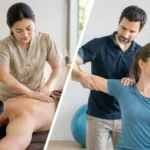
Tuina Massage
Tuina is a therapeutic massage that focuses on musculoskeletal health.
Benefits
- Relieves muscle tension
- Improves blood flow
- Enhances recovery speed
It is particularly effective for sports injuries and muscle stiffness.
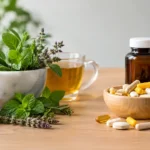
Herbal Medicine
Herbal remedies are tailored to each individual.
Forms of Herbal Treatment
- Teas
- Capsules
- Topical applications
Benefits
- Reduces inflammation
- Supports tissue repair
- Strengthens internal systems
Cupping Therapy
Cupping improves circulation through suction.
Benefits
- Reduces muscle tightness
- Relieves pain
- Speeds up recovery
It is often used for back pain and muscle fatigue.
Gua Sha
Gua Sha involves gentle scraping of the skin.
Benefits
- Breaks down stagnation
- Improves circulation
- Reduces inflammation
Types of Recovery TCM Can Support
1. Sports Injury Recovery
TCM helps athletes:
- Recover faster
- Reduce pain
- Prevent future injuries
2. Post-Surgery Recovery
After surgery, TCM can:
- Reduce swelling
- Improve healing
- Restore energy levels
3. Chronic Illness Recovery
For long-term conditions, TCM:
- Supports the immune system
- Improves overall health
- Enhances quality of life
4. Stress and Burnout Recovery
Mental and emotional recovery is equally important.
TCM helps:
- Reduce stress
- Improve sleep
- Restore emotional balance
Holistic Advantages of TCM in Recovery
Treats the Root Cause
Instead of only addressing symptoms, TCM identifies and treats underlying imbalances.
Personalised Treatment
Each treatment plan is tailored to the individual’s condition and body constitution.
Prevents Future Issues
By restoring balance, TCM reduces the likelihood of recurring problems.
Complements Modern Medicine
TCM works well alongside:
- Physiotherapy
- Medical treatments
- Rehabilitation programs
Recovery Timeline with TCM
Recovery with TCM varies depending on:
- Severity of condition
- Individual health
- Consistency of treatment
What to Expect
- Gradual improvement
- Long-lasting results
- Better overall well-being
Unlike quick fixes, TCM focuses on sustainable healing.
Safety and Considerations
TCM is generally safe when performed by qualified practitioners.
Important Points
- Choose licensed professionals
- Inform them of your medical history
- Follow prescribed treatment plans
For serious conditions, always combine TCM with proper medical care.
Why TCM is Popular for Recovery in Singapore
Singapore has a strong integration of Eastern and Western healthcare systems.
Reasons for Popularity
- Natural and holistic approach
- Proven effectiveness over centuries
- Growing acceptance in modern healthcare
Many individuals turn to TCM not only for recovery but also for maintaining long-term health.
Conclusion
Chinese Medicine offers a powerful and holistic approach to recovery. By focusing on restoring balance, improving circulation, reducing inflammation, and strengthening the body’s natural healing ability, TCM supports recovery in a way that goes beyond symptom management.
Whether you are recovering from an injury, surgery, or illness, TCM provides a comprehensive pathway to regain strength, restore function, and improve overall well-being.
Its integration with modern medicine makes it an excellent choice for those seeking a balanced and effective recovery strategy.
For professional Traditional Chinese Medicine treatments and recovery support in Singapore, visit:
https://ytcm.sg/