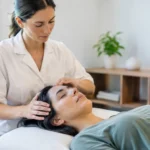

A good massage can make tense shoulders feel lighter and leave the body noticeably calmer. But how often should you get a full body massage before it becomes part of your regular wellness routine? The most useful answer is not a fixed weekly or monthly rule. It depends on why you are seeking treatment, how your body responds, your activity level, and whether there is an underlying injury or health concern.
For general relaxation, a full body massage every three to four weeks is a reasonable starting point for many adults. If you are managing recurring tightness, high work stress, or muscle fatigue from training, you may benefit from more frequent sessions for a period of time. When pain, numbness, swelling, or restricted movement is involved, the right schedule should follow a proper assessment rather than a standard spa-style routine.
How Often Should You Get a Full Body Massage for Your Needs?
Massage frequency should match the goal. A person who spends long hours at a desk has different needs from a runner recovering from a demanding race or a parent carrying a young child every day.
For preventive care and everyday tension, one session every two to four weeks can help many people stay more aware of areas that repeatedly tighten, such as the neck, shoulders, lower back, hips, and calves. This schedule gives the body time to respond while making regular self-care realistic alongside work and family commitments.
If stress is your main concern, a massage every two to four weeks may support relaxation and better body awareness. Some people prefer a short period of weekly sessions during an especially demanding time, then reduce the frequency once they feel more settled. Massage should complement, not replace, sleep, movement, nourishing meals, and support for persistent anxiety or low mood.
For active adults, timing often matters as much as frequency. A lighter treatment every one to two weeks may be appropriate during an intense training block, particularly if muscle stiffness is affecting mobility or recovery. Deep, forceful work immediately before an important competition is not always a good idea. Muscles can feel temporarily tender afterward, so treatment should be planned around the demands of your sport.
When discomfort is recurrent or linked to an injury, two sessions a week is not automatically better than one. In a clinical setting, a licensed TCM physician or experienced therapist may recommend an initial course of care based on your symptoms, examination findings, and response to treatment. The plan can then be adjusted as pain settles, range of motion improves, and you become better able to manage the issue between visits.
Full Body Relaxation Massage and TCM Tuina Are Not the Same
The phrase “full body massage” can describe many different treatments. A relaxation massage generally uses broad, soothing techniques to ease everyday muscular tension and promote calm. It may be a good choice when the priority is rest, general stiffness, or taking time to recover from a busy week.
TCM Tuina therapeutic massage has a different purpose. It uses targeted manual techniques along muscles, joints, and traditional meridian pathways, often following an assessment of the person’s discomfort, movement, and overall pattern of symptoms. It may focus on a smaller area, such as the neck and shoulders, lower back, or a sports-related strain, rather than treating the entire body in the same way.
This distinction affects frequency. If the treatment is gentle and intended mainly for relaxation, regular monthly visits may be sufficient. If care is directed at a specific musculoskeletal concern, sessions may be closer together at first, with the intensity and timing tailored to your recovery. More pressure is not always more effective. The appropriate approach is the one that supports progress without leaving you excessively sore or fatigued.
Signs Your Current Massage Schedule Is Working
A helpful massage plan should fit into daily life, not create a cycle of short-lived relief followed by worsening discomfort. After a session, mild tenderness can occur, especially if muscles were very tight or the treatment was more focused. It should usually be manageable and improve within a day or two.
Over several sessions, positive signs may include easier movement, less frequent tension headaches, better awareness of posture, reduced tightness after work or exercise, and fewer flare-ups of the same area. You may also notice that you need less intensive treatment over time. This is often a better sign of sustainable care than needing increasingly frequent, deeper sessions.
If relief lasts only a few hours, it does not necessarily mean you need massage every day. It may mean the contributing factors need attention. Prolonged screen use, an unsuitable workstation, repetitive lifting, weak supporting muscles, poor sleep, or a training load that rises too quickly can all keep tension returning. Your care plan may need to include stretching, strengthening, movement breaks, ergonomic changes, acupuncture, or other appropriate therapies.
When to Space Sessions Further Apart
Your body may be asking for more recovery time if you experience significant soreness beyond 48 hours, bruising, unusual fatigue, or an increase in symptoms after treatment. Tell your practitioner rather than assuming this is a necessary part of healing. Technique, pressure, treatment area, or timing can be modified.
It is also sensible to space out sessions when the original issue has improved and your goals have shifted toward maintenance. Many patients move from a short, focused course of treatment to monthly or occasional appointments, returning sooner during periods of high stress, travel, heavier exercise, or the first signs of familiar tightness.
A regular appointment should not be viewed as an obligation. The best frequency is one that continues to feel beneficial, suits your budget and schedule, and is clinically appropriate for your body.
When Massage Should Be Delayed or Reviewed First
Massage is not suitable for every situation. Speak with a qualified healthcare professional before treatment if you have a new or unexplained symptom, a significant medical condition, or are unsure whether massage is appropriate. A thorough consultation matters, particularly when pain has not been assessed.
You should postpone massage and seek medical advice for fever or an active infection, a new injury with marked swelling or severe pain, an open wound or skin infection, sudden weakness or numbness, chest pain, shortness of breath, or unexplained calf swelling. These symptoms need medical evaluation, not manual treatment.
Extra care is also needed during pregnancy, while taking blood-thinning medication, after surgery, with osteoporosis, cancer, vascular conditions, or diabetes with reduced sensation or circulation concerns. Massage may still be possible in some circumstances, but the treatment and pressure should be adapted with appropriate medical guidance.
Make Each Session More Useful
The value of a full body massage is not limited to the time on the treatment table. Arrive ready to describe what has changed since your last session: where the discomfort is, what movements aggravate it, how long it has been present, and whether it affects sleep, work, or exercise. This helps the practitioner make informed adjustments rather than repeating the same treatment by habit.
Afterward, drink water if you are thirsty, keep activity gentle if the area feels tender, and pay attention to how your body responds over the next one to two days. Simple actions such as a brief walk, regular posture breaks, and the home advice provided by your practitioner can help carry the benefits into the rest of the week.
At Y TCM Clinic, treatment planning begins with listening to the person in front of us. Whether you are seeking relief from desk-related tension, support during sports recovery, or a calmer approach to regular wellbeing, a personalized assessment can help determine a massage frequency that feels safe, practical, and suited to your longer-term comfort.