A search for “tcm clinic singapore” can produce many options, from quick wellness appointments to established clinical practices. The difference matters most when discomfort is persistent, an injury is limiting your routine, or you are seeking support that respects both traditional principles and modern standards of care. A good clinic should leave you feeling heard, well informed, and clear about the next step – not rushed into a generic treatment.
Traditional Chinese Medicine, or TCM, is often sought for concerns such as muscle tension, recurring pain, fatigue, stress, digestive discomfort, women’s wellness needs, and recovery after sports or overuse injuries. Yet treatment is not simply a matter of choosing acupuncture, herbs, or massage from a menu. The right approach depends on your symptoms, health history, lifestyle, and treatment goals.
What to expect from a TCM clinic in Singapore
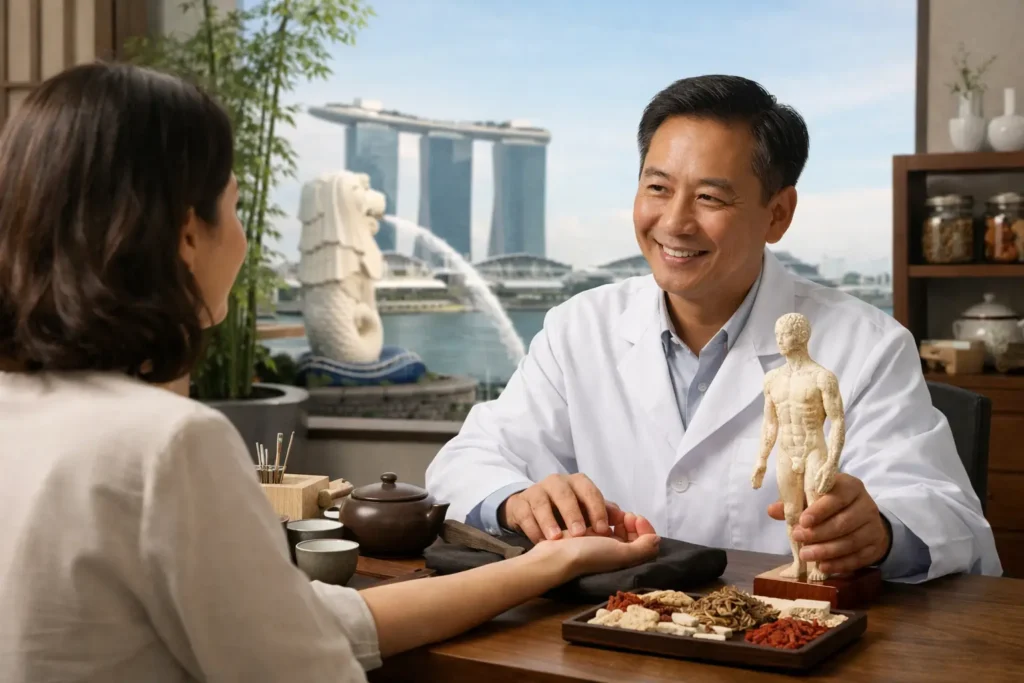
A professional TCM visit begins with a thorough assessment. Your physician may ask when symptoms began, what makes them better or worse, how they affect sleep or movement, and whether you have received other care. In TCM, observations such as pulse and tongue assessment may also form part of the consultation, alongside a careful discussion of your general health.
This process is not a formality. Shoulder stiffness after long desk hours may require a different plan from shoulder pain following a fall. Likewise, tiredness related to disrupted sleep calls for a different conversation from fatigue that has appeared suddenly or is accompanied by other concerning symptoms.
Look for a clinic where licensed TCM physicians explain their findings in accessible language. You should understand the recommended treatment, its intended role in your care, and what the first few sessions may involve. If a treatment is not suitable for your condition or comfort level, that should be discussed openly.
A treatment plan should be personal, not preset
Some patients benefit from acupuncture as part of a pain-management or recovery plan. Others may be more suited to TCM Tuina therapeutic massage, myofascial techniques, Bojin therapy, herbal medicine, or meridian-based adjuvant treatments. Often, care involves more than one method, but that does not mean every modality is necessary at every visit.
A personalized plan has room to change. Your physician should reassess how you are responding, whether your symptoms are improving, and whether the treatment focus should be adjusted. For a recent sports-related strain, early care may prioritize comfort and movement. As recovery progresses, attention may shift toward tissue mobility, muscular balance, and habits that help reduce recurring strain.
Questions worth asking before your appointment
Choosing a clinic does not require you to become an expert in TCM. It does mean knowing what professional care should look like. Ask whether the physician is licensed, how the clinic approaches hygiene and infection control, and whether your current medications or medical conditions should be considered before treatment.
For acupuncture, it is reasonable to ask what sensations to expect and how the practitioner will keep you comfortable. Acupuncture is commonly associated with a brief, mild sensation rather than significant pain, but each person’s experience differs. Let your practitioner know if you are anxious about needles, have a bleeding condition, are taking blood-thinning medication, or are pregnant.
If Chinese herbal medicine is recommended, share a complete list of medications, supplements, allergies, and relevant medical history. Herbs may not be appropriate in every situation, and a responsible physician will consider possible interactions and advise clearly. “Natural” should never be treated as a substitute for an individual safety assessment.
It is also helpful to ask how often you may need to attend. There is no honest one-size-fits-all answer. A recent issue may respond differently from a long-standing pattern of tension or pain. The goal is not to make promises about a fixed number of sessions, but to give you a sensible starting plan and review progress along the way.
Safety, hygiene, and clinical judgment
A calm setting is valuable, but clinical standards are essential. A reputable TCM clinic in Singapore should use appropriate hygiene practices, maintain a clean treatment environment, and use sterile single-use acupuncture needles where acupuncture is provided. Practitioners should also take time to identify circumstances in which treatment needs to be modified, delayed, or referred onward.
TCM can complement conventional medical care, but it is not a replacement for urgent evaluation. Seek prompt medical attention for symptoms such as sudden chest pain, difficulty breathing, weakness or numbness on one side of the body, severe unexplained pain, a high fever, or a serious injury. Similarly, unexplained weight loss, persistent bleeding, or rapidly worsening symptoms should be assessed by a medical doctor.
Good clinical judgment includes knowing when another perspective is needed. If you are already seeing a physician, physiotherapist, or specialist, tell your TCM practitioner. Coordinated care gives everyone a clearer picture of your health and helps keep treatment choices appropriate.
Choosing care for pain, recovery, and everyday strain
Many people first consider TCM when discomfort begins to interfere with ordinary life: a stiff neck after work, lower back tightness during commuting, knee discomfort after running, or headaches that seem connected to stress and poor sleep. These concerns deserve more than a brief, generalized session.
For musculoskeletal concerns, an assessment should consider movement patterns, muscle tension, areas of tenderness, activity level, and the history of the problem. Therapeutic Tuina and myofascial recovery approaches may be used to address soft-tissue tension and support mobility, while acupuncture may be considered as part of a broader treatment plan. Your practitioner may also suggest practical adjustments between sessions, such as pacing activity, improving workstation habits, or modifying an exercise routine during recovery.
The best outcome is not simply a temporary sense of relief after treatment. It is a clearer understanding of what may be contributing to the problem and a plan that supports more comfortable movement over time. That may involve regular care for a period, or it may mean a short course of treatment followed by self-care and review as needed.
TCM care for families and long-term wellbeing
TCM is not limited to pain concerns. Some patients seek support for internal balance, stress-related tension, digestive comfort, women’s wellness, or children’s everyday wellbeing. These areas require the same careful approach: listen first, assess thoughtfully, and avoid broad claims or assumptions.
For women’s wellness, treatment planning should take account of menstrual patterns, pregnancy status, postpartum recovery, medications, and any diagnosed conditions. For pediatric care, parents should expect an age-appropriate consultation and clear guidance on what is recommended and why. Children are not simply smaller adults, and their care should reflect that.
At Y TCM Clinic, care is centered on licensed TCM physicians, experienced therapists, and individualized plans in a calm clinical environment. The aim is to support both present comfort and longer-term body balance, while keeping patients informed throughout their care.
A good first visit creates confidence
You do not need to arrive with perfect knowledge of TCM or a fixed idea of treatment. Bring your questions, share your health information honestly, and describe what you would most like to improve – whether that is moving without discomfort, returning to an activity, sleeping better, or feeling less burdened by recurring tension.
The right clinic will meet that conversation with attention rather than pressure. When care is grounded in proper assessment, licensed expertise, hygiene, and realistic guidance, TCM can become a thoughtful part of your ongoing wellbeing routine.