
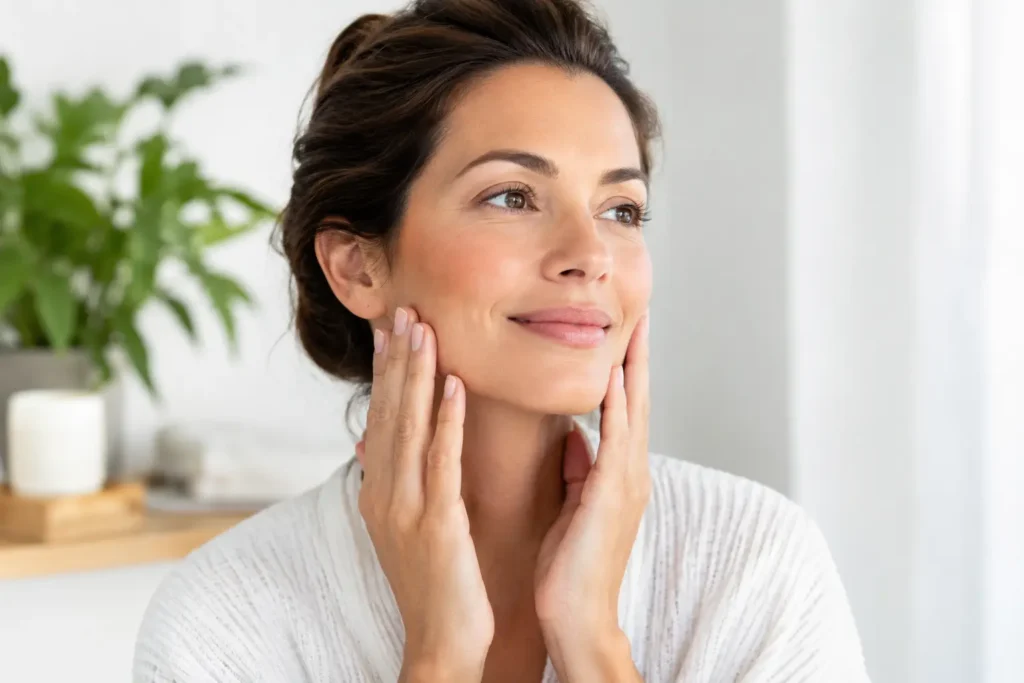
A natural facial rejuvenation guide should begin with a realistic goal: supporting healthier-looking skin and more relaxed facial expression without promising to erase time. Facial concerns rarely come from one cause alone. Stress, sleep disruption, muscle tension, sun exposure, nutrition, hydration, hormonal changes, and the natural loss of collagen can all influence how the face looks and feels.
For many people, natural aesthetic care is appealing because it takes a gentler, whole-person approach. Traditional Chinese Medicine, or TCM, may be used to support circulation, ease areas of tension, and encourage a sense of balance that can be reflected in the complexion. The right approach is always individualized, particularly when skin sensitivity, medical conditions, medications, or recent cosmetic procedures are involved.
What Natural Facial Rejuvenation Can Realistically Support
Natural facial rejuvenation is not a substitute for medical dermatology, surgery, or injectables. It does not produce an overnight lift, remove deep structural changes, or treat every skin condition. However, a carefully planned course of care may help some people feel that their face looks less drawn, less puffy, or more rested over time.
In a TCM setting, facial appearance is considered alongside the person’s overall wellbeing. A dull complexion may be discussed together with fatigue, poor sleep, digestive discomfort, stress, or recurring muscle tightness. This does not mean every facial concern has a single internal explanation. It means a licensed TCM physician looks beyond the surface before recommending care.
Common goals may include supporting a healthier-looking complexion, softening the appearance of tension around the forehead and jaw, improving the feeling of facial tightness, and creating a more rested appearance. Results differ from person to person, and consistent care usually matters more than any single session.
Start With a Thorough Assessment
The safest natural aesthetic plan begins with a conversation, not a standardized treatment menu. A licensed TCM physician should ask about your main concerns, skin history, sleep, stress level, diet, medications, allergies, and any recent treatments such as fillers, botulinum toxin injections, lasers, chemical peels, or surgery.
This assessment helps determine whether facial acupuncture, therapeutic massage, herbal support, or a combination of approaches is appropriate. It also identifies situations where treatment should be postponed or modified. Active skin infections, open wounds, a severe acne flare, unexplained facial swelling, bleeding disorders, and certain medical conditions require particular care. Anyone who is pregnant, taking blood-thinning medication, or undergoing medical treatment should disclose this before starting acupuncture or herbal medicine.
A responsible practitioner will explain what the treatment involves, what sensations are normal, and what outcomes are reasonable. You should never feel pressured to accept a package before your needs and suitability have been assessed.
TCM Approaches Used in Facial Care
Facial Acupuncture
Facial acupuncture involves the careful placement of very fine, single-use needles at selected points on the face and body. In TCM practice, these points are chosen according to an individual assessment rather than a fixed facial map. Some patients seek facial acupuncture to support circulation and relaxation, while body points may also be selected to address patterns related to stress, sleep, or general wellbeing.
Treatment should be performed by a licensed practitioner in a clean clinical environment. Mild temporary redness, small bruises, tenderness, or lightheadedness can occur. These effects are usually short-lived, but they should be discussed beforehand. Facial acupuncture may not be suitable immediately after certain cosmetic procedures, so timing matters.
Tuina, Gentle Facial Massage, and Bojin-Informed Care
Facial and neck tension can affect expression and comfort. People who clench their jaw, spend long hours at a screen, or carry stress through the shoulders may notice heaviness around the temples, brow, cheeks, or jawline. TCM Tuina therapeutic massage and gentle soft-tissue techniques may be used to address surrounding areas such as the scalp, neck, shoulders, and jaw.
Bojin therapy may also be considered where appropriate. This technique uses a smooth tool with controlled pressure along soft tissue and meridian pathways. It should never be aggressive or leave you feeling bruised and distressed. For facial care, the intensity and technique should be adapted to your skin condition and comfort level.
Herbal Medicine and Internal Balance
Chinese herbal medicine is sometimes recommended when a licensed TCM physician believes internal symptoms may be relevant to a patient’s overall wellbeing. Herbal prescriptions are individualized and should not be treated as beauty supplements. They require attention to existing health conditions, prescription medications, pregnancy status, and possible interactions.
A thoughtful physician will explain the purpose of any formula and review how you respond over time. If your primary concern is persistent pigmentation, a changing mole, severe acne, rosacea, eczema, or sudden hair loss, medical evaluation may also be appropriate. Natural care works best when it respects clear medical boundaries.
The Daily Habits That Protect Your Results
Professional treatment is only one part of facial rejuvenation. Skin and facial tension respond to the routines repeated between appointments. A simple, sustainable plan is usually more useful than an elaborate routine that is difficult to maintain.
Four habits make the greatest difference for most people:
- Use daily broad-spectrum sun protection. Sun exposure is a major contributor to uneven tone, fine lines, and changes in skin texture.
- Prioritize sleep and stress recovery. A poor night’s sleep can make puffiness, dullness, and muscle tension more noticeable the next day.
- Keep skincare gentle and consistent. Avoid introducing several strong active ingredients at once, especially if your skin is reactive.
- Support the neck and jaw, not only the face. Screen posture, teeth grinding, and shoulder tension can contribute to a strained appearance.
Hydration and balanced meals also matter, although there is no single food or drink that can reverse facial aging. If you are considering supplements, herbs, or restrictive diets for your skin, discuss them with a qualified clinician first.
How Often Should You Schedule Treatment?
Frequency depends on your concerns, treatment type, skin sensitivity, budget, and response to care. Some patients begin with a short, structured series of sessions, then move to occasional maintenance visits. Others prefer to address facial tension or stress-related discomfort only when symptoms return.
A good plan should be reviewed, not automatically renewed. If there is no meaningful benefit after an agreed trial period, your practitioner should reassess the approach. Changes in facial appearance are gradual, and photographs taken in similar lighting can be more useful than judging results from day to day.
Choosing a Safe Provider
Natural does not automatically mean risk-free. Facial treatments involve delicate skin, visible blood vessels, nerves, and personal health history. Choose a provider who is properly licensed, uses appropriate hygiene practices, obtains informed consent, and can explain why a specific treatment is recommended.
At Y TCM Clinic, care begins with a thorough assessment by licensed TCM physicians and is tailored to each patient’s comfort, health history, and goals. This clinical approach is particularly valuable for people who want natural aesthetic support without guesswork or exaggerated promises.
Be cautious of providers who guarantee dramatic lifting, claim to replace medical care, recommend the same protocol for everyone, or minimize bruising and other possible side effects. Clear explanations are a sign of professional care, not a lack of confidence.
When to See a Medical Doctor First
A natural facial care plan should not delay evaluation of sudden or unexplained changes. Seek medical attention for one-sided facial weakness, new numbness, rapidly increasing swelling, severe headache with visual changes, a spreading rash, painful skin lesions, or a mole that changes in size, shape, or color.
For long-standing concerns such as acne, rosacea, melasma, or eczema, coordinated care can be sensible. A dermatologist can assess diagnosis and medical treatment options, while TCM care may be considered as supportive wellness care when appropriate.
The most satisfying facial rejuvenation plan is often the one that feels measured and sustainable. Begin with an honest assessment, choose qualified care, protect your skin daily, and give your body enough time to respond. A calmer, healthier-looking face is rarely created by a single dramatic intervention, but by attentive care that respects both appearance and wellbeing.