
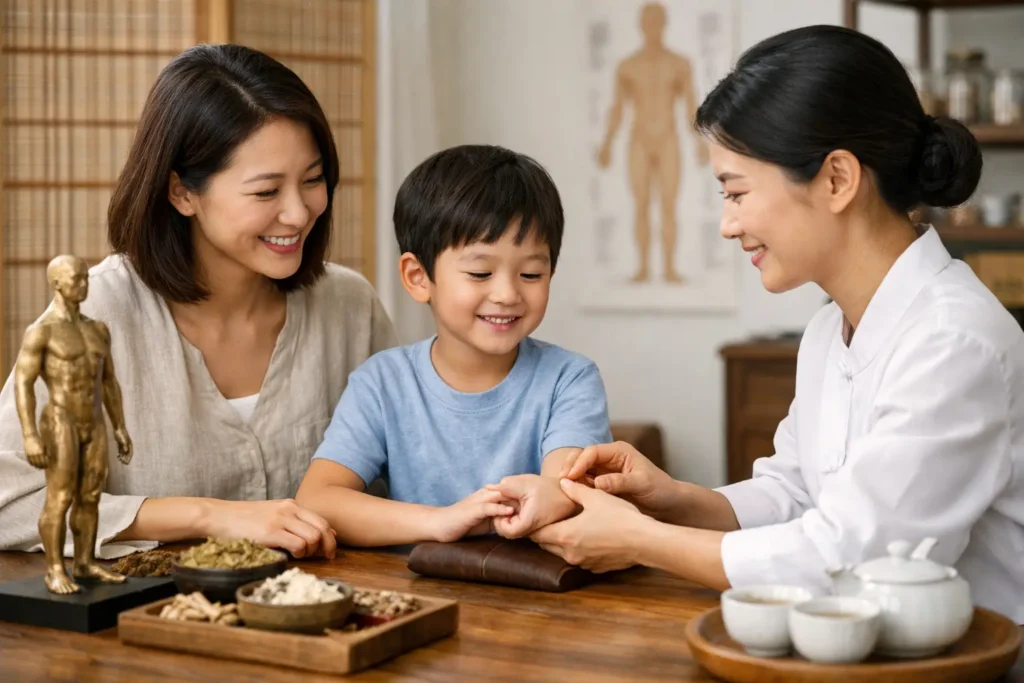
A child who wakes repeatedly with a stuffy nose, struggles with appetite, or complains of recurring tummy discomfort can leave parents searching for gentle, practical support. When looking for a pediatrics TCM clinic Singapore families can feel comfortable visiting, the most useful starting point is not a quick treatment promise. It is a careful consultation with a licensed TCM physician who takes the child’s age, symptoms, medical history, daily routine, and comfort seriously.
Traditional Chinese Medicine can be part of a thoughtful, individualized care plan for children. It should never replace urgent medical attention or delay a necessary pediatric assessment. Used appropriately, it offers a complementary approach focused on supporting comfort, recovery, and overall balance while respecting Singapore’s healthcare standards.
What Parents Should Look for in a Pediatric TCM Clinic Singapore
Children are not simply smaller adults. Their symptoms can change quickly, their bodies have different needs, and they may find unfamiliar settings or treatments intimidating. A suitable pediatric TCM clinic should therefore make time for both the child and the parent.
Look for licensed TCM physicians, clear explanations of the proposed approach, and a clean clinical environment with appropriate hygiene practices. The physician should ask about current symptoms, previous diagnoses, medications, allergies, sleep, eating habits, bowel movements, activity level, and relevant family history. For babies and younger children, parents’ observations are especially valuable.
It also matters how the clinic communicates. A responsible practitioner explains what TCM may be able to support, what it cannot diagnose or treat on its own, and when conventional medical care is needed. Parents should feel free to ask why a particular therapy is recommended, how long a session may take, and what changes to monitor at home.
A Thorough Assessment Comes Before Treatment
In TCM, a consultation considers patterns rather than looking at one symptom in isolation. For example, recurring digestive discomfort may be discussed alongside appetite, sleep, energy, food preferences, stress, and bowel habits. A child with frequent muscle tightness after sports may be assessed in the context of training load, posture, injury history, and recovery habits.
The assessment may include observation, questions for the parent and child, and age-appropriate examination methods. The physician then decides whether TCM care is appropriate and, if so, which approach is most suitable. Sometimes the best recommendation is to consult a medical doctor first, obtain further evaluation, or coordinate care around an existing diagnosis.
This measured approach helps avoid one-size-fits-all treatment. It also gives parents a clearer understanding of the care plan, including the likely number of visits, home-care guidance, and signs that warrant reassessment.
Pediatric TCM Treatments May Be Gentle and Adaptable
A child’s treatment plan should be shaped by their age, health status, sensitivity, and willingness to participate. Not every child needs the same therapy, and not every TCM modality is appropriate for every concern.
Chinese Herbal Medicine
When prescribed by a licensed TCM physician, Chinese herbal medicine may be considered as part of individualized pediatric care. Dosage, form, and ingredients require particular care for children. Parents should always disclose all medications, supplements, known allergies, and medical conditions before herbal medicine is recommended.
Clear instructions matter. Ask how the herbs should be taken, what to do if a dose is missed, whether there are food considerations, and which reactions should prompt a call to the clinic or a medical professional. Do not use adult herbal formulas or leftover remedies for a child without professional guidance.
Pediatric Tuina and Gentle Manual Therapy
Pediatric Tuina uses gentle, targeted massage techniques that are adapted for children. Depending on the child’s needs, it may be used to support relaxation, ease temporary muscle tension, or complement care for general comfort. A session should not feel forceful or frightening. The practitioner should check in regularly, adjust pressure, and stop if the child is uncomfortable.
For active school-age children and teens, manual therapy may also be considered for muscle tightness or recovery needs after activity. This is especially relevant when discomfort is mild and has been properly assessed. Persistent pain, swelling, inability to bear weight, or pain after a significant injury needs medical evaluation rather than massage alone.
Acupuncture and Non-Needle Options
Some older children and teenagers may be comfortable with acupuncture, while younger children may benefit from non-needle approaches. Whether acupuncture is appropriate depends on the individual child, the reason for care, and the physician’s clinical judgment.
Parents should not assume that needles are necessary for TCM treatment. Gentle acupressure, Tuina, and other age-appropriate methods may be discussed instead. If acupuncture is proposed, the physician should explain the process beforehand and obtain the parent’s consent. A calm pace and the child’s comfort are essential.
Safety Is Part of Good Pediatric Care
Natural does not automatically mean risk-free. Children can have allergies, medication interactions, and health conditions that affect whether a treatment is suitable. For this reason, accurate information is one of the most helpful things a parent can bring to the first appointment.
Share recent medical findings, medications, supplements, prior treatments, and any changes in symptoms. If your child is already under the care of a pediatrician or specialist, tell the TCM physician. Complementary care works best when it is transparent, coordinated, and grounded in the child’s full health picture.
A responsible clinic will also be clear about red flags. High or persistent fever, breathing difficulty, dehydration, severe abdominal pain, repeated vomiting, unusual drowsiness, seizures, sudden weakness, serious injury, or rapidly worsening symptoms require prompt medical attention. TCM care should not be used to wait out these signs.
Helping Your Child Feel Comfortable at the Visit
A first appointment can feel unfamiliar, particularly for younger children. A simple explanation often helps: the physician will ask questions, check how they are feeling, and may use gentle touch to understand where they are uncomfortable. Avoid promising that a treatment will have no sensation at all. Instead, reassure your child that they can speak up at any time.
Bring any useful health information, along with water, a comfort item for younger children, and clothing that allows easy access to the area being assessed. Scheduling the appointment when your child is usually rested and fed can also make the experience easier.
Parents should expect to be involved. Your observations help the physician understand patterns that a child may not be able to describe, such as whether symptoms occur after certain foods, during school periods, after exercise, or at night.
When Ongoing Care May Be Considered
Some families seek TCM support for a single concern, while others prefer periodic care as part of a wider wellbeing routine. The right frequency depends on the child’s condition, response to care, and any recommendations from their medical providers. More visits are not automatically better. A good plan has a clear purpose and is reviewed as the child’s needs change.
At Y TCM Clinic, pediatric care begins with a thorough assessment and an age-appropriate discussion of available options. The aim is to help families make informed decisions in a calm clinical setting, without pressure or exaggerated claims.
If you are considering TCM for your child, choose a licensed practitioner who welcomes questions and treats your concerns with care. The most reassuring next step is often a consultation where your child can be assessed as an individual, and where you leave with a plan you understand.