
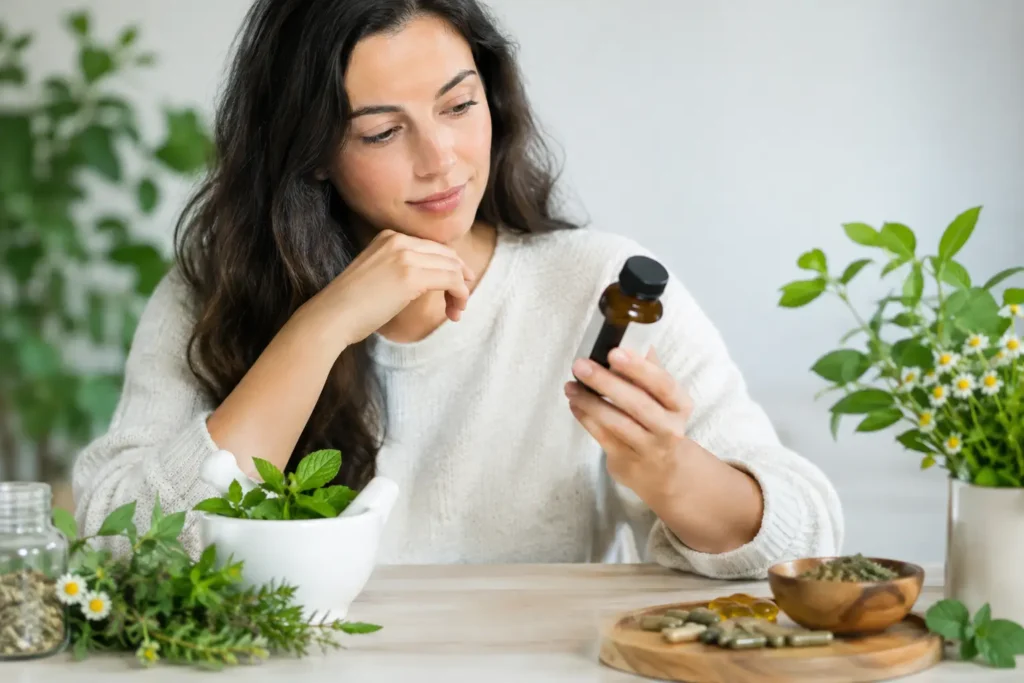
A bottle of herbs can look simple on a kitchen shelf. Yet the right formula, dose, preparation method, and timing can differ greatly between two people with the same concern. Herbal medicine safety begins with treating Chinese herbal medicine as clinical care, not as a one-size-fits-all supplement.
For many people, herbal medicine can be a meaningful part of a personalized Traditional Chinese Medicine treatment plan. It may be considered for concerns such as recurring digestive discomfort, fatigue, sleep disruption, menstrual symptoms, stress-related tension, or recovery support. But natural does not automatically mean suitable for everyone. A careful consultation helps make sure an herbal plan respects your symptoms, constitution, medical history, and current care.
Why Herbal Medicine Safety Requires an Assessment
In TCM, herbs are selected in combination rather than simply chosen for a single symptom. A licensed TCM physician considers the overall pattern behind the concern. Two patients may both report poor sleep, for example, but one may feel restless and warm while another feels depleted and cold. Their treatment approaches may be different.
A thorough assessment also identifies situations where herbs may need to be modified, delayed, or avoided. This includes pregnancy or breastfeeding, childhood, older age, known allergies, upcoming surgery, and ongoing medical conditions. The physician should also ask about prescription medicines, over-the-counter products, vitamins, and other supplements.
This discussion is not a formality. Some herbs and formulas may affect how medications are processed or may be inappropriate for people with particular health concerns. Sharing complete information allows the physician to choose a more suitable approach and, when needed, advise coordination with your primary medical provider.
What to Tell Your TCM Physician
Bring a current list of everything you take, including the name, dose, and how often you use it. This should include medications for blood pressure, diabetes, cholesterol, thyroid conditions, mood, sleep, pain, and blood thinning, as well as inhalers, topical medicines, and nutritional supplements.
It is also helpful to mention recent test results, surgeries, hospital visits, or changes in your health. If you are trying to conceive, are pregnant, nursing, or undergoing fertility treatment, say so before any herbs are prescribed. These details help guide safe decisions and may change the treatment plan.
Be equally open about your goals. Are you looking for support alongside medical care, or hoping to address a recurring discomfort that has not settled with rest and lifestyle changes? Clear expectations allow your physician to explain what herbal treatment may reasonably support, what requires medical evaluation, and how progress will be reviewed.
Do not self-prescribe based on one symptom
It is tempting to search for a herb associated with a familiar concern and order it online. The difficulty is that product descriptions rarely account for your full health picture. A formula that suits one person may worsen digestive upset, affect sleep, or simply be unsuitable for another.
Traditional formulas also rely on balance. Individual herbs can be combined to direct the formula’s action, support digestion, moderate intensity, or reduce unwanted effects. Removing or adding ingredients without guidance can alter that balance. For the same reason, do not double a dose because symptoms feel more intense, and do not combine multiple herbal products without professional advice.
Choosing Safe Herbal Products
Quality matters as much as formula selection. Herbal products should come from reputable sources with clear labeling and established quality controls. You should be able to identify what the product contains, how it should be used, and who supplied it.
At a clinical setting, a licensed TCM physician can explain whether you are receiving raw herbs for decoction, granules, powders, pills, or another prepared form. Each format has practical differences. Raw herbs may require careful preparation at home, while granules can be more convenient for busy schedules. The best choice depends on the formula, your needs, and your ability to follow the instructions consistently.
Avoid products that make dramatic promises, such as rapid cures, guaranteed weight loss, or the ability to replace prescribed treatment. Be cautious with unlabeled mixtures, products sold without ingredient information, or herbs recommended solely through social media. If the source, contents, or instructions are unclear, it is reasonable to pause and ask questions before taking them.
Follow preparation and storage instructions
A safe formula can become less effective or harder to tolerate if it is prepared incorrectly. Follow the instructions for water quantity, cooking time, timing, and frequency. If you miss a dose, do not automatically take extra later unless your physician has specifically advised it.
Store herbs away from heat, moisture, and children. Keep the original packaging when possible, especially if you are taking more than one product. This makes it easier to check ingredients and communicate accurately with your care team.
Watch for Changes After Starting Herbs
Herbal treatment should be monitored, particularly during the first days or weeks. Mild changes in digestion, appetite, sleep, or bowel movements can sometimes occur, depending on the formula and the person. However, you should not feel pressured to simply tolerate symptoms that concern you.
Contact your physician promptly if you develop a rash, swelling, breathing difficulty, severe stomach pain, persistent vomiting or diarrhea, unusual bleeding, dizziness, palpitations, or a marked worsening of symptoms. Seek urgent medical attention for severe allergic symptoms, chest pain, fainting, breathing problems, or signs of a serious reaction.
It is also wise to check in if a formula feels too strong, difficult to take, or inconsistent with your daily routine. Personalized care includes adjusting the plan. Sometimes a dose can be changed, the timing can be modified, or a different treatment approach may be more appropriate.
When Herbal Medicine May Not Be the First Step
Herbal medicine is not a substitute for urgent or emergency medical care. New or severe symptoms such as sudden weakness, severe headache, high fever, significant injury, unexplained weight loss, black stools, persistent chest discomfort, or shortness of breath should be assessed promptly by a medical doctor.
There are also times when the safest recommendation is to wait. A physician may defer herbs while clarifying a diagnosis, reviewing medication changes, or awaiting medical results. This is not a missed opportunity for treatment. It is a careful decision that protects your wellbeing.
For people managing chronic conditions, herbal medicine may sometimes be used as complementary care, but coordination matters. Continue prescribed medications unless the clinician who prescribed them advises otherwise. A responsible TCM plan works alongside appropriate medical care rather than asking patients to choose between them.
A Safer Way to Begin Chinese Herbal Medicine
Your first consultation should leave you with a clear understanding of why a formula is being considered, how to take it, what to watch for, and when to follow up. You should feel comfortable asking about expected benefits, possible side effects, duration of use, and whether any food, alcohol, supplements, or medications need special consideration.
At Y TCM Clinic, licensed TCM physicians take time to assess each patient before recommending Chinese herbal medicine. This individualized approach is particularly valuable for busy adults, parents, active individuals, and anyone balancing herbal care with ongoing medical treatment. The aim is not simply to provide herbs, but to create a treatment plan that is appropriate, understandable, and reviewed over time.
Herbal medicine can be a thoughtful part of long-term wellbeing when it is selected with care. Start with a proper consultation, bring honest information about your health and medications, and give yourself permission to ask every question you need. Feeling informed is part of feeling safe.