
A stiff shoulder that keeps returning, headaches after long workdays, a sports injury that has not settled, or persistent fatigue can make people look beyond a quick fix. A Chinese medicine clinic Singapore patients choose should offer more than a relaxing session. It should provide a careful consultation, licensed practitioners, professional hygiene, and a treatment plan that makes sense for your body and your goals.
Traditional Chinese Medicine, or TCM, takes a whole-person view of discomfort and wellbeing. It may consider pain patterns, sleep, digestion, stress, activity levels, and general constitution alongside the immediate concern. That does not mean every concern requires a complex treatment program. It means the physician has enough context to recommend care thoughtfully and explain why a particular approach may be suitable.
What a Chinese Medicine Clinic in Singapore Should Do First
The quality of the first consultation often shapes the rest of the care journey. Before treatment begins, a licensed TCM physician should take time to understand what you are experiencing, when it started, what worsens or relieves it, and whether you have sought other medical care. For musculoskeletal concerns, this may include observing movement, identifying areas of tension, and asking about exercise, work posture, or a recent incident.
A TCM assessment may also include traditional diagnostic methods such as observing the tongue and feeling the pulse. These are used as part of the practitioner’s overall clinical framework, not as a substitute for listening carefully to the patient. You should leave the consultation with a clear explanation of the recommended treatment, what it is intended to support, and what the next steps may look like.
Good care also includes knowing when TCM may not be the right first step. Sudden severe pain, significant weakness or numbness, chest pain, breathing difficulty, high fever, serious injury, or other urgent symptoms require prompt conventional medical assessment. A responsible clinic recognizes these boundaries and encourages appropriate referral when needed.
Treatment Should Match the Person, Not the Trend
TCM includes several treatment methods, but not every patient needs every method. A personalized plan may use one approach or combine therapies based on the assessment, comfort level, and response over time.
Acupuncture for pain, tension, and recovery support
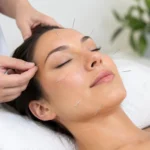
Acupuncture involves the use of fine, sterile single-use needles at selected points on the body. Patients may seek it for muscle tension, recurring discomfort, recovery support after activity, stress-related tightness, or general wellbeing. Sensations vary. Some people feel a brief pinch on insertion, followed by warmth, heaviness, tingling, or deep relaxation. Others feel very little.
The right expectation is not that one session will resolve every long-standing issue. Acute concerns may improve more quickly than chronic patterns, while persistent pain or tension often benefits from a series of treatments combined with practical changes to movement, rest, or training habits.
Chinese herbal medicine with proper guidance
Chinese herbal medicine is traditionally prescribed according to an individual pattern rather than a single symptom alone. Two people with poor sleep or digestive discomfort, for example, may receive different recommendations after assessment. This is why professionally prescribed herbal medicine is preferable to choosing products based only on online descriptions or a friend’s experience.
Tell the physician about all medications, supplements, allergies, pregnancy plans, and existing health conditions. This information helps the practitioner consider safety and determine whether herbal treatment is appropriate. Follow dosage instructions closely, and raise any unexpected reactions promptly.
Tuina, Bojin, and hands-on therapeutic care
TCM Tuina is a therapeutic form of manual treatment that may be used to address muscle tightness, restricted movement, and soft-tissue discomfort. It is different from a general spa massage because the pressure, technique, and focus should be guided by clinical assessment.
Bojin therapy and meridian-based adjuvant treatments may also be recommended for selected patients. These hands-on approaches can feel more intense than a relaxation massage, particularly around areas of longstanding tightness. A good therapist will check your comfort, adapt pressure where needed, and explain what you may feel during and after the session.
For sports-related strains, overuse patterns, and myofascial discomfort, treatment may focus on supporting recovery while helping the patient understand contributing habits. That might include training load, workstation posture, inadequate recovery time, or recurring movement patterns. Hands-on treatment can be valuable, but it works best when paired with realistic self-care guidance.
Safety and Hygiene Are Part of the Treatment
Patients should not have to guess whether a clinic takes clinical standards seriously. Look for licensed TCM physicians, clean treatment rooms, clear communication, and proper handling of equipment. For acupuncture, sterile single-use needles are essential. For hands-on therapies, hygiene practices, draping, privacy, and informed consent matter just as much.
It is also reasonable to ask questions. You may want to know why a treatment is recommended, whether there are alternatives, how many sessions are commonly considered before review, and what temporary effects to expect. Mild soreness, relaxation, or temporary tenderness can occur after certain treatments, particularly manual therapies. However, pain that is severe, unusual, or worsening should be discussed with the clinic.
A professional practitioner welcomes these conversations. Clear explanations help patients make informed decisions and reduce the pressure to continue with a plan that does not feel appropriate.
How to Choose a Clinic for Ongoing Care
Convenience matters, especially if treatment is likely to involve follow-up visits. A nearby clinic can make it easier to maintain consistency, but location alone should not be the deciding factor. Consider whether the clinic provides a calm, private environment and whether appointments allow enough time for meaningful assessment rather than rushed treatment.
It is helpful to choose a clinic that can support different stages of care. A patient may initially seek help for neck tension, then return later for a running-related injury, women’s wellness support, or general maintenance during a demanding period at work. Continuity allows the practitioner to understand your history, monitor progress, and adjust the plan instead of starting from zero each time.
At the same time, ongoing care should have a purpose. Your physician should periodically review how you are responding and whether the treatment approach needs to change. Some concerns need short-term support; others may require a longer, more gradual approach. The honest answer is often, “It depends,” because duration is influenced by how long symptoms have been present, daily demands, injury history, and the body’s response.
Questions First-Time TCM Patients Often Ask
Is acupuncture safe?
When performed by a licensed, properly trained practitioner using sterile single-use needles, acupuncture is generally considered a controlled clinical procedure. Your physician should review relevant health information before treatment and explain any precautions that apply to you.
Will TCM treatment hurt?
Comfort varies by treatment. Acupuncture may produce mild, brief sensations, while Tuina or Bojin can involve firmer pressure in tight areas. Tell your practitioner if anything feels too intense. Therapeutic care should be responsive, not something you simply endure.
Can I combine TCM with conventional care?
Many patients do, particularly when they are managing recovery, chronic tension, or wellbeing concerns. Be transparent about medications, diagnoses, and treatments from other providers so your TCM physician can make appropriate recommendations. TCM should complement appropriate medical care, not delay necessary diagnosis or emergency treatment.
The most reassuring clinic experience is one where you feel heard before treatment begins and supported after you leave. At Y TCM Clinic, that means personalized care from licensed practitioners, clear communication, and a considered plan that respects both your immediate comfort and your longer-term wellbeing.