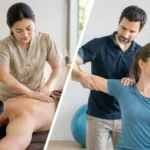
Pain is one of the most common reasons people seek healthcare. It may come from an obvious injury, develop gradually from repetitive strain, or appear without a clear cause. For some people, pain improves with rest and time. For others, it becomes persistent and begins affecting work, sleep, exercise, mobility and overall quality of life.
Traditional Chinese Medicine, or TCM, is one option that some people consider as part of a broader pain-management approach. Treatments may include acupuncture, tuina massage, cupping, herbal medicine and lifestyle recommendations, depending on the individual and the practitioner’s assessment.
TCM should not be viewed as a replacement for appropriate medical diagnosis, especially when pain is severe, sudden or associated with worrying symptoms. However, for certain musculoskeletal complaints and persistent pain conditions, some people use TCM alongside conventional healthcare as part of their overall management plan.
So, when should you consider going to TCM for pain management?
This guide explains situations where it may be reasonable to explore TCM, the types of pain commonly seen by TCM practitioners, what treatments may involve, and when conventional medical evaluation should come first.
1. When Your Pain Has Lasted for More Than a Few Days
Minor muscle soreness after exercise or physical activity often improves naturally within a few days. However, pain that persists may deserve further attention.
You may consider consulting a qualified healthcare professional if your discomfort continues for several days or repeatedly returns.
TCM practitioners commonly see people with persistent conditions such as:
- Neck discomfort
- Shoulder pain
- Lower back pain
- Knee discomfort
- Wrist pain
- Elbow pain
- Muscle tightness
- Joint stiffness
- Sports-related aches
- Repetitive-strain discomfort
In TCM theory, persistent pain may be associated with disrupted circulation of qi and blood through particular pathways of the body. Treatment is therefore often intended to improve circulation, relax tense tissues and address patterns identified during the consultation.
From a modern clinical perspective, therapies such as acupuncture may influence pain signalling, muscle tension and other physiological processes. Research on acupuncture is stronger for some pain conditions than others, so expectations should remain realistic.
2. When You Have Recurring Neck and Shoulder Pain
Neck and shoulder discomfort is especially common among people who work long hours at computers.
Typical contributing factors may include:
- Prolonged sitting
- Poor workstation ergonomics
- Frequent mobile phone use
- Limited physical activity
- Muscle tension
- Stress
- Weak postural muscles
A common example is what people sometimes describe as “tech neck” or “desk neck”, where extended periods of looking downward or sitting in the same position contribute to stiffness and discomfort around the neck, shoulders and upper back.
TCM practitioners may use acupuncture or tuina to address muscular tension and pain.
However, treatment should ideally be combined with practical changes such as adjusting screen height, taking movement breaks, strengthening relevant muscles and improving sitting posture.
If your neck pain is accompanied by weakness, numbness, severe headaches, balance problems or pain radiating significantly into the arm, medical evaluation should be considered before assuming that the problem is simply muscular tension.
3. When You Experience Persistent Lower Back Pain
Lower back pain affects people of almost every age group.
Possible causes range from relatively straightforward muscle strain to disc-related problems, joint degeneration, nerve irritation or other medical conditions.
Some people explore TCM when lower back discomfort persists despite rest or frequently returns.
TCM approaches may include:
Acupuncture
Fine needles are inserted at specific points selected according to the practitioner’s assessment.
Acupuncture is one of the most researched TCM therapies for pain and may provide symptom relief for some people with chronic lower back pain.
Tuina
Tuina is a form of traditional Chinese manual therapy involving techniques such as pressing, kneading, rolling and stretching.
It is commonly used for musculoskeletal discomfort and stiffness.
Cupping
Cups create suction against the skin, typically over muscular areas such as the back or shoulders.
People commonly seek cupping for feelings of muscular tightness, although temporary circular marks are expected after treatment.
Herbal Medicine
Some TCM practitioners may prescribe herbal formulations based on an individual’s presentation.
Herbal treatments should be used carefully because herbs can interact with medications and may not be suitable during pregnancy or for people with certain medical conditions.
4. When Pain Is Affecting Your Daily Activities
Pain becomes more significant when it begins interfering with normal life.
For example, you may find that you:
- Avoid stairs because of knee discomfort
- Struggle to sit through a full working day
- Wake up because of back pain
- Cannot exercise comfortably
- Have difficulty lifting your arm
- Avoid carrying groceries
- Stop participating in sports
- Need frequent pain medication just to function
These situations deserve proper assessment.
TCM may be one component of a pain-management programme, depending on the cause of the symptoms.
The important point is not simply to suppress pain indefinitely. Ideally, you should understand why the problem keeps occurring.
In some cases, appropriate management may involve a combination of physiotherapy, medical assessment, exercise modification, strength training and complementary approaches such as acupuncture.
5. When You Have Muscle Tightness From Exercise or Sports
People who participate regularly in sports may experience muscle tightness and overuse discomfort.
Common examples include people involved in:
- Running
- Cycling
- Tennis
- Badminton
- Pickleball
- Padel
- Football
- Gym training
- Martial arts
TCM treatment is sometimes sought for post-exercise muscular soreness, tightness and certain uncomplicated sports-related complaints.
Tuina, acupuncture and cupping are commonly used.
However, sports injuries should not automatically be treated as simple muscle tension.
If you experience significant swelling, instability, inability to bear weight, severe pain or sudden loss of strength, proper medical or sports injury assessment is advisable.
A torn ligament, fracture or significant tendon injury requires a different management approach from ordinary muscular soreness.
6. When You Have Chronic Pain
Chronic pain is generally pain that persists beyond the expected healing period, often for three months or longer.
Examples may include chronic:
- Back pain
- Neck pain
- Osteoarthritis-related discomfort
- Shoulder pain
- Headache disorders
- Musculoskeletal pain
Living with chronic pain can affect sleep, mood, movement and productivity.
Because chronic pain often has multiple contributing factors, management may involve several approaches rather than one single treatment.
Some people include acupuncture within their broader chronic pain programme.
A sensible approach may combine:
- Medical evaluation
- Appropriate medication when required
- Physiotherapy
- Exercise
- Sleep management
- Weight management where relevant
- Ergonomic changes
- Psychological support when chronic pain affects mental wellbeing
- Complementary treatments such as acupuncture
The goal should be improved function and quality of life rather than expecting any single treatment to eliminate every symptom immediately.
7. When Pain Keeps Returning Even After Massage
Many people seek regular massage because it temporarily makes tight muscles feel better.
However, if the same discomfort repeatedly returns, there may be underlying contributing factors.
For example, repeated shoulder tightness may relate to:
- Poor desk ergonomics
- Limited upper-back mobility
- Stress
- Muscle weakness
- Lack of movement
- Repetitive work
TCM practitioners may evaluate the broader pattern instead of concentrating only on the painful spot.
Acupuncture or tuina may provide temporary relief for certain people, but long-term improvement often requires addressing the factors contributing to the condition.
If pain continues despite repeated treatment, a medical or physiotherapy assessment may help determine whether another issue is involved.
8. When You Have Knee Pain From Age or Overuse
Knee discomfort is another common reason people seek acupuncture and other forms of TCM.
Potential causes include:
- Osteoarthritis
- Overuse
- Muscle weakness
- Previous injuries
- Tendon irritation
- Excessive running or jumping
- Joint degeneration
Acupuncture has been studied for knee osteoarthritis, and some clinical guidelines recognise that it may offer pain relief for certain individuals, although recommendations vary.
TCM treatment may therefore be considered as one component of management.
However, strengthening the muscles supporting the knee, maintaining appropriate body weight and adjusting physical activity may be equally important.
If the knee is suddenly swollen, locked, unstable or severely painful following an injury, you should seek medical assessment.
9. When You Have Frozen Shoulder or Shoulder Stiffness
Frozen shoulder, medically known as adhesive capsulitis, causes progressive stiffness and reduced shoulder movement.
People with frozen shoulder often find simple tasks difficult, including:
- Reaching overhead
- Putting on clothing
- Washing their hair
- Reaching behind their back
- Sleeping on the affected shoulder
Some people explore acupuncture or tuina as part of their treatment.
However, frozen shoulder can take months to resolve, and rehabilitation exercises are typically important.
People with suspected frozen shoulder may therefore benefit from a coordinated approach involving a doctor or physiotherapist alongside complementary therapy if desired.
Shoulder pain following trauma or accompanied by sudden weakness should be evaluated to rule out significant injury.
10. When You Prefer a Non-Drug Approach for Certain Musculoskeletal Pain
Some people are interested in reducing reliance on pain medication for recurring muscular discomfort.
In appropriate situations, acupuncture may be considered as a non-drug complementary treatment.
This does not mean that medication is harmful or should automatically be avoided. Pain-relief medication can be appropriate and important.
Instead, some people prefer to combine several strategies rather than relying entirely on medication.
For example, someone with recurring neck discomfort might combine:
- Ergonomic changes
- Regular stretching
- Strength training
- Physiotherapy
- Acupuncture
- Occasional medication when needed
A multimodal approach can sometimes be more practical than searching for one single solution.
11. When Stress Appears to Make Your Pain Worse
Stress and physical pain can influence each other.
Stress may contribute to:
- Muscle tension
- Jaw clenching
- Headaches
- Shoulder tightness
- Poor sleep
- Increased sensitivity to pain
Likewise, persistent pain can make people more stressed.
Some patients find acupuncture or tuina relaxing in addition to addressing physical discomfort.
However, if stress, anxiety or poor sleep is significantly affecting your life, addressing those issues directly is also important rather than treating only the muscular symptoms.
12. When You Are Interested in Acupuncture for Pain Management
Acupuncture is probably the most internationally recognised component of TCM.
During treatment, very fine needles are inserted into selected points on the body.
People seek acupuncture for conditions including:
- Back pain
- Neck pain
- Shoulder discomfort
- Knee pain
- Headaches
- Muscle tension
- Certain chronic pain conditions
Some people feel improvement after several sessions, while others may experience little change.
There is no universal number of treatments that works for everyone.
Factors affecting response include:
- The underlying condition
- How long the pain has been present
- Severity
- General health
- Lifestyle
- Whether the underlying cause is being addressed
A responsible practitioner should reassess progress rather than encouraging indefinite treatment without measurable benefit.
What Happens During a TCM Pain Consultation?
A typical consultation may include questions about:
- Where the pain is located
- When it started
- What makes it better or worse
- Previous injuries
- Sleep
- Exercise habits
- Digestion
- Stress
- General health
- Medication use
TCM practitioners may also perform traditional assessments involving the tongue and pulse.
Treatment will depend on the practitioner’s findings.
For pain management, commonly used therapies include acupuncture, tuina and cupping.
How Quickly Does TCM Work for Pain?
There is no fixed timeline.
Some people report temporary improvement immediately after treatment, particularly when muscular tension is involved.
Others require several sessions before noticing meaningful changes.
Chronic conditions may take longer than recent uncomplicated muscular discomfort.
The more important question is whether measurable improvement is occurring.
You might track:
- Pain intensity
- Range of movement
- Sleep quality
- Ability to walk
- Ability to exercise
- Ability to work comfortably
- Frequency of pain episodes
If there is no improvement after a reasonable trial, the diagnosis and management plan should be reconsidered.
When Should You See a Doctor Instead?
TCM should not delay urgent medical treatment.
Seek prompt medical assessment if pain is associated with symptoms such as:
- Severe pain following major trauma
- Suspected fracture
- Sudden inability to move a limb
- New significant weakness
- Persistent numbness
- Loss of bladder or bowel control
- Chest pain
- Difficulty breathing
- Severe abdominal pain
- High fever
- Unexplained weight loss
- Severe nighttime pain without explanation
- Significant redness or swelling
- Pain associated with serious infection
- Sudden severe headache
- Loss of consciousness
You should also consider conventional medical assessment when pain persists without a clear explanation.
Pain is a symptom, and treatment should not repeatedly mask symptoms when the underlying cause has not been established.
Can You Use TCM Together With Physiotherapy?
In many situations, yes.
Some people combine acupuncture or tuina with physiotherapy.
The roles can be complementary.
For example, acupuncture may focus on symptom management, while physiotherapy may concentrate on:
- Strength
- Flexibility
- Movement patterns
- Rehabilitation
- Ergonomics
- Injury prevention
Communication between healthcare providers is useful, especially if you have a significant injury or chronic medical condition.
Can You Use TCM Together With Western Medicine?
TCM and conventional medical care do not necessarily need to be treated as opposing choices.
For many people, the practical question is whether a treatment is appropriate, safe and supported by reasonable evidence for the particular condition.
Someone with knee osteoarthritis, for example, might receive medical assessment and use exercise therapy while also choosing acupuncture for additional symptom management.
Always inform your healthcare providers about treatments, supplements or herbal medicines you are using.
This is particularly important with Chinese herbal medicine because some herbs may interact with prescription drugs.
Who Should Be More Cautious?
Certain individuals should seek professional advice before undergoing treatment.
These may include people who are:
- Pregnant
- Taking anticoagulant medication
- Living with serious medical conditions
- Immunocompromised
- Recovering from major surgery
- Experiencing unexplained neurological symptoms
- Using multiple prescription medications
Always tell your TCM practitioner about your medical history and current medication.
How to Choose a TCM Practitioner in Singapore
If you are seeking TCM treatment in Singapore, choose a practitioner who is appropriately registered and qualified.
The Traditional Chinese Medicine Practitioners Board regulates registered TCM physicians and acupuncturists in Singapore.
Before undergoing treatment, you may want to ask:
- What is the likely reason for my pain?
- What treatment are you recommending?
- How many sessions should I try before reassessment?
- What improvement should I expect?
- Are there any potential side effects?
- Should I see a doctor or physiotherapist?
- Are the herbs compatible with my medications?
A good practitioner should be comfortable advising you to seek medical assessment when your symptoms fall outside the appropriate scope of TCM care.
TCM Should Be Part of a Bigger Pain-Management Strategy
One of the biggest mistakes in pain management is focusing only on where the pain appears.
For example, recurring lower back pain may also involve:
- Weak core muscles
- Sedentary lifestyle
- Excessive sitting
- Poor lifting technique
- Inadequate sleep
- Repetitive strain
- Excess body weight
Similarly, recurring shoulder discomfort may relate to workstation ergonomics rather than simply having “tight muscles”.
TCM may help with symptom management for some people, but lifestyle and physical factors should also be addressed.
Long-term pain management often involves a combination of treatment and prevention.
When Should You Consider Going to TCM for Pain Management?
You may consider consulting a qualified TCM practitioner when you experience persistent or recurring musculoskeletal discomfort, especially when you are interested in complementary approaches such as acupuncture, tuina or cupping.
Common situations include:
- Recurring neck and shoulder tension
- Lower back discomfort
- Muscle tightness
- Knee pain
- Joint stiffness
- Sports-related muscular discomfort
- Chronic musculoskeletal pain
- Certain headache conditions
- Shoulder stiffness
- Repetitive-strain discomfort
TCM may also appeal to people looking for a non-drug complement to their existing pain-management programme.
However, the most important principle is proper diagnosis.
Persistent pain should not simply be ignored, and TCM treatment should never delay assessment of serious symptoms.
For many people, the most effective strategy may involve combining appropriate medical evaluation, exercise, physiotherapy, lifestyle adjustments and complementary treatments where suitable.
Final Thoughts
Pain management is rarely about one treatment alone.
TCM has a long history of treating musculoskeletal complaints, and therapies such as acupuncture, tuina and cupping continue to be used by many people in Singapore.
For certain conditions, particularly chronic musculoskeletal pain, acupuncture may provide symptom relief for some individuals. However, results vary, and treatment should be viewed realistically.
Consider seeing a TCM practitioner when pain is recurring, persistent or affecting daily activities and you want to explore complementary treatment options.
At the same time, seek conventional medical assessment when pain is severe, unexplained, associated with neurological symptoms or follows significant injury.
Ultimately, the goal should not simply be to make pain temporarily disappear. A good pain-management strategy should help you understand the underlying problem, improve function and reduce the likelihood of recurring symptoms.
Disclaimer: This article is for general informational purposes only and does not constitute medical advice. Persistent, severe or unexplained pain should be assessed by an appropriately qualified healthcare professional.