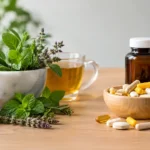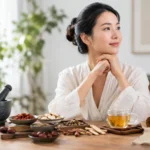

A bottle labeled “natural” can feel like a straightforward choice when you are tired, sore, stressed, or trying to support your digestion. Yet herbal remedies versus supplements is not a simple choice between traditional and modern care. The terms can overlap, but the way a product is selected, prepared, dosed, and monitored can differ substantially.
For patients considering Chinese herbal medicine or over-the-counter wellness products, the safest starting point is not a product recommendation. It is a careful look at your symptoms, health history, current medications, and goals. Natural products can be useful in the right context, but they still deserve the same thoughtful attention as any other part of your healthcare routine.
What Is the Difference Between Herbal Remedies and Supplements?
An herbal remedy is made from plant materials, such as roots, leaves, flowers, seeds, bark, or fungi. It may be prepared as a tea, powder, capsule, tincture, topical application, or a tailored formula. In Traditional Chinese Medicine, herbs are often combined rather than used alone. A licensed TCM physician selects the ingredients and proportions according to the patient’s overall presentation, which may include sleep, appetite, energy, pain pattern, digestion, stress level, and other observations.
A dietary supplement is a broader category. Supplements may contain vitamins, minerals, amino acids, probiotics, fish oils, fiber, or plant-based ingredients. Some supplements are herbal, which is why the two terms are often confused. A turmeric capsule, for example, may be marketed as both an herbal product and a dietary supplement.
The meaningful distinction is often not whether an item comes from a plant. It is whether it is a standardized, self-selected product intended for general support, or part of an individualized therapeutic plan. Both approaches may have a place, but neither should be assumed to suit every person or every concern.
Herbal Remedies Versus Supplements: Why Context Matters
Two people can have the same broad complaint, such as fatigue or poor sleep, for very different reasons. One may be recovering from a demanding work period and irregular meals. Another may have chronic pain that disrupts sleep, medication-related effects, or an underlying health condition that needs medical evaluation. Taking the same supplement because it worked for a friend may not address either person’s actual needs.
This is where clinical assessment matters. In TCM, a physician does not simply match one herb to one symptom. They consider patterns across the body and adjust treatment as the patient responds. A formula for digestive discomfort, for example, may be different depending on whether the person also experiences bloating, loose stools, poor appetite, stress-related tension, or a sensation of heat.
Over-the-counter supplements can be practical for some situations. A clinician may recommend a specific nutrient when there is a known dietary gap or a clear reason to use it. However, a supplement is not automatically safer because it is sold without a prescription. Dosage, formulation, product quality, and interactions still matter.
Preparation and Dose Can Change the Effect
The form of an ingredient affects how it is used. A whole herb brewed into a decoction is different from a concentrated extract in a capsule. An herbal tea may provide a gentler preparation than a highly concentrated powder, while a standardized supplement may offer more consistent amounts of a specific compound.
Neither format is universally better. A standardized product can be useful when a precise dose is needed. A customized herbal formula may be more appropriate when a licensed practitioner is addressing several related symptoms and adjusting ingredients over time.
Dose is equally important. More is not necessarily more effective, and increasing a dose independently can raise the risk of side effects. Concentrated products deserve particular caution. A person who drinks an occasional cup of ginger tea is not taking the same exposure as someone using a high-dose ginger extract alongside blood-thinning medication.
Quality Is Part of Safety
Product labels do not always tell the full story. Supplements and herbal products can vary in ingredient identity, concentration, purity, and storage conditions. Some products may contain less of an active ingredient than expected, while others may include undeclared ingredients or contaminants.
For Chinese herbal medicine, proper sourcing, preparation, and dispensing are central to responsible care. Herbs should be selected through reputable channels and prescribed by qualified practitioners who understand their intended use. This is especially relevant for patients who are trying herbal medicine for the first time and may not know which products are appropriate for their condition.
A trustworthy practitioner should be comfortable discussing what is being recommended, why it may be suitable, how it should be taken, and what changes or reactions should prompt a call. Clear explanations are a basic part of patient-centered care, not an extra.
When to Be Especially Careful
Herbs and supplements can interact with medications or affect certain medical conditions. This does not mean every natural product is unsafe. It means the decision should be individualized, particularly if you are managing a complex health concern.
Speak with a qualified healthcare professional before starting a new herb or supplement if you are pregnant, breastfeeding, preparing for surgery, living with liver or kidney disease, or receiving treatment for cancer. The same caution applies if you take blood thinners, diabetes medication, blood pressure medication, antidepressants, seizure medication, or multiple prescriptions.
Children and older adults also need more careful guidance. Their bodies may process ingredients differently, and dosage should never be based only on an adult product label. If symptoms are severe, sudden, worsening, or accompanied by fever, chest pain, shortness of breath, unexplained weight loss, weakness, or bleeding, seek prompt medical care rather than relying on self-treatment.
Choosing the Right Path for Your Needs
If your goal is general nutritional support and you have no relevant medical conditions or medication concerns, a simple, well-chosen supplement may be reasonable. Even then, avoid taking several products with overlapping ingredients. A multivitamin, fortified foods, and separate single-nutrient products can unintentionally add up to more than you realize.
If you have recurring discomfort, sleep disruption, digestive concerns, menstrual-related symptoms, muscle tension, or recovery needs that have not improved with general measures, a personalized consultation may be more useful than trying multiple products on your own. A licensed TCM physician can assess whether Chinese herbal medicine may fit into your care plan and whether acupuncture, Tuina, lifestyle adjustments, or referral for conventional medical assessment should also be considered.
At Y TCM Clinic, personalized care begins with understanding the person behind the symptom. This helps ensure that treatment decisions are not based solely on a label, an online trend, or a one-size-fits-all formula.
Questions Patients Commonly Ask
Are herbal remedies safer than supplements?
Not automatically. Both may carry risks depending on the ingredient, dose, product quality, your health conditions, and other medicines you take. A professionally prescribed herbal formula can be appropriate for some patients, while an over-the-counter supplement may be appropriate for others. Safety comes from the right choice and proper supervision.
Can I take Chinese herbs with my regular medication?
Sometimes, but do not assume they can be combined without review. Bring a complete list of prescriptions, over-the-counter medications, vitamins, and supplements to your consultation. This allows your healthcare providers to identify possible interactions and coordinate care appropriately.
How long should I take an herbal formula or supplement?
The answer depends on why you are taking it and how you respond. Some products are intended for short-term use, while others may be reviewed over a longer period. Regular reassessment helps prevent unnecessary use and allows the plan to change as your condition improves or your needs shift.
The most helpful choice is rarely the product with the boldest promise. It is the one that fits your health picture, is sourced and used responsibly, and is reviewed by a qualified professional who takes the time to listen.